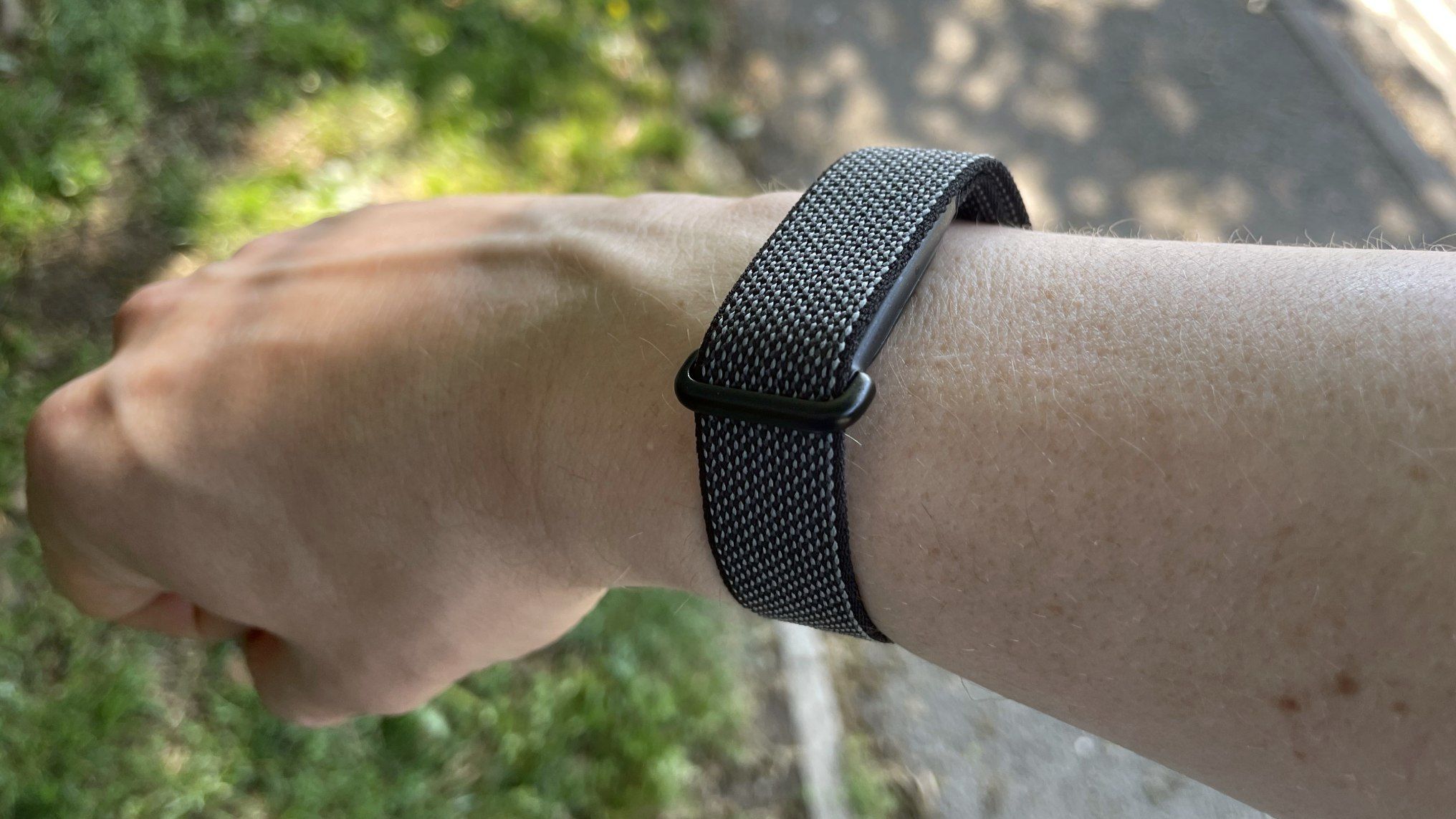
The wearable technology market is undergoing a significant shift as companies move away from bulky, screen-heavy devices toward more discreet, continuous health-tracking solutions. Google’s latest entry into this space, the Fitbit Air, has generated considerable buzz for its minimalist approach. As a technology editor who has spent nearly a decade analyzing the evolution of health sensors, I’ve seen many devices promise to revolutionize personal wellness. However, the Fitbit Air presents a unique case study in design philosophy: it attempts to bridge the gap between high-performance athletic trackers and everyday lifestyle accessories.
When evaluating the Fitbit Air, it is essential to look past the marketing claims of universal fit and focus on the technical reality. While the device aims to provide a “one size fits all” user experience, the reality of biometrics and hardware ergonomics often proves more complex. For users in the market for a sleek, screenless tracker, the device is clearly positioning itself as a direct contender to established players in the recovery-tracking category, most notably the Whoop strap. Whether it succeeds in this competitive landscape depends heavily on the accuracy of its sensor suite and the maturity of its accompanying software ecosystem.
According to the official Google Fitbit product documentation, the device relies on advanced optical heart rate monitoring and skin temperature sensors to provide actionable insights into recovery and sleep quality. These metrics are processed through algorithms that aim to distill complex physiological data into simple, user-friendly scores. For those interested in the broader impact of these technologies, the global wearable technology market is projected to reach significant valuations in the coming years, driven by a growing consumer demand for proactive health management, as highlighted in recent reports from industry analysts at Gartner.
Design Philosophy and the “One Size” Challenge
The core of the Fitbit Air’s design is its slim profile. By stripping away the display, Google has prioritized battery life and physical comfort—two factors that often dictate long-term adherence to wearable devices. However, the claim that such a device can be universally comfortable is a bold one. In my experience testing various form factors, fit is inherently personal. A band that feels secure on one user may cause irritation or sensor gaps on another, especially during intense physical activity when skin movement and sweat can interfere with optical sensor readings.
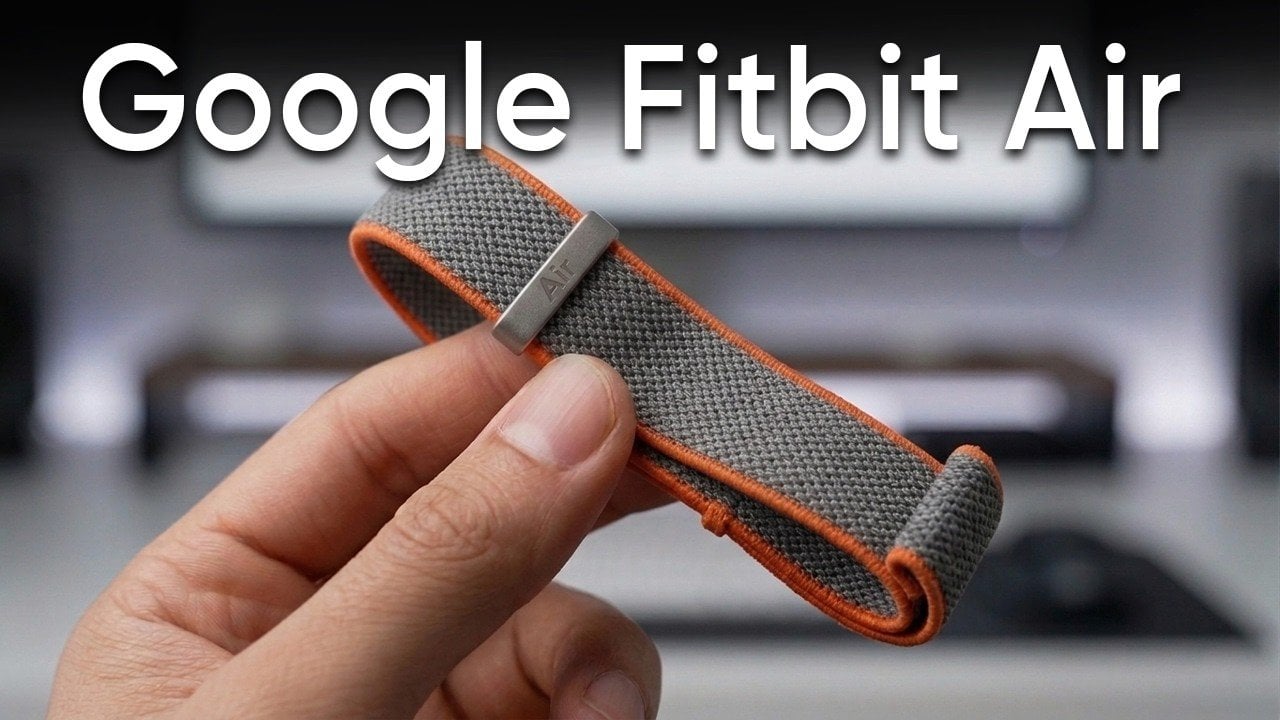
The reliance on a single-band design without an adjustable screen interface means that all data interaction must happen through the mobile application. This creates a reliance on the software, which must be both intuitive and robust. If the app fails to present data in a way that is immediately useful, the hardware becomes little more than a piece of silicone. Potential buyers should consider that while the hardware is minimalist, the data collection is extensive. Users should always review the Google/Fitbit privacy and data settings to understand how their biometric information is being processed, stored, and utilized for personalized insights.
Benchmarking Against the Competition
The comparison to Whoop is inevitable. Whoop has carved out a niche by focusing almost exclusively on “strain” and “recovery” rather than active notifications or step-counting goals. The Fitbit Air appears to be pivoting toward this same philosophy. By moving away from the “smartwatch” paradigm, Google is signaling that it wants a piece of the audience that is tired of constant wrist-based distractions but still wants deep-dive health analytics.
However, performance is where the rubber meets the road. In the world of fitness tracking, accuracy is non-negotiable. Whether the Fitbit Air can match the clinical-grade sensor sensitivity required by high-performance athletes remains a subject of ongoing community testing. While some early users report favorable outcomes, independent validation of these sensors against medical-grade ECG or chest-strap heart rate monitors is necessary to confirm their efficacy. As of the latest product updates, Google has not provided third-party, peer-reviewed clinical validation for the Air’s specific sensor array, though the company continues to refine its algorithms through regular firmware updates.
Key Considerations for Potential Users
Before investing in the Fitbit Air, You’ll see several factors that merit careful consideration. It is not merely a purchase of hardware; it is an entry into a specific data-driven ecosystem. If you are already invested in the Google/Fitbit health platform, the integration will likely be seamless. If you are coming from a different platform, the transition requires a commitment to a new data history.
- Sensor Accuracy: While suitable for general wellness and recovery tracking, users training for specific athletic events should ensure the device meets their baseline requirements for heart rate variability (HRV) and activity intensity.
- Subscription Dependency: Like many modern wearables, the full depth of insights provided by the Fitbit Air is often gated behind premium service tiers. Always check the current Fitbit Premium pricing and feature roadmap before committing.
- Ergonomics: Because fit is critical for optical sensors, ensure you are comfortable with a tight-fitting band. Those with specific skin sensitivities may find the material choice or the required tension of the band to be a point of friction.
What Happens Next?
The evolution of the Fitbit Air will likely be defined by software updates rather than hardware revisions. As Google continues to integrate its AI research—specifically the advancements seen in the Gemini model family—into its health apps, You can expect the “coaching” aspect of the Fitbit platform to become significantly more conversational and personalized. The next major milestone for the product line will be the integration of expanded sleep-tracking metrics, which the company has hinted at in recent developer briefings.
As we monitor these developments, we will continue to provide updates on how the Fitbit Air performs in real-world scenarios. The tech industry is currently in a phase of rapid iteration, and user feedback will be the primary driver for the next generation of Google’s wearable strategy. For those who have already acquired the device, keep an eye on the official Fitbit support forums for the latest firmware release notes, which often contain critical improvements to sensor calibration and battery management.
What has been your experience with the latest generation of screenless trackers? Are you finding the data insights helpful, or is the lack of an on-device display a hurdle for your daily routine? Join the conversation in the comments section below and share your thoughts on the future of wearable health monitoring.
Related reading