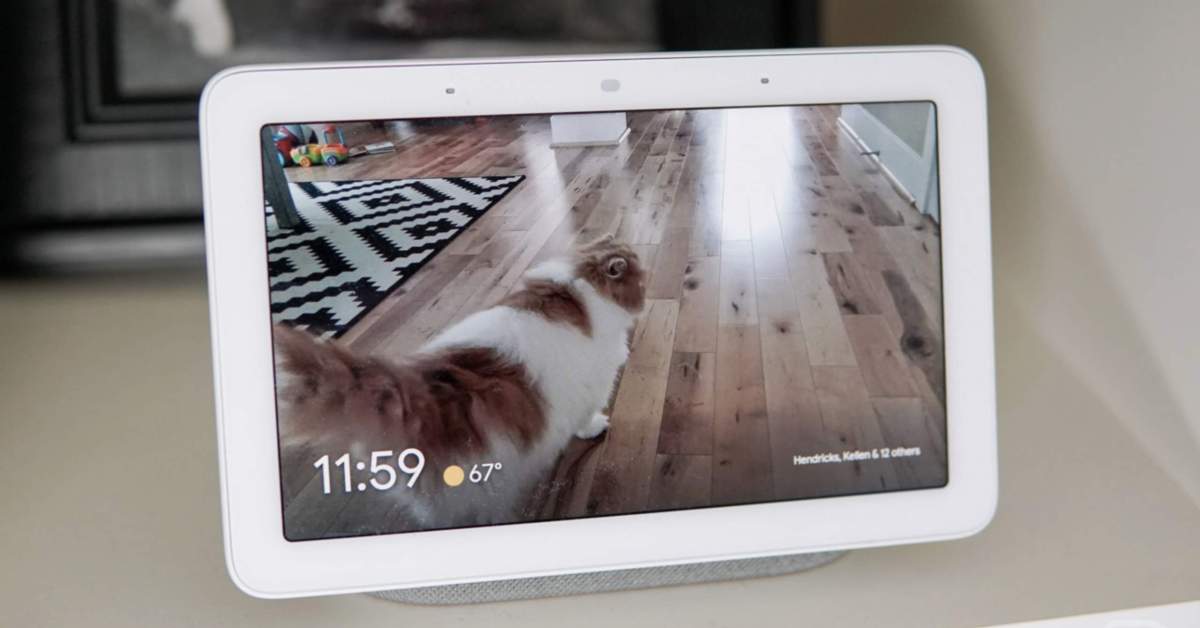
Google has announced a series of significant updates to its smart home ecosystem, bringing enhanced capabilities to Gemini for Home and addressing long-standing requests from its user base. The latest rollout, which accompanies version 4.17 of the Google Home app, focuses on improving the fluidity of voice commands, expanding automation triggers through camera-based intelligence and restoring functionality for Apple Music subscribers.
For users who rely on voice assistants to manage their daily routines, the ability to execute multiple requests in a single command has been significantly expanded. Rather than issuing individual instructions, users can now chain complex tasks together, such as setting a timer, adjusting smart lighting, and starting a podcast in one breath. These improvements are part of an ongoing effort to reduce latency and enhance the responsiveness of voice-activated controls across the Google Home platform.
Enhanced Media Control and Connectivity
A major highlight of this update is the restoration of Apple Music playback on Google smart speakers. Following technical collaboration between the two companies, users can once again stream their Apple Music libraries directly through their hardware. This resolution addresses a connectivity gap that had previously prevented seamless integration for many listeners.
Beyond music playback, Google has introduced a new “silence” feature for its voice assistant. When Gemini is providing a response, users can now simply say “stop” to halt the AI’s output without interrupting any music currently playing in the background. This provides a more natural, less disruptive interaction model for users who frequently use their speakers for both audio entertainment and information retrieval.
Connectivity reliability has also been a focal point for this release. Improvements to Bluetooth pairing mean that using speakers and displays as external audio devices for mobile phones should now be more consistent. By saying “pair Bluetooth,” users can initiate a connection with greater reliability than in previous versions, according to the latest release notes.
Unlocking New Automation Potential with Camera AI
Google is shifting the paradigm of home automation by allowing smart home devices to react to visual insights captured by cameras. Previously, automations were often limited to “if this, then that” constraints based on basic motion or time triggers. With this update, cameras equipped with advanced scene understanding—including Nest cameras and compatible third-party devices—can now act as intelligent triggers for the entire Google Home setup.

This functionality allows for highly specific, context-aware automations. Users can now design triggers based on real-world events described in natural language, such as an Amazon delivery arriving, a car door being left open, or a specific person being identified by the Familiar Faces feature. This transition toward visual intelligence represents a significant step in making smart homes more proactive and intuitive.
To support these new features, the Google Home app has received several refinements. The Familiar Faces interface has been updated to streamline the management of recognized individuals, offering clearer name suggestions and improved visual alignment. The responsiveness of smart home widgets on mobile devices has been optimized, ensuring that actions like toggling lights or adjusting smart plugs occur near-instantaneously upon interaction.
Platform Reliability and Expanded Availability
As part of its continued investment in platform performance, Google has implemented model updates aimed at reducing instances where the assistant mistakenly claims it cannot perform a requested task. These optimizations extend to timers and alarms, which have been tuned for faster, more predictable response times. Gemini now also demonstrates a better ability to track active timers during ongoing conversations, allowing for more fluid follow-up requests regarding remaining time.
The early access program for Gemini for Home is currently available to users in 19 countries. While the rollout is broad, enterprise Google Workspace accounts and Family Link child accounts are currently excluded from the early access opt-in process. Users are encouraged to check their account compatibility within the Google Home app to determine if they can access these latest features.

The updates to the Google Home app are currently being distributed to users globally. As Google continues to refine its AI-driven home management tools, the focus remains on reducing system latency and increasing the complexity of tasks that can be handled through natural language. Readers are encouraged to share their feedback through the app’s built-in reporting tools to assist in the ongoing development of these features. For further details on specific device compatibility and troubleshooting, users can refer to the official Google Home Help Center.