
Google has released version 5.02 of its Health Connect and associated fitness integration tools, restoring several data visualization features that were previously missing following the transition of Fitbit user data. The update brings back hourly activity charts, refined sleep-session controls, and improved food logging capabilities, addressing long-standing user feedback regarding the visibility of health metrics. While these additions improve the overall dashboard experience, users on iOS continue to report limited functionality compared to their Android counterparts, with certain advanced features reserved for a subsequent 5.03 release.
Restoring Core Fitbit Dashboard Features
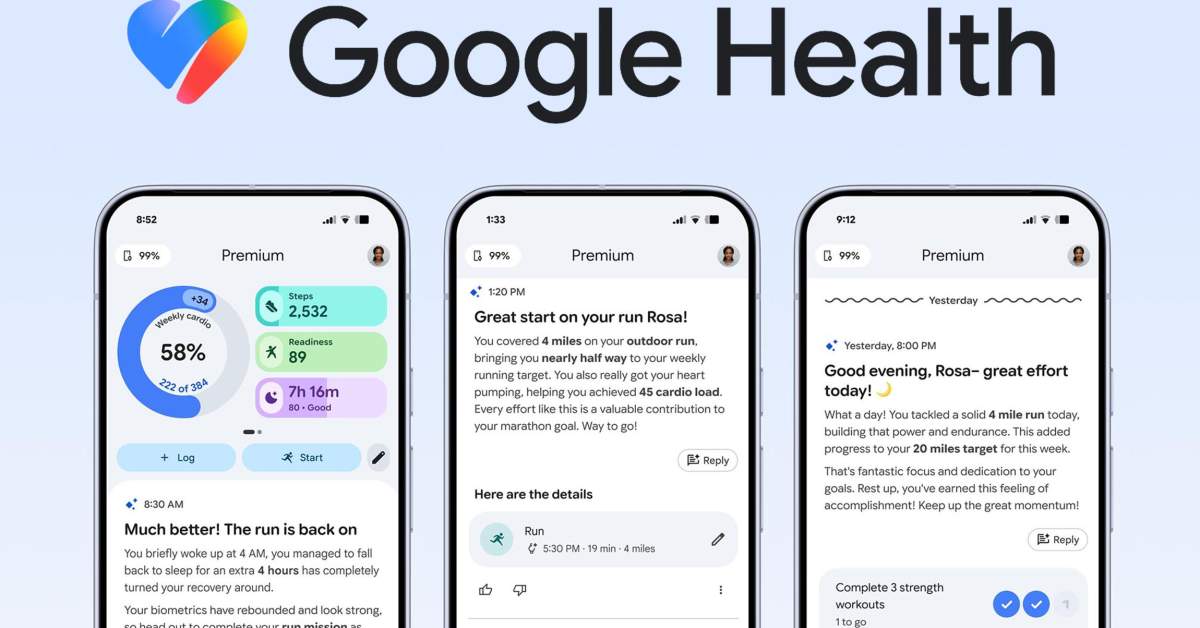
The 5.02 update focuses primarily on reconciling the data migration gap that occurred when Fitbit services were more deeply integrated into the broader Google health ecosystem. According to official release notes from Google, the update enables users to once again view granular, hour-by-hour activity breakdowns within their primary health dashboard. This restoration allows users to track movement patterns throughout the day, a feature that had been temporarily obscured or limited in previous iterations of the interface.
In addition to activity tracking, the update introduces enhanced sleep-session controls. Users can now more effectively manage and edit their sleep logs, correcting start and end times directly within the application. This improvement is part of a broader push by Google to centralize health data management, as detailed in the company’s official Fitbit transition support documentation. The update also streamlines food logging, allowing for faster entry and better synchronization with the calorie-tracking modules that rely on the underlying Health Connect framework.
The Persistent Parity Gap Between iOS and Android
Despite the functional improvements, the user experience remains bifurcated across mobile operating systems. Android users benefit from deeper integration with the system-level Health Connect API, which allows for real-time background data synchronization between third-party fitness apps and the Google ecosystem. As noted in the official Android developer documentation, this architecture provides a unified data layer that is not currently mirrored in the same capacity on Apple’s iOS platform.
Consequently, iOS users are still unable to access the full suite of dashboard widgets and automated data syncing features that are now available to Android users in version 5.02. Reports from community forums indicate that while the app is more stable on iPhone, the “dashboard parity” remains incomplete. Google has signaled that these remaining discrepancies are slated to be addressed in the upcoming version 5.03 update, though a specific rollout date for that version has not been publicly confirmed by the company.
What This Means for Daily Health Tracking
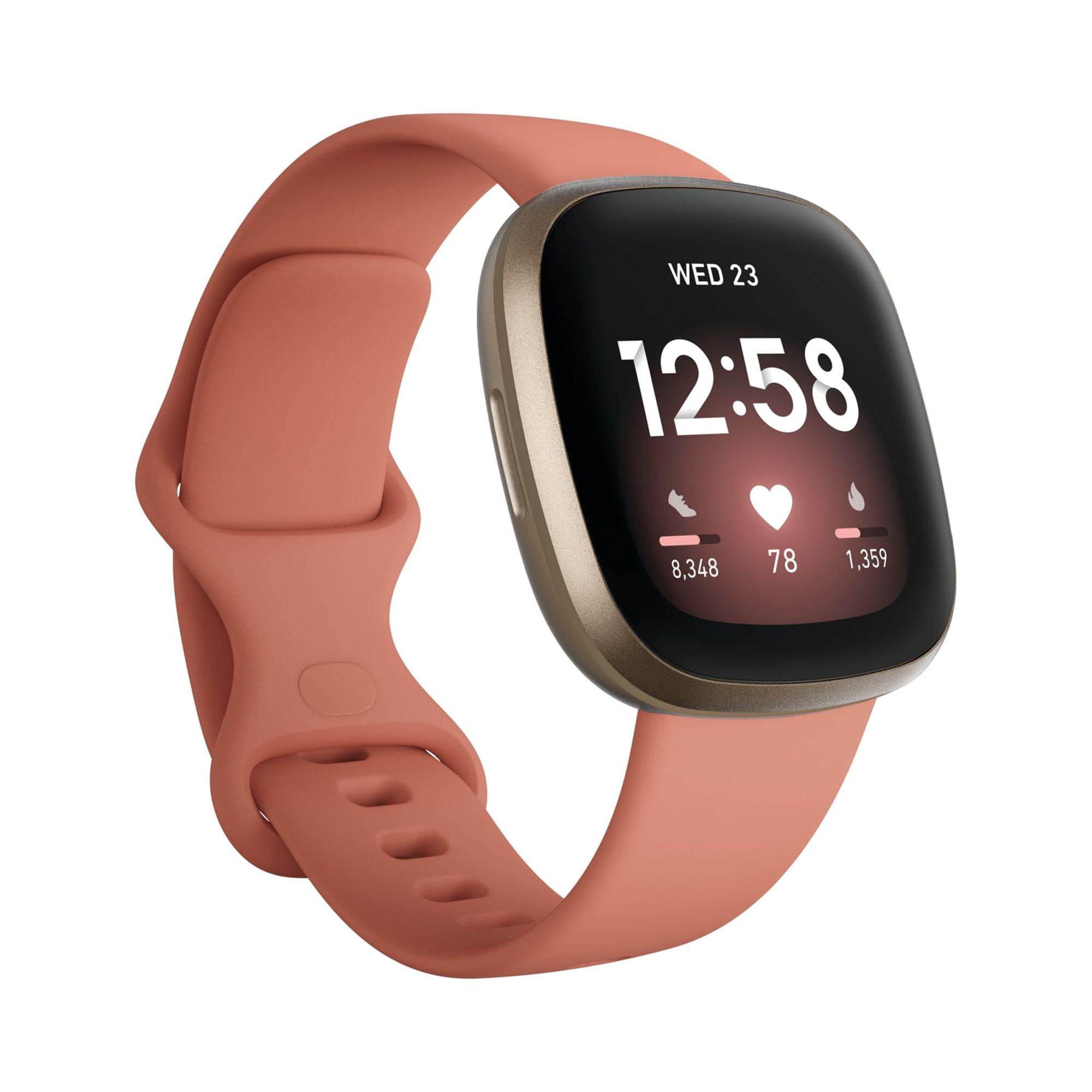
For the average user, these changes represent a return to the expected level of utility that existed prior to the platform migration. The ability to visualize daily health trends is critical for users relying on wearable devices to monitor chronic conditions or fitness goals. The restoration of hourly charts, in particular, provides a more accurate picture of sedentary time versus active time, which is a core metric for many users of the Fitbit Charge and Versa product lines.
The transition to a unified Google health dashboard is an ongoing project, governed by the data privacy and interoperability standards outlined in the initial migration policy announcement. By consolidating these features, Google aims to reduce the friction of moving between different health-tracking applications, although the current reliance on version-specific updates suggests that the development team is still actively debugging the cross-platform synchronization logic.
Next Steps for Users
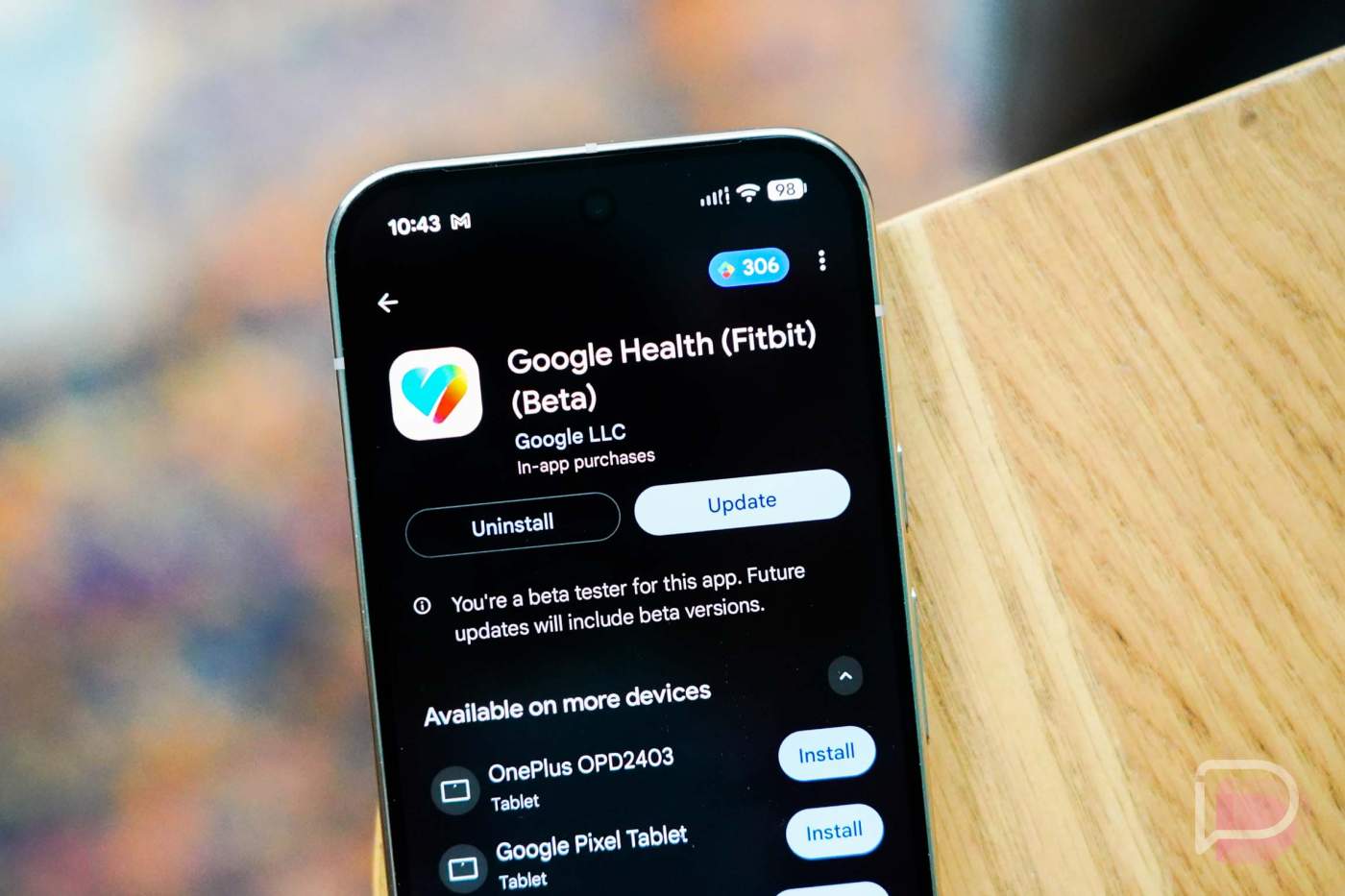
Users who have not yet received the update are encouraged to check their respective app stores—the Google Play Store for Android or the Apple App Store for iOS—to ensure they are running the latest version. As of this report, version 5.02 is the current stable release. The next checkpoint for users expecting further feature parity will be the release of version 5.03, which is expected to resolve the remaining iOS-specific limitations.
If you have encountered specific bugs or missing data points after updating to 5.02, it is recommended to submit feedback through the “Help & Support” section of the app. This data is used by engineering teams to prioritize fixes in the next development cycle. Please share your experience with the new dashboard in the comments below, and let us know if you are seeing the restored charts on your device.
Keep reading
- Claude AI Pushes Riemann Hypothesis Limit in 36-Hour Run
- Samsung Galaxy Z Fold 8 and Fold 8 Ultra Get Google’s New Tap-to-Share Quick Share Feature
- FDA Approves Groundbreaking mRNA Vaccine Booster for Adults 50+, Boosting Immunity and Protecting Against Chronic Health Risks (archyworldys.com)
- Google adds insulin resistance tracking to Pixel Watch 5 and Fitbit Air (time.news)