
Google I/O 2026 has officially opened its doors, marking a significant milestone for the company as it doubles down on its comprehensive artificial intelligence strategy. As the event kicked off on May 19, 2026, the focus centered on the evolution of the company’s end-to-end AI stack, with a particular emphasis on agentic coding and the integration of the latest Gemini model updates across its core product ecosystem, including Android, Chrome and Cloud services.
For developers and industry observers, this year’s Google I/O 2026 serves as a platform for showcasing the next frontier of technology. The event, which spans two days of livestreamed sessions, highlights how Google’s infrastructure is being leveraged to build intelligent agents and next-generation applications. With a clear shift toward more autonomous and “agentic” systems, the company is positioning its AI tools to handle increasingly complex tasks, moving beyond simple generative text toward functional, action-oriented software development.
The Evolution of the AI Stack
A central theme of the developer keynote, held on May 19 at 1:30 pm PT, was the democratization of advanced model capabilities. Whether developers are focused on multimodal media generation, robotics, or tuning and serving open-source models, Google is providing a suite of tools designed to streamline the build process. The company is emphasizing the role of Google AI Studio and its broader infrastructure in supporting developers who are tasked with creating sophisticated AI experiences.
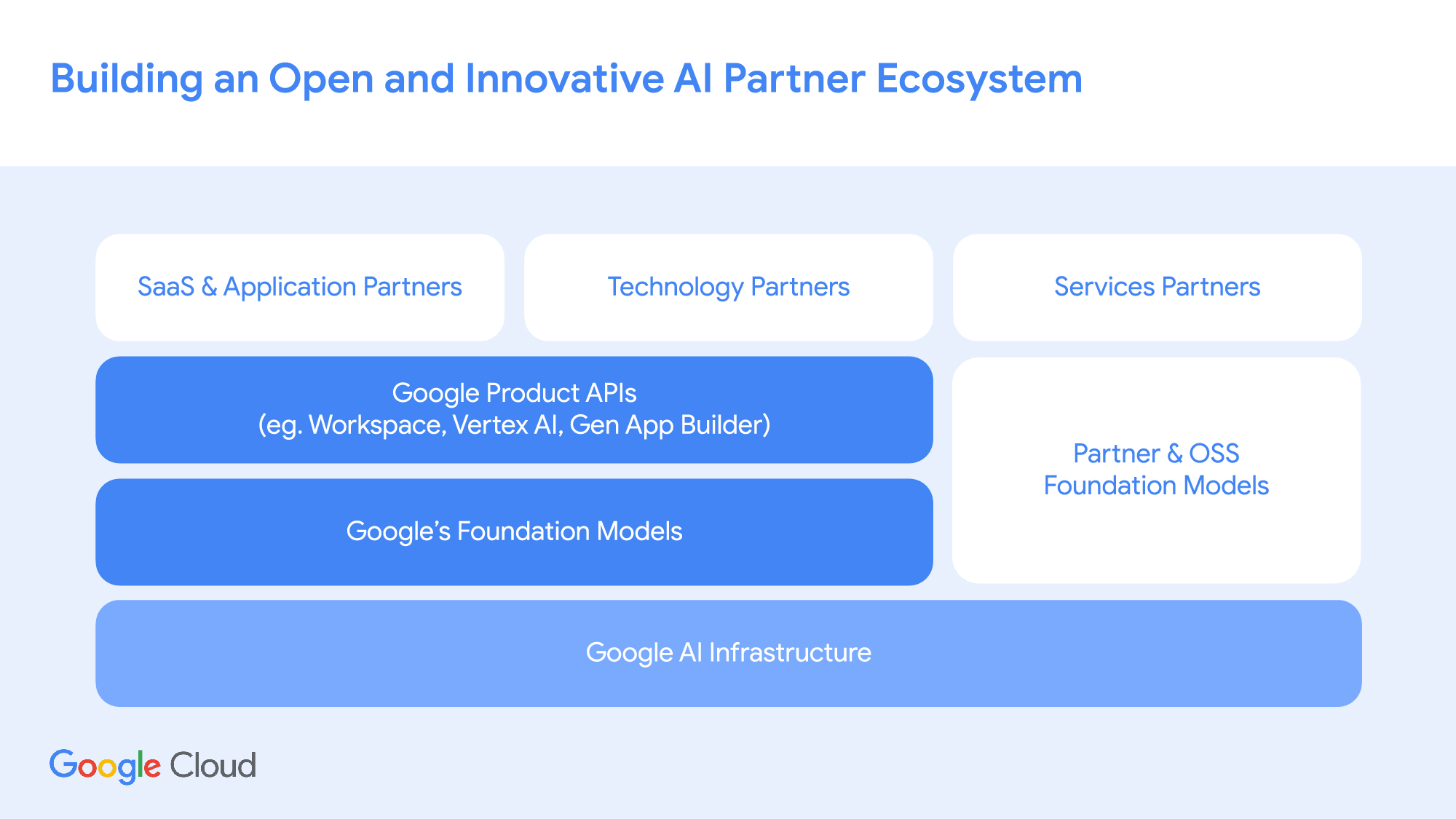
The transition toward “agentic” coding represents a notable pivot in the industry. By allowing AI models to take on more complex, multistep workflows, Google aims to reduce the friction in software development. These new tools are intended to assist in building intelligent agents that can operate across various platforms, effectively extending the reach of Gemini into the daily workflows of both developers and end-users.
Gemini and the Multi-Platform Ecosystem
Gemini remains the backbone of Google’s current strategy. Throughout the event, leadership has reiterated that the latest Gemini model updates are being woven into the fabric of the company’s most popular products. This integration is designed to ensure that the power of advanced machine learning is accessible not just in specialized tools, but within the everyday environments of Android and Chrome users.
The “What’s new in Google AI” session, scheduled for the afternoon of the event’s first day, provided a deeper dive into these capabilities. By focusing on an end-to-end stack—from the underlying model architecture to the infrastructure that hosts it—Google is attempting to create a cohesive environment where innovation can scale rapidly. This approach addresses the increasing demand for high-performance, reliable AI that can be deployed across diverse hardware and cloud environments.
Engaging the Developer Community
Beyond the technical announcements, Google I/O 2026 continues its tradition of fostering community engagement. The return of the “Dialogues” sessions is a key feature, bringing together industry thinkers and leaders to discuss the societal and practical implications of AI. These discussions are intended to frame how technology is shaping the future, providing a broader context for the technical demos and product updates shared during the conference.
The event structure, which includes both keynote addresses and forward-looking panels, underscores the company’s desire to maintain a dialogue with the global developer community. By offering livestreamed access, Google has ensured that its updates reach a worldwide audience, allowing developers to participate in the learning process regardless of their location.
Key Takeaways from Google I/O 2026
- Agentic Coding: A primary focus on tools that enable AI to perform complex, autonomous tasks within development environments.
- Gemini Integration: Significant updates to the Gemini model are being rolled out across Android, Chrome, and Cloud platforms.
- End-to-End Infrastructure: A renewed commitment to providing a full-stack AI solution, encompassing model tuning, serving, and deployment.
- Community Engagement: The return of Dialogues sessions to facilitate high-level discussions on the trajectory of artificial intelligence.
As the event continues through May 20, 2026, further details regarding specific product capabilities and developer resources will be shared via the official Google Developers Blog. The tech community is encouraged to monitor the official portal at io.google for the latest updates, session recordings, and documentation as they become available. We invite our readers to join the conversation in the comments section below and share their thoughts on how these developments might impact the future of software development.
Keep reading