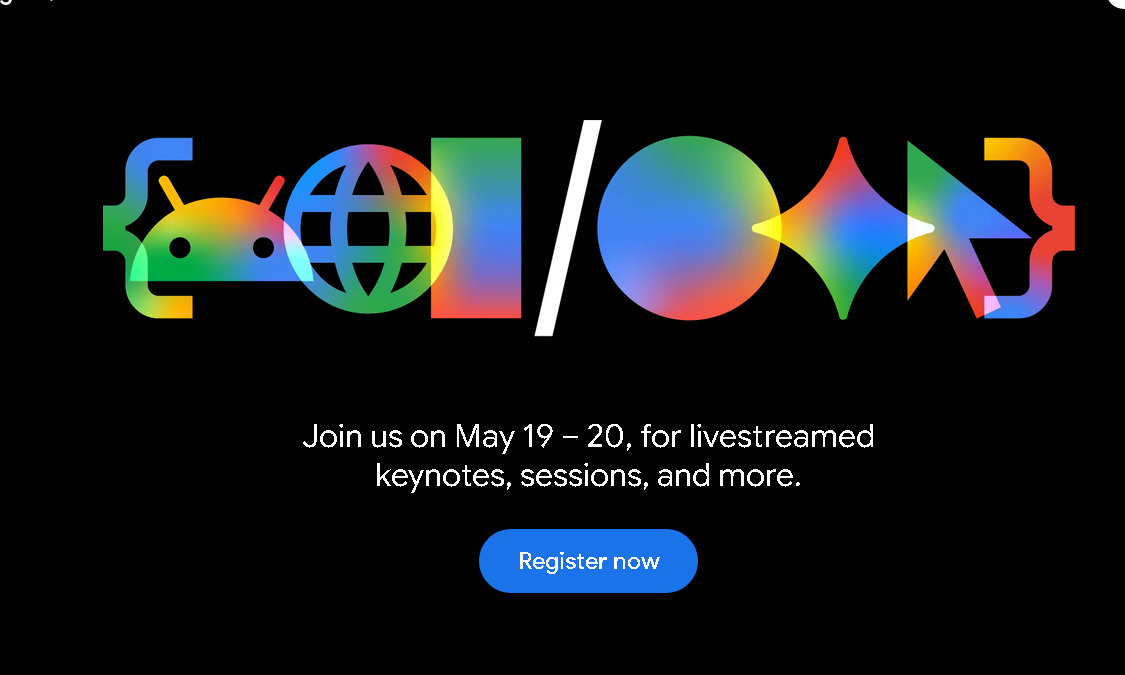
Google’s annual developer conference, Google I/O, is set to take place May 19-20, 2026. The event promises to showcase the latest advancements in artificial intelligence and software, with a significant focus expected on the evolution of the Gemini AI model and the unveiling of Android 17. This year’s I/O is particularly anticipated as it signals a deepening integration of AI into everyday life, aiming to streamline digital experiences for users globally.
The annual gathering isn’t merely a platform for code demonstrations; it’s increasingly becoming a showcase of how AI can function as a more intuitive personal assistant. From managing daily schedules to optimizing shopping habits, Google is positioning AI as a central component of its ecosystem. The event will feature keynote addresses from Google leaders, panel discussions, and product demos, all geared towards illustrating the future of technology. Registration is now open at io.google, with livestreamed sessions available throughout the two-day event.
Google I/O 2026 arrives at a pivotal moment in the development of AI. The rapid advancements in large language models (LLMs) like Gemini are reshaping how people interact with technology, and Google is poised to demonstrate the next generation of these capabilities. The company’s commitment to AI extends beyond consumer-facing applications, impacting areas like cloud computing and enterprise solutions. The event will also feature “Dialogues” sessions, bringing together thought leaders to discuss the broader societal implications of AI.
Gemini 2.5 and the Proactive AI Assistant
A core focus of Google I/O 2026 is expected to be substantial updates to Gemini AI. Since its introduction, Gemini has grow a foundational element across numerous Google services. According to Google’s official blog, the event will feature announcements related to Gemini Google AI Studio and Gemini 2.5 Flash Image as highlighted in a February 17, 2026 post. The company is anticipated to unveil a more proactive Gemini, moving beyond simply responding to commands to anticipating user needs. This shift towards proactive assistance has significant implications for time management and shopping efficiency.
Imagine an AI assistant that automatically compiles a grocery list based on past consumption patterns, or suggests optimal times to purchase items based on price fluctuations. This level of integration could revolutionize the online shopping experience and streamline household inventory management. The potential extends to personalized recommendations, automated task scheduling, and even proactive alerts for potential issues, such as expiring products or upcoming appointments. This proactive approach represents a significant leap forward in the evolution of AI assistants.
Android 17: A Focus on User Experience and Efficiency
Alongside the advancements in AI, the launch of Android 17 is generating considerable excitement. The recent operating system is rumored to feature a lighter, more intelligent architecture designed to optimize power management. One highly discussed feature is an enhanced notification system that prioritizes messages from important contacts and applications, reducing digital clutter and ensuring users don’t miss critical information. What we have is a direct response to the increasing demands on users’ attention in a constantly connected world.
Android 17 is also expected to incorporate significant improvements to privacy and data security, safeguarding digital transactions and protecting user information. The user interface is predicted to be more personalized, adapting to individual usage patterns and preferences. Features like dynamic screen modes – optimizing for focus during work or enhancing navigation during shopping – could significantly improve the overall user experience. These enhancements aim to create a more intuitive and efficient mobile operating system.
The Intersection of AI and Daily Life
The technologies showcased at Google I/O 2026 are deeply intertwined with the demands of modern lifestyles. The integration of AI into everyday routines promises to simplify tasks and enhance productivity. For example, smart kitchen appliances integrated with AI assistants could suggest recipes based on available ingredients, reducing food waste and simplifying meal planning. This is particularly valuable for busy individuals and families seeking to optimize their time.
the combination of Android 17 and location-based services will likely provide more precise and real-time tracking of deliveries, improving logistics and enhancing convenience. The ability to monitor shipments with greater accuracy can alleviate anxieties and streamline the receiving process. This seamless integration of technology into daily routines underscores Google’s vision of a more connected and efficient future.
Watching Google I/O 2026 from Indonesia and Beyond
For viewers in Indonesia and around the world, Google I/O 2026 will be accessible via livestream on the official I/O platform, io.google. The schedule will be adjusted to accommodate different time zones, ensuring global accessibility. This allows anyone to gain direct insights from the event’s keynotes and demonstrations without the need for physical attendance.
Implications for the Digital Economy
Google I/O 2026 serves as a crucial signal for the digital industry, urging developers to adapt to the evolving landscape. With a strong emphasis on Gemini and Android 17, application developers in e-commerce and daily necessities are encouraged to optimize their platforms. Seamless access, streamlined digital payment integration, and personalized services are key to capturing consumer attention in the future. The event highlights the importance of innovation and responsiveness in a rapidly changing technological environment.
The advancements presented at Google I/O 2026 demonstrate that technology is no longer a separate entity from human life, but rather a partner in managing the complexities of daily tasks with greater simplicity and efficiency. The focus on AI and user experience underscores Google’s commitment to creating technology that is not only powerful but also intuitive and accessible to all.
Key Takeaways
- Gemini AI Evolution: Google I/O 2026 will showcase significant updates to Gemini, focusing on proactive assistance and integration across various services.
- Android 17 Launch: The new Android operating system promises improved power management, enhanced notification prioritization, and stronger privacy features.
- AI-Powered Daily Life: The event highlights how AI is being integrated into everyday tasks, from meal planning to delivery tracking, to simplify routines.
- Global Accessibility: Google I/O 2026 will be livestreamed globally, allowing anyone to access the latest announcements and demonstrations.
The next major checkpoint will be the official release of Android 17 and the broader rollout of Gemini’s updated features following Google I/O 2026. Stay tuned to World Today Journal for ongoing coverage of these developments. We encourage you to share your thoughts on the potential impact of these technologies in the comments below.
Keep reading