Google Maps Reimagined: AI-Powered ‘Question Maps’ Feature Promises a Conversational Navigation Experience
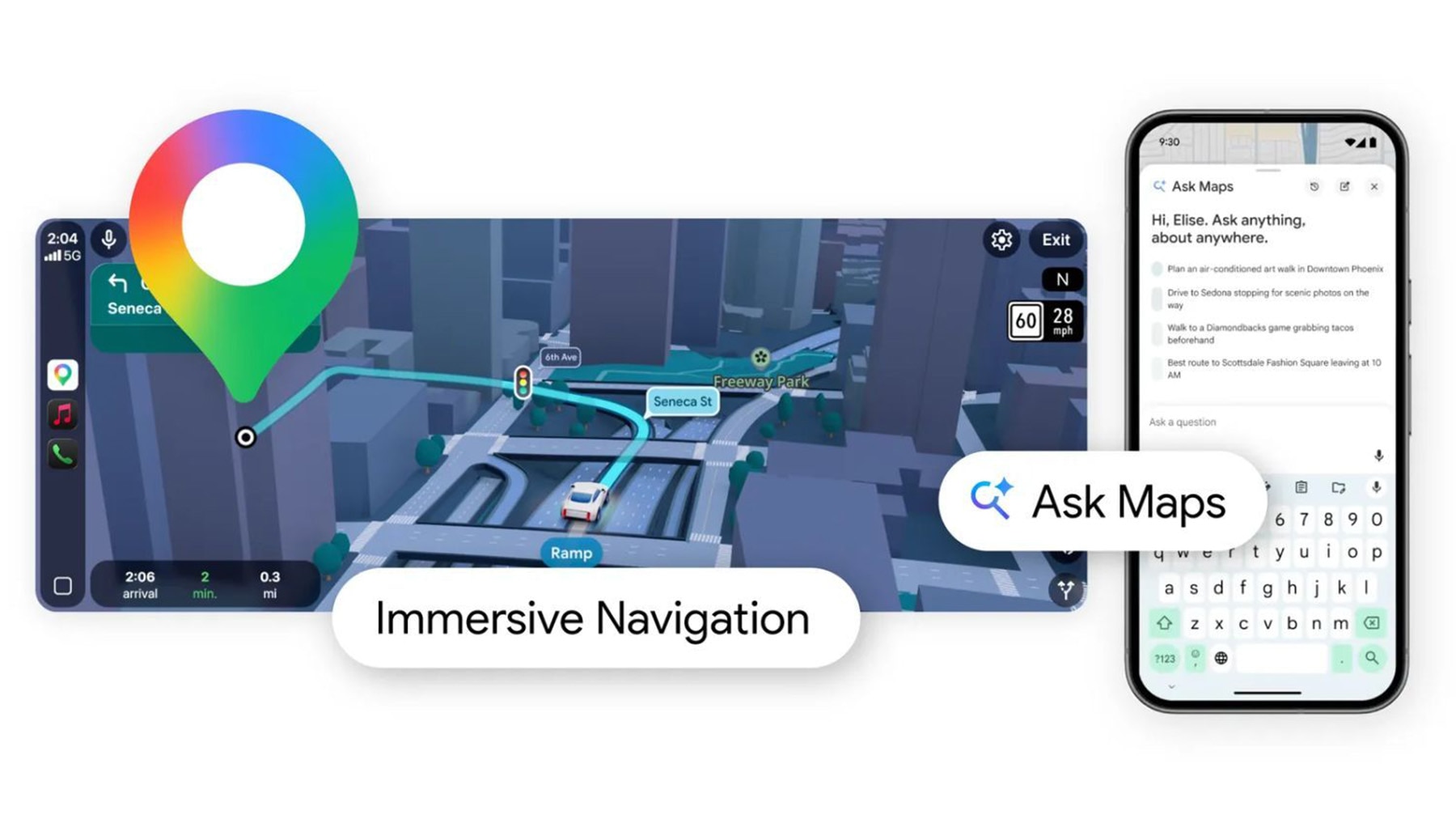
Google Maps is undergoing a significant transformation, integrating the power of its Gemini artificial intelligence model to introduce a recent feature called “Ask Maps.” This update aims to fundamentally change how users interact with the platform, moving beyond traditional keyword searches to allow for complex, natural language queries. The rollout, currently limited to the United States and India, marks a pivotal moment in the evolution of digital navigation, promising a more intuitive and personalized experience for millions of users worldwide. The changes, announced on March 12, 2026, represent Google’s largest update to Maps navigation in over a decade, according to the company.
The integration of Gemini allows users to ask Google Maps questions as they would a human assistant. Instead of typing “restaurants near me,” users can pose questions like, “Where can I charge my phone without a long wait?” or “Is there a public tennis court with lights open tonight?” Google claims the new system can answer questions “a map could never answer before,” leveraging its vast database of location information, user reviews, and real-time data to provide comprehensive and tailored responses. This shift towards conversational search is designed to simplify exploration and make finding what you need easier than ever before.
This isn’t simply a refinement of existing search functionality; it’s a paradigm shift in how we interact with mapping technology. Google is positioning Ask Maps as a way to unlock the full potential of its mapping data, offering a more dynamic and helpful experience. The feature is designed to understand the nuances of user requests, considering factors like personal preferences and past behavior to deliver truly relevant recommendations. This personalization extends to trip planning, where Ask Maps can generate detailed itineraries, including directions, estimated travel times, and even tips from other users.
Unlocking a New Level of Detail with Immersive Navigation
Alongside Ask Maps, Google is also launching Immersive Navigation, a visually overhauled driving experience. This update introduces a 3D view of the surrounding environment, displaying buildings, overpasses, and terrain with unprecedented detail. The goal is to provide drivers with a clearer and more intuitive understanding of their route, reducing stress and improving safety. According to Google, Immersive Navigation utilizes Gemini models to analyze real-world imagery from Street View and aerial photos, creating a more accurate and informative representation of the road ahead.
Immersive Navigation goes beyond simply displaying a 3D map. It highlights crucial road details, such as lane markings, crosswalks, traffic lights, and stop signs, providing drivers with a comprehensive understanding of their surroundings. The system also offers a broader route view, allowing drivers to anticipate upcoming turns and potential hazards. It provides detailed information about alternative routes, including trade-offs between tolls and traffic congestion, empowering users to make informed decisions. The new navigation system also incorporates features like real-time parking availability and previews of Street View imagery at upcoming intersections, further enhancing the driving experience.
Personalization and Proactive Assistance
A key aspect of the new Google Maps experience is its enhanced personalization capabilities. Ask Maps leverages a user’s search history and saved locations to provide tailored recommendations. For example, if a user frequently searches for vegan restaurants, the system will prioritize vegan options when suggesting nearby dining establishments. Google’s official blog post details how this personalization is achieved through the analysis of user data, ensuring that recommendations are relevant and helpful. This level of customization extends to trip planning, where Ask Maps can create itineraries based on individual preferences and interests.
The integration of AI also enables proactive assistance. Ask Maps doesn’t just respond to queries; it anticipates user needs. For instance, if a user is planning a trip, the system might proactively suggest nearby attractions or recommend optimal routes based on real-time traffic conditions. This proactive approach aims to streamline the navigation process and provide a more seamless experience. Users can also share Ask Maps’ responses with friends and family, facilitating collaborative planning and decision-making.
Availability and Future Expansion
Currently, the Ask Maps feature is available in the United States and India on both Android and iOS devices. Google has confirmed plans to expand the feature to additional countries and to introduce a desktop version in the near future, though a specific timeline has not been announced. MacRumors reported on March 12, 2026 that the rollout will be gradual, with not all users gaining access to Immersive Navigation immediately. The initial rollout is focused on gathering user feedback and refining the system before a wider release.
The launch of Ask Maps and Immersive Navigation represents a significant investment in the future of Google Maps. By leveraging the power of artificial intelligence, Google is transforming its mapping platform from a simple navigation tool into a comprehensive and intelligent travel companion. The company’s commitment to innovation is evident in its willingness to embrace new technologies and to reimagine the way people interact with maps. As Gemini continues to evolve, You can expect even more sophisticated and personalized features to be integrated into Google Maps, further enhancing the user experience.
Key Takeaways
- Conversational Search: Ask Maps allows users to ask questions in natural language, simplifying the search process.
- AI-Powered Recommendations: Gemini analyzes user data to provide personalized recommendations and itineraries.
- Immersive 3D Navigation: The new navigation system offers a detailed 3D view of the surrounding environment, improving clarity and safety.
- Proactive Assistance: Google Maps anticipates user needs and provides proactive suggestions and information.
- Limited Initial Rollout: The features are currently available in the US and India, with plans for wider expansion.
Google’s continued development of Maps, fueled by advancements in AI, signals a commitment to providing users with the most comprehensive and intuitive navigation experience possible. The next step will be observing user adoption and feedback as the features roll out to more regions. We’ll continue to follow the development of Ask Maps and Immersive Navigation, bringing you updates as they become available. Share your thoughts on these new features in the comments below, and let us know how you envision the future of digital navigation.
Related reading