<>
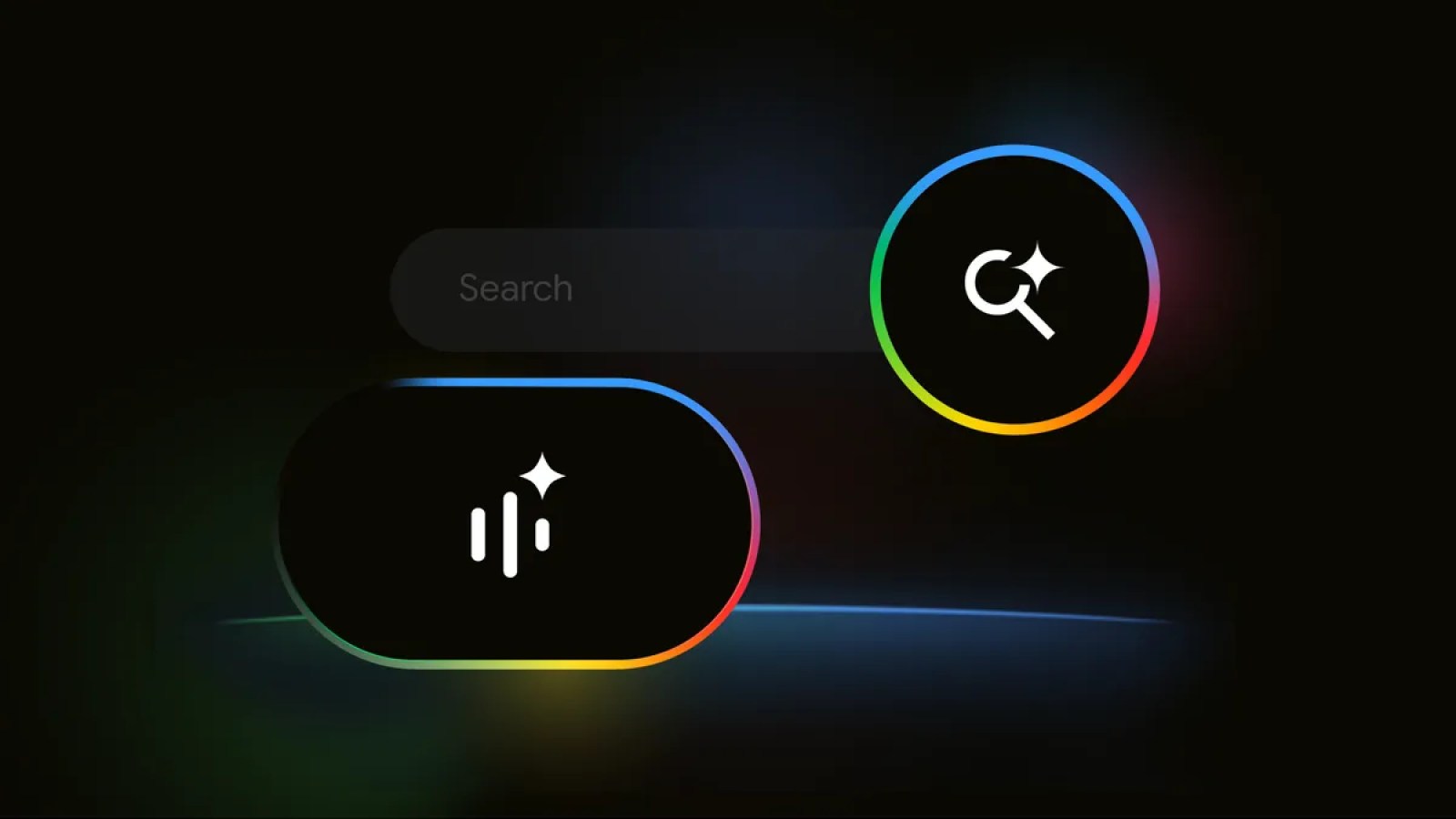
Google is testing a radically redesigned homepage that removes its iconic search button for the first time in 25 years, replacing the traditional interface with direct AI-powered utilities. According to reports from Search Engine Watch, a small cohort of users now encounters a streamlined landing page featuring action buttons for image generation, file querying, and brainstorming instead of the classic search box. While users can still execute standard queries by pressing the enter key, the shift highlights an aggressive push by the company to embed generative artificial intelligence at the very core of its digital ecosystem.
A Profound Shift From External Links to On-Site Answers
The experimental interface marks a profound philosophical pivot for a platform whose historical mission has long been to organize the world’s information. Rather than directing users outward to external web pages through traditional search results, the updated layout encourages visitors to digest information directly within the platform using conversational models. Industry observers note that this transformation mirrors the broader integration of AI summaries across global markets, fundamentally altering how everyday internet users interact with online content and raising urgent questions for the digital publishing economy.
Inside the Minimalist AI-First Interface
The newly surfaced design reorganizes the minimalist aesthetic that defined the search giant for a quarter of a century. Users granted access to the trial environment no longer see the standard search activation button. Instead, the interface highlights three specific interactive options: creating images, querying uploaded files, and brainstorming concepts. The classic “I’m Feeling Lucky” shortcut remains accessible, while a new “AI Mode” integration sits directly inside the primary query bar alongside existing voice and image search functions.
Executive Confirmation Amid Visual Real Estate Changes
Most of these novel utilities function without requiring a user login, though specific features like advanced image generation demand user authentication. Addressing user concerns regarding the modification, Robby Stein, vice president of product for Google Search, confirmed on the social platform X that standard text queries remain fully operational simply by pressing the enter key. Despite this reassurance, the visual real estate dedicated to generative features signals that traditional text-based lookup methods are increasingly taking a back seat to conversational assistance.
Mounting Economic Pressures for Digital Publishers
The quiet deployment of these AI-first features carries significant weight for online publishers, independent media organizations, and advertisers who rely on traditional referral traffic. For decades, the foundational bargain of the web involved search engines directing organic traffic toward publisher sites in exchange for indexing web pages. By shifting towards generative summaries and integrated assistant tools that satisfy user queries on-site, platforms reduce the necessity for visitors to click through to external sources.
Industry analysts point out that as automated assistants draw billions of active users, publishers face mounting economic pressures. While tech executives continue to refine these interfaces in controlled testing environments, the long-term impact on digital journalism, advertising revenue models, and open web discovery remains uncertain as broader global rollouts loom.
Worth a look