
As we navigate the complexities of global public health in 2026, the intersection of technology and biology continues to evolve. Recent initiatives aimed at curbing the spread of mosquito-borne illnesses have drawn significant international attention, focusing on innovative biological control methods that involve the release of laboratory-reared insects. These programs, often supported by public-private partnerships, represent a shift toward managing vector-borne diseases like dengue, Zika, and chikungunya by altering the reproductive capabilities of wild mosquito populations.
The core of this strategy involves the mass production and release of male mosquitoes—typically of the species Aedes aegypti—that have been modified or infected with the bacterium Wolbachia. Because male mosquitoes do not bite humans, their release is intended to reduce the overall population of disease-transmitting insects or to ensure that future generations carry traits that inhibit the transmission of viruses. These efforts are part of a broader, ongoing global effort to address the rising threat of vector-borne pathogens, which the World Health Organization (WHO) identifies as a significant public health challenge, with dengue incidence having grown dramatically in recent decades.
The Science of Biological Control
The methodology behind these large-scale releases is rooted in decades of research into sterile insect techniques and bacterial symbionts. The World Mosquito Program, a prominent global initiative, utilizes Wolbachia to reduce the capacity of mosquitoes to transmit viruses. When these mosquitoes mate with wild populations, the bacteria spread, eventually resulting in a population that is significantly less likely to pass diseases to humans. This is distinct from genetic modification, as it relies on a naturally occurring bacterium found in many insect species.

In various parts of the world, including regions in the Americas and Southeast Asia, these projects have undergone rigorous regulatory review. The deployment of these insects is subject to local environmental and health oversight, ensuring that the release of millions of laboratory-reared mosquitoes aligns with safety standards. These projects are not “random” interventions but are carefully monitored field trials designed to gather data on efficacy and long-term environmental impact.
Addressing Global Health Concerns
Why is there such a significant investment in these programs? The primary driver is the urgent need to manage epidemics that strain healthcare systems. Vector-borne diseases account for more than 17% of all infectious diseases, causing more than 700,000 deaths annually worldwide, according to the World Health Organization. Traditional methods, such as chemical fogging or the removal of standing water, have proven insufficient to control the resilient Aedes aegypti mosquito, which has adapted well to urban environments.
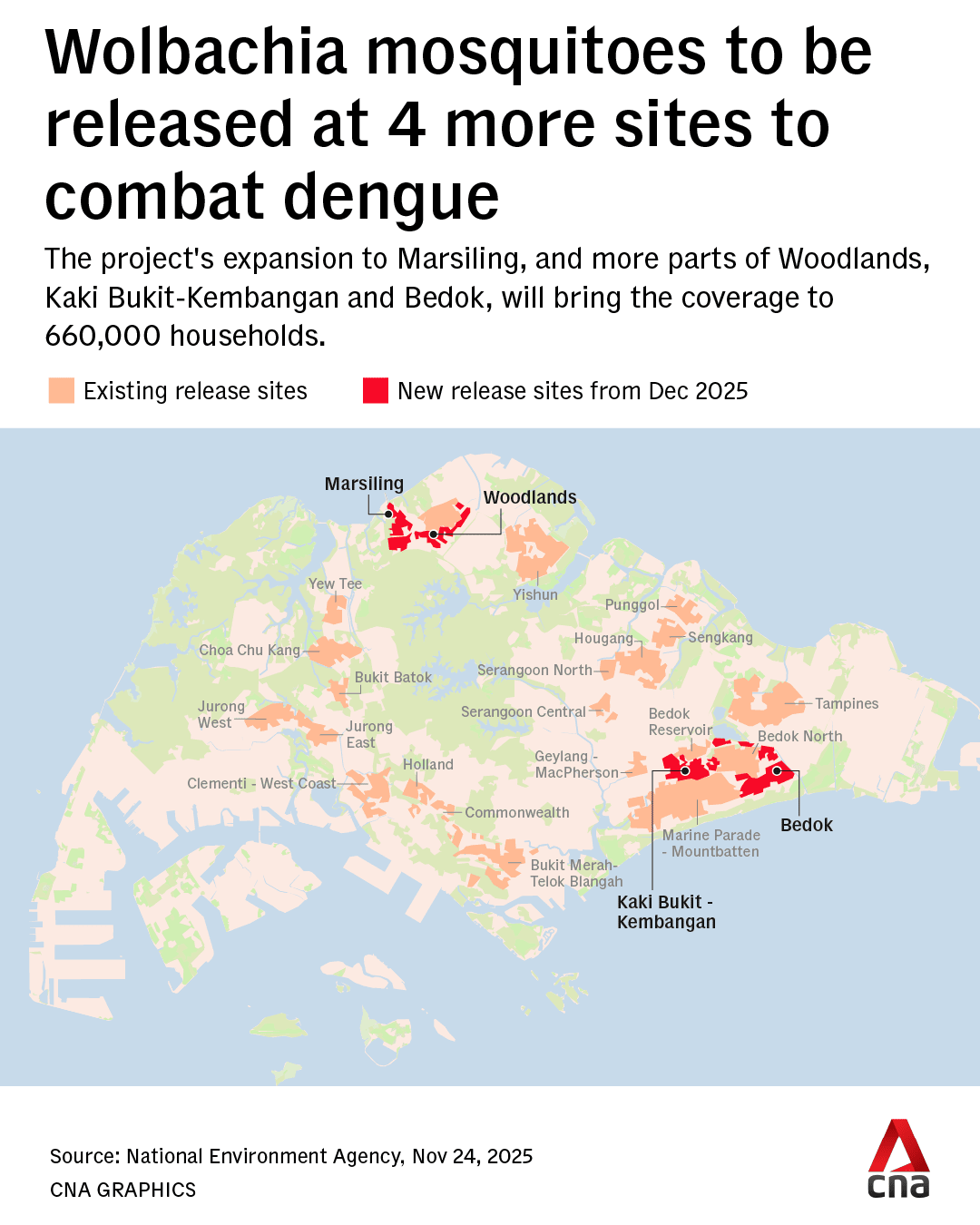
By utilizing biological alternatives, researchers aim to provide a sustainable, long-term solution. The process involves:
- Mass-rearing mosquitoes in specialized facilities to ensure health and vigor.
- Sorting the insects to ensure only males are released in specific programs, or ensuring that the Wolbachia-infected mosquitoes are capable of successfully mating with local populations.
- Monitoring the release sites to track the establishment of the bacterial strain or the reduction in wild mosquito density.
Transparency and Public Engagement
Public apprehension regarding these projects is understandable, as the intentional release of millions of insects into the wild is a unconventional approach to disease management. However, experts emphasize that these programs are highly targeted. The scale of the releases—often reaching into the millions—is necessary to overcome the high mortality rates these insects face in the wild and to ensure that the desired biological traits are passed on to subsequent generations.
Regulatory bodies, such as the U.S. Environmental Protection Agency (EPA) in the United States, have historically reviewed and authorized specific experimental permits for these types of releases after evaluating potential risks to human health and the environment. Documentation regarding these permits is generally available through public portals, providing a layer of accountability for the organizations involved in the logistics and funding of these operations.
What Happens Next?
The field of vector control is rapidly advancing, with new technologies being piloted to increase the efficiency of these releases, including the use of drones for aerial distribution. As these programs expand, the focus remains on long-term data collection. Success is measured not just by the number of mosquitoes released, but by the measurable decrease in human infection rates in the target communities.
For residents in areas where these programs are active, the best course of action is to stay informed through local municipal health departments or regional environmental agencies, which typically provide advance notice of release schedules and safety guidance. Public discourse and the peer-review process remain critical to the continued development and refinement of these biological interventions.
Have you observed changes in local vector populations, or are you interested in how public health policy is adapting to climate-driven disease shifts? We invite you to share your thoughts in the comments section below or join the conversation on our social media channels.