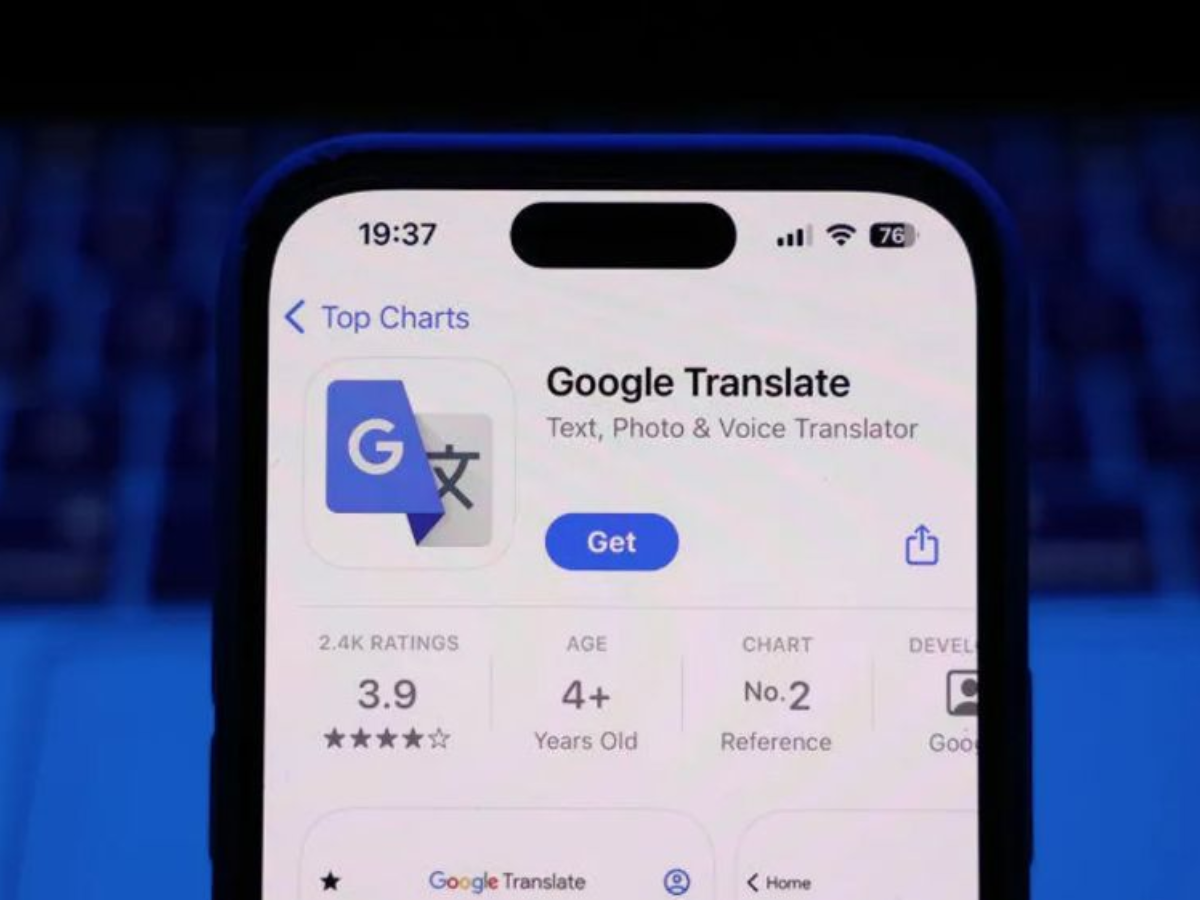
San Francisco, CA – Google Translate is undergoing a significant evolution, moving beyond simple word-for-word translations to embrace the nuances of language with the integration of Google’s Gemini artificial intelligence model. The update, rolling out now, aims to provide users with more contextually accurate and culturally sensitive translations, understanding not just *what* is said, but *how* it’s said. This represents a substantial leap forward in machine translation, addressing long-standing challenges in accurately conveying tone, formality, and idiomatic expressions across languages.
For years, Google Translate has been a go-to resource for quick translations, prized for its speed and broad language support. Though, the service has often struggled with the subtleties of human communication. Literal translations can miss the mark, leading to awkward phrasing or even misinterpretations. Gemini’s advanced multilingual capabilities are designed to overcome these limitations, offering users a more sophisticated and reliable translation experience. The core of this improvement lies in Gemini’s ability to analyze linguistic nuance, a skill previously beyond the reach of traditional machine translation algorithms. This isn’t simply about converting words; it’s about understanding the intent and context behind them.
The new features, currently available in the Google Translate app for both Android and iOS devices in the United States and India, introduce several key enhancements. Users will now receive multiple alternative translations for a given phrase, each accompanied by explanations detailing the appropriate context for its use. This is particularly helpful when dealing with idioms or colloquialisms, where a direct translation can be misleading. For example, the English phrase “It’s raining cats and dogs” would yield several equivalent expressions in the target language, with the app clarifying when each option is most suitable. According to Google, this update is designed to help users avoid the pitfalls of literal translations and communicate more effectively across cultural boundaries.
Gemini Powers Contextual Understanding in Translations
The heart of the update is the “Understand” feature. Selecting this option provides a detailed overview of the differences in tone and usage between the suggested translations. The explanations highlight how phrasing might shift depending on the setting – whether it’s a formal business meeting or a casual conversation with friends – and the intended audience. Regional language variations are similarly taken into account, ensuring that the translation is appropriate for the specific dialect or country. This level of detail empowers users to choose the translation that best fits their needs, fostering clearer and more accurate communication.
Beyond simply offering alternative translations, Google Translate now includes an “Request” feature, allowing users to refine results with follow-up prompts. This interactive approach transforms the translation process from a one-way exchange to a collaborative dialogue. Users can request a more formal version of a phrase, a translation tailored to a specific country or dialect, or alternative phrasing suitable for business or academic contexts. This capability moves Google Translate closer to a guided language assistance tool, providing users with the support they need to navigate the complexities of cross-cultural communication. The ability to tailor translations to specific situations is a significant step towards bridging language barriers and fostering global understanding.
Expanding Language Access and Real-Time Translation
This update builds upon Google’s ongoing efforts to enhance its translation capabilities. In December 2025, Google announced that it was integrating Gemini’s translation technology into Google Translate and the Search app, promising more natural and accurate translations. According to a Google blog post, the company is also beta testing live speech-to-speech translation with headphones, allowing for real-time conversations across language barriers. This feature is currently available on Android in the U.S., Mexico, and India. The introduction of live speech translation represents a particularly exciting development, potentially revolutionizing international travel and cross-cultural interactions.
The improvements to Google Translate aren’t limited to text translation. The company is also expanding the number of languages supported within the Translate app, providing new learning tools for users to practice and improve their language skills. This holistic approach – combining accurate translation with language learning resources – underscores Google’s commitment to fostering global communication, and understanding. The addition of new languages and learning tools will undoubtedly broaden the app’s appeal and accessibility to a wider audience.
The Role of Gemini in Advanced Translation
Gemini, Google’s most advanced AI model, is central to these advancements. As detailed on the Gemini website, the model is designed to understand and generate human-like text, making it ideally suited for the complexities of language translation. Unlike previous translation models that relied on statistical analysis, Gemini leverages a deeper understanding of linguistic structure and cultural context. This allows it to produce translations that are not only accurate but also natural and fluent. The integration of Gemini represents a paradigm shift in machine translation, moving beyond simple word replacement to genuine language comprehension.
The implications of these improvements extend far beyond casual conversation. Accurate and nuanced translation is crucial in a wide range of fields, including business, diplomacy, healthcare, and education. By providing more reliable and contextually appropriate translations, Google Translate can help to break down communication barriers and facilitate collaboration across cultures. The ability to understand the subtle nuances of language can be particularly critical in sensitive situations, such as medical consultations or legal proceedings.
While the initial rollout is limited to the U.S. And India, Google has indicated that web access to these Gemini-powered features is “coming soon,” though a specific date has not been announced. The company has also not yet disclosed the full list of languages supported by the new contextual system, but it’s expected to expand rapidly as the technology matures. The phased rollout allows Google to gather user feedback and refine the features before making them available to a wider audience.
The evolution of Google Translate, powered by Gemini, signifies a major step forward in the field of artificial intelligence and its application to real-world communication challenges. By prioritizing context, nuance, and cultural sensitivity, Google is not simply translating words; it’s building bridges between people and cultures. As the technology continues to develop, we can expect even more sophisticated and intuitive translation tools that will further empower global communication and understanding.
Google is expected to provide further updates on the expansion of Gemini-powered features in Google Translate at its annual I/O developer conference in May 2026. Keep an eye on the World Today Journal’s Tech section for ongoing coverage of this evolving technology and its impact on global communication. We encourage you to share your experiences with the new Google Translate features in the comments below.
Worth a look