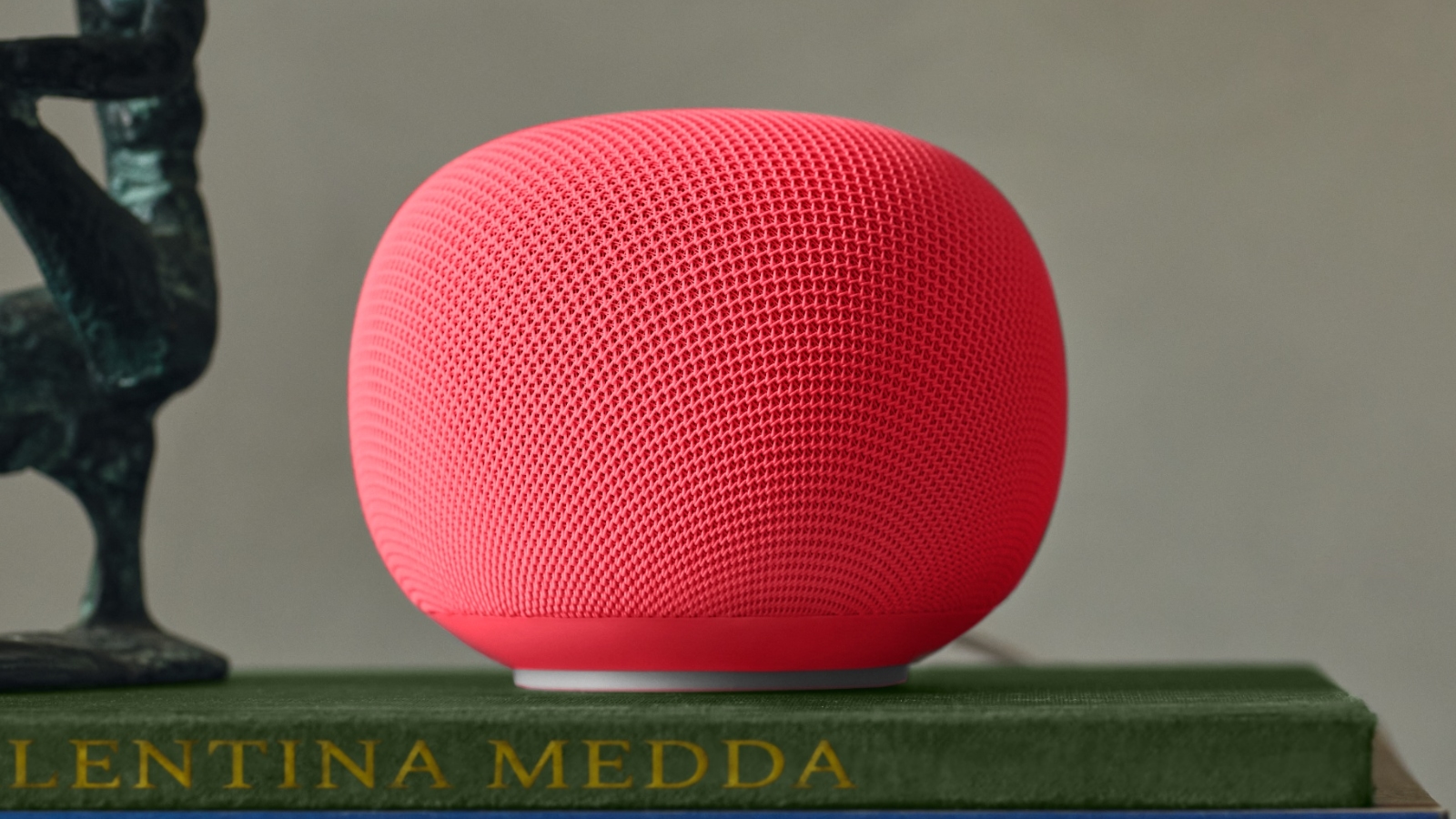
Google’s first consumer speaker powered by its next-generation Gemini AI has been one of the tech world’s most anticipated launches of 2026—but as of this week, the company has yet to confirm even a tentative release date. What began as a tease in late 2025 has now stretched into a months-long delay, leaving tech enthusiasts and industry analysts scrambling for answers. The uncertainty isn’t just about timing; it’s about what this speaker could redefine for smart home ecosystems, voice-controlled assistants, and the future of Google’s AI ambitions. With rumors swirling about a potential spring launch—now pushed back indefinitely—and no official statement from Google, here’s what we know, what we don’t, and why this matters for consumers and competitors alike.
At the heart of the delay lies Google’s Gemini AI, the company’s most advanced large language model to date. Unlike previous iterations of Google Assistant, which relied on cloud-based processing, Gemini is designed to run significant workloads locally—on-device—promising faster response times, enhanced privacy, and seamless integration with other Google services like Nest smart home devices and Google Ads. Early leaks suggested the speaker would debut as early as spring 2026, but those timelines have since evaporated. Industry insiders, speaking on condition of anonymity, cite internal challenges in optimizing Gemini’s performance for real-time audio processing—a critical hurdle for a speaker that could set the standard for future voice AI devices.
So why does this matter beyond the tech community? For consumers, a Gemini-powered speaker could mark a turning point in how we interact with smart devices. Imagine asking your speaker to summarize a meeting while also controlling your lights, all without sending your data to the cloud. For Google, this launch is a litmus test for its broader AI strategy: Can it compete with Amazon’s Echo and Apple’s HomePod in a market where voice assistants are increasingly tied to broader ecosystems? And for competitors, the delay raises questions about whether Google is prioritizing enterprise applications of Gemini—like those recently announced for Vertex AI—over consumer-facing products.
What We Know (and Don’t Know) About Google’s Gemini Speaker
The most concrete detail remains the existence of the product. Google has not denied reports of a Gemini-powered speaker, but it has also not confirmed its release. In October 2025, The Verge first highlighted leaks suggesting a spring 2026 launch, citing sources familiar with Google’s product roadmap. Those sources described a device that would combine high-fidelity audio with Gemini’s contextual understanding—meaning it could, for example, recognize and respond to nuanced requests like, “Play my workout playlist from last Tuesday, but skip the songs over 120 BPM.”


Yet as of April 2026, Google has not issued a single public statement about the speaker’s status. The company’s official blog remains silent on the topic, and its Google Nest Help Center offers no mention of an upcoming AI-powered device. This radio silence has fueled speculation that the project may have been deprioritized in favor of other initiatives, such as Google’s push into generative AI for developers or its ongoing legal battles over data privacy.
One factor that hasn’t been publicly addressed is the hardware design. Early renderings suggested a sleek, minimalist form factor—possibly with a fabric or glass finish—to align with Google’s Nest Audio line. However, industry analysts like CNET’s Todd Haselton have noted that local AI processing requires more powerful (and thus bulkier) components than traditional cloud-based assistants. This could explain why some leaks described the device as “larger than expected,” though no official specifications have been released.
Why the Delay? Possible Reasons Behind the Hold-Up
Several factors could be contributing to the delay, each with implications for Google’s broader strategy:
- AI Optimization Challenges: Gemini’s on-device capabilities are still in their infancy. While Google has demonstrated impressive performance in benchmarks like the Gemini API, translating that into a real-time, consumer-friendly audio experience is non-trivial. “The biggest hurdle isn’t the AI itself—it’s making it feel instantaneous,” says Engadget’s Rich Brown, who has tracked Google’s AI development closely. “Latency is everything in voice interactions, and Gemini’s local processing isn’t quite there yet.”
- Competitive Pressure: Amazon’s Echo Studio and Apple’s HomePod have dominated the premium smart speaker market for years. Google may be taking extra time to ensure its Gemini speaker doesn’t just compete but redefines the category. “They’re not just racing to market—they’re racing to set the standard,” says The Wall Street Journal’s Joanna Stern.
- Regulatory Scrutiny: With AI under increasing regulatory scrutiny—especially in the EU with the AI Act—Google may be delaying to ensure compliance. While the speaker itself may not trigger major regulatory hurdles, its integration with Gemini’s broader AI systems could require additional vetting.
- Supply Chain and Manufacturing: Like many tech companies, Google has faced supply chain disruptions that could impact production timelines. A Gemini-powered speaker would likely require custom silicon, adding another layer of complexity.
What This Means for Consumers and the Smart Speaker Market
For consumers, the delay is a double-edged sword. On one hand, a rushed product could mean bugs, poor performance, or even privacy concerns—especially given Gemini’s reliance on on-device data processing. A well-polished Gemini speaker could redefine what smart speakers can do, moving beyond simple music playback and smart home control to true contextual understanding.
Consider the implications:
- Privacy Advocates may see this as a step forward, as local AI processing reduces the need for cloud-based voice data storage. However, concerns remain about how Google handles user data even in on-device scenarios.
- Smart Home Enthusiasts could benefit from deeper integration with Google’s ecosystem, including Nest thermostats and Google Maps for location-based commands.
- Developers and Businesses might gain access to Gemini’s APIs for custom voice applications, though Google has yet to confirm if this will be a consumer-facing feature.
For the broader smart speaker market, the delay could give competitors an opening. Amazon and Apple have already begun teasing their own AI upgrades, with rumors of Amazon’s “Alexa Next” and Apple’s HomePod AI enhancements expected later this year. If Google’s speaker misses its window, it risks ceding ground to rivals who may offer similar (or even superior) features first.
When Can We Expect an Official Announcement?
Google’s next major product event is the Google I/O developer conference, scheduled for May 14–16, 2026, in Mountain View, California. While past I/O events have focused heavily on AI and hardware, there’s no guarantee the Gemini speaker will debut there—especially given the current uncertainty. However, it remains the most likely venue for an announcement, if one comes at all.

In the absence of official updates, here’s how to stay informed:
- Follow Google’s official blog for product announcements.
- Monitor Google Nest’s social media channels for teasers.
- Check The Verge’s Google coverage for the latest leaks, and analysis.
- Watch for Google Ads or search result updates, which sometimes hint at upcoming products.
Key Takeaways
- Google’s first Gemini-powered speaker has not been officially announced, despite earlier leaks suggesting a spring 2026 release.
- The delay may stem from AI optimization challenges, competitive pressures, or regulatory hurdles.
- If released, the speaker could redefine smart home interactions with local AI processing, but privacy and performance remain open questions.
- The next likely announcement window is Google I/O in May 2026, though no confirmation exists.
- Consumers should watch for updates on Google’s official blog and reliable tech outlets.
As we wait for clarity, one thing is certain: The stakes for Google’s Gemini speaker are higher than ever. Whether it becomes a game-changer or a footnote in the smart speaker wars will depend on how well the company balances innovation with execution. For now, all we can do is watch—and listen for updates.
What do you think? Will Google’s Gemini speaker finally redefine smart speakers, or will it get lost in the shuffle? Share your thoughts in the comments below, and don’t forget to follow World Today Journal’s Tech coverage for the latest developments.
Keep reading
- Apple gears up for massive iPhone 18 event with retail employee lottery
- NFT Market Trends: Polygon and Courtyard Gain Momentum Amid Price Drop
- Galaxy S25 One UI 9 Beta Nears India Release As Samsung Activates Page (archyworldys.com)
- Man Utd Pursue Lewis Hall: Transfer Race and Release Clause Updates (archynewsy.com)