
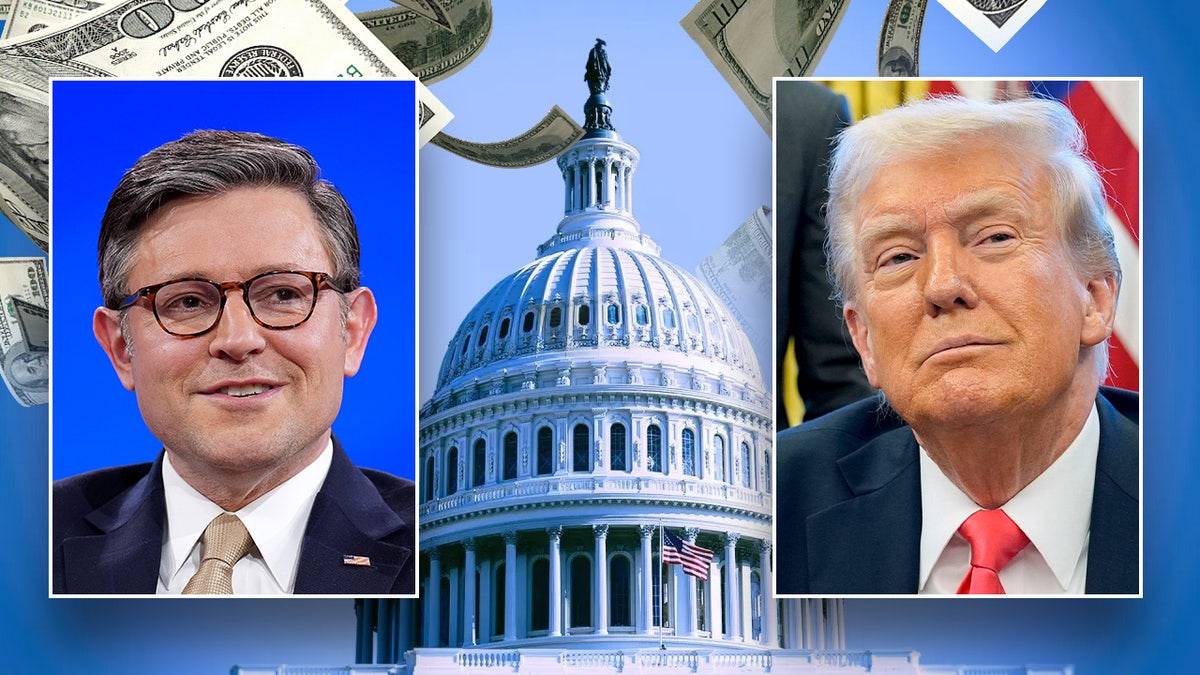
As the United States navigates a deepening legislative crisis, the internal fractures within the Republican party are becoming increasingly visible. On Wednesday, April 15, 2026, the tension reached a critical point as GOP leaders were forced to delay a pivotal vote on the Foreign Intelligence Surveillance Act (FISA) amid an escalating GOP rebellion Politico. The delay highlights a growing disconnect between the party’s leadership and a faction of holdouts who are resisting the current trajectory of the administration.
This internal friction arrives at a moment of high stakes for Republican party dynamics and 2026 midterm prospects. Whereas Speaker Mike Johnson and White House officials continue to scramble for an agreement to quell the rebellion, the public image of the party remains a complex study in contradictions. Just 24 hours prior, the administration attempted to project an image of absolute cohesion, hosting a high-profile gathering of Senate Republicans to signal strength in the face of a continuing government shutdown.
The duality of these events—a public display of unity on one hand and a legislative rebellion on the other—raises significant questions about the party’s ability to maintain discipline. For a global audience watching the American political landscape, the current stalemate over both FISA and the federal budget suggests a party struggling to balance the demands of its most ardent supporters with the practical requirements of governing.
The FISA Rebellion and Legislative Paralysis
The delay of the FISA vote on April 15, 2026, serves as a stark indicator of the volatility currently residing within the House GOP. Speaker Mike Johnson is currently engaged in intense negotiations, working alongside White House officials to strike a deal with GOP holdouts who have blocked the path forward Politico. This “GOP rebellion” suggests that the consensus required to pass critical national security legislation is fraying.

The Foreign Intelligence Surveillance Act is a cornerstone of U.S. Intelligence gathering, and the inability to secure a vote reflects a broader legislative stalemate. When a party cannot align its own members on security mandates, it often signals deeper ideological divides that can bleed into general election cycles. For those analyzing the 2026 midterm prospects, this inability to project a unified legislative front may be viewed as a vulnerability.
The holdouts in the House are not merely disagreeing on the technicalities of the bill; they are challenging the leadership’s approach to the administration’s priorities. This internal friction creates a precarious environment for Speaker Johnson, who must navigate the narrow margins of his majority while attempting to satisfy both the White House and the rebellious wing of his caucus.
The Rose Garden Strategy: Unity Amidst Shutdown
Contrastingly, the atmosphere at the White House has been one of choreographed solidarity. On Tuesday, April 14, 2026, President Donald Trump welcomed Senate Republicans to the White House Rose Garden MSN. The event took place against the backdrop of a government shutdown that continues to disrupt federal operations.

Observers noted that the gathering was not designed as a negotiation to conclude the shutdown, but rather as a strategic display of unity against Democrats Federal News Network. Senate Republicans utilized the platform to project a unified front, explicitly refusing to yield to Democratic demands regarding health policy MSN.
The setting—a renovated White House—served as a visual metaphor for the administration’s focus on image and presence even as the machinery of government remains stalled Federal News Network. By prioritizing a “display of unity” over the immediate resolution of the budget crisis, the administration is betting that a firm stance against the opposition will resonate more with the base than the pragmatism of ending the shutdown.
Analyzing the Impact on 2026 Midterm Prospects
The divergence between the Senate’s public unity and the House’s internal rebellion creates a volatile environment for the GOP. While the Rose Garden event sought to demonstrate strength, the simultaneous delay of the FISA vote reveals a House in turmoil. This disconnect is a central concern for strategists eyeing the 2026 midterm prospects, as voters often penalize parties that appear unable to govern effectively.
The government shutdown further complicates this picture. While some spot the refusal to yield to Democratic demands as a sign of strength, prolonged shutdowns can lead to public fatigue and economic instability. The tension between maintaining ideological purity and achieving legislative success is the primary struggle currently facing the Republican leadership.
Key factors influencing the current political climate include:
- Legislative Deadlock: The inability to pass FISA legislation due to internal GOP rebellion.
- Budgetary Stalemate: A continuing government shutdown and a refusal to compromise on health-related demands.
- Leadership Pressure: Speaker Mike Johnson’s ongoing struggle to unify a fractured House majority.
- Image Management: The utilize of high-profile events, such as the Rose Garden meeting, to mask internal divisions.
What This Means for the Global Stage
For international partners, the American legislative stalemate is more than a domestic political skirmish. The delay in FISA renewals can impact intelligence sharing and global security cooperation. When the U.S. Government is shut down and its legislative body is paralyzed by internal rebellion, it can project an image of instability to the rest of the world.
The global community monitors these developments to gauge the reliability of U.S. Commitments. A government that cannot fund itself or agree on basic surveillance laws may be perceived as less capable of leading on the international stage, regardless of the “unified front” projected in the Rose Garden.
Looking Ahead: The Next Checkpoints
The immediate future of the GOP’s legislative agenda depends on whether Speaker Mike Johnson and White House officials can successfully negotiate with the House holdouts. The primary focus remains the rescheduled FISA vote and the resolution of the government shutdown.
The next critical checkpoint will be the announcement of a recent date for the FISA vote, provided an agreement is reached between leadership and the rebellious faction. Any shift in the Senate’s position regarding Democratic health demands will be a key indicator of whether the “unity” displayed at the White House will translate into a legislative breakthrough or a continued stalemate.
World Today Journal encourages readers to share this report and join the conversation in the comments below. How do you believe internal party divisions affect national stability?