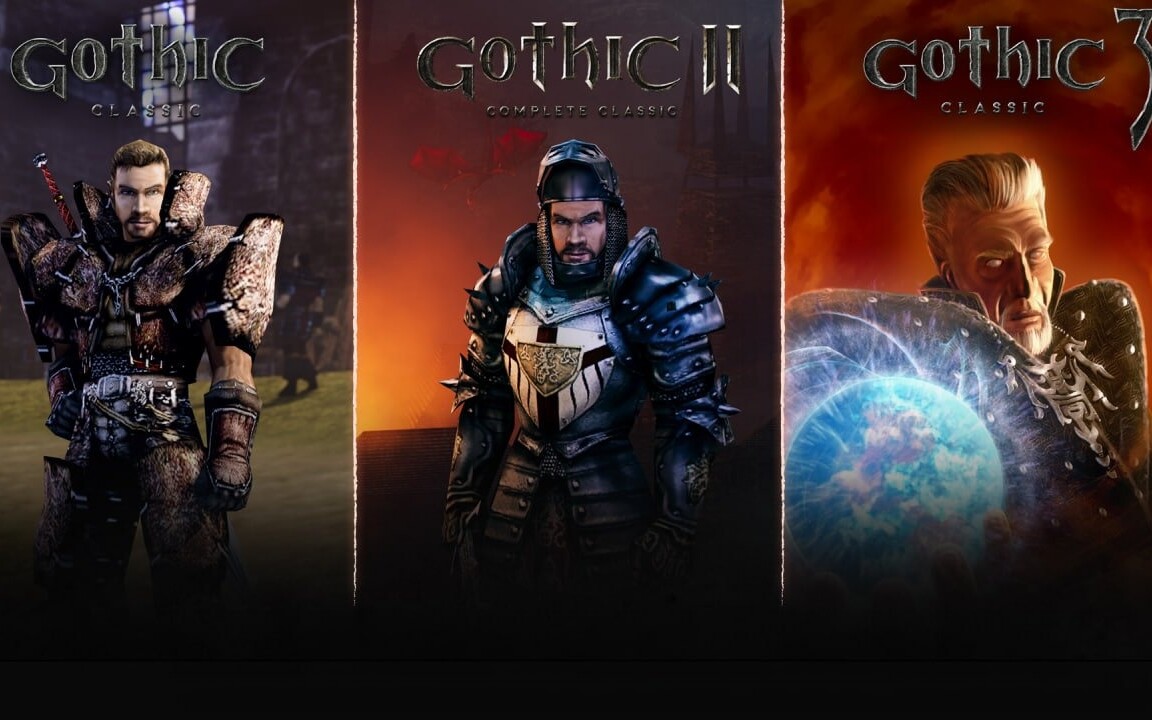
The gaming world is seeing a resurgence of interest in one of the most influential series of the early 2000s. The Gothic trilogy is coming to consoles, marking a significant milestone for fans of the dark, atmospheric RPG series originally developed by Piranha Bytes.
For over two decades, the Gothic series has been revered for its complex world-building and uncompromising difficulty. The transition to modern console hardware represents a bridge between the nostalgic experience of the original PC releases and the accessibility of current-generation gaming systems.
This move comes amid a broader trend of reviving legacy titles through remakes, and ports. As the industry shifts toward high-fidelity reimagining of classics, the Gothic series is positioning itself to introduce a fresh generation of players to its intricate storytelling and immersive gameplay mechanics.
The Evolution of the Gothic Franchise
To understand the impact of the Gothic trilogy’s move to consoles, one must look at the history of its development. The series was born from the creative vision of Piranha Bytes, a studio that established a distinct style of open-world RPGs. Over the years, this evolution extended beyond the original titles to include other projects like Risen and Elex, which shared similar DNA in terms of exploration and character progression.
The legacy of the series has been documented through retrospectives highlighting nearly two decades of growth in the studio’s approach to game design. This evolution is captured in community discussions and video analyses that track the transition from the original 2001 release to the modern era.
The development path has not always been linear. While Piranha Bytes released a Gothic game in 2006 according to community records, other studios have also played a role in the franchise’s history. For instance, Trine Games developed a Gothic project in 2008, and Spellbound Entertainment continued work on the series in 2010 to meet specific project goals.
Gothic 1 Remake: Modernizing a Classic
A central piece of the current excitement is the Gothic 1 Remake. This project aims to bring the original’s gritty atmosphere and challenging systems into a modern technical framework. Recent gameplay reveals and preorder trailers have provided a glimpse into how the “dark classic” has been updated for today’s hardware, including updated visuals and revised gameplay perspectives.
However, the remake process has not been without scrutiny. Within the gaming community, discussions have surfaced regarding whether the new version captures the authentic sense of the original Piranha Bytes experience. Some players on platforms like Steam have questioned if the current development team’s direction aligns with the spirit of the original creators as seen in community forums.
These discussions highlight the delicate balance developers face when updating a cult classic: maintaining the “soul” of the original game while removing the technical frustrations of twenty-year-old software. The remake’s reception will likely depend on how well it preserves the original’s sense of progression and the oppressive, yet rewarding, nature of its world.
Technical Requirements and Accessibility
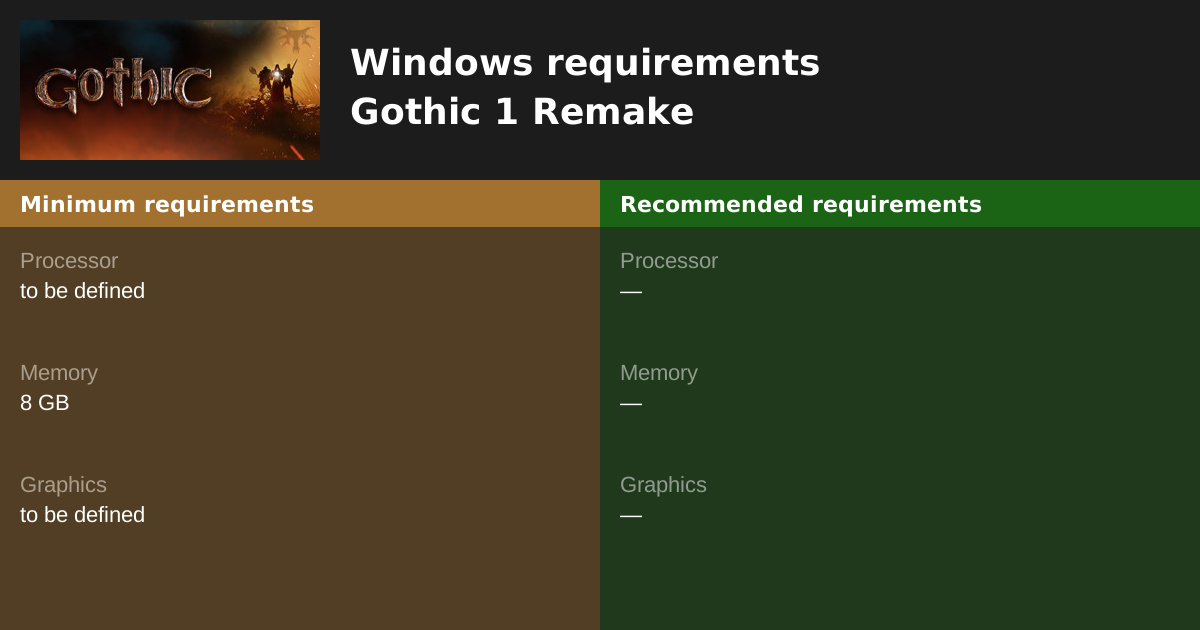
As the Gothic 1 Remake moves toward its release, hardware requirements have become a point of focus for PC players, while console players await the optimization for their respective systems. The goal is to ensure that the immersive world—characterized by its dense forests and fortified camps—runs smoothly without compromising the artistic vision of a bleak, dangerous land.
What This Means for the RPG Genre
The arrival of the Gothic trilogy on consoles is more than just a port; It’s a test of whether the “old school” RPG philosophy—where the player is not the “chosen one” but a struggling survivor—still resonates with a modern audience accustomed to more guided experiences.
By bringing these titles to consoles, the publishers are expanding the reach of a series that was previously locked behind PC compatibility and often required community patches to run on modern Windows versions. This democratization of the experience allows for a wider demographic to engage with the series’ unique approach to faction dynamics and environmental storytelling.
The impact on the industry may be seen in how other legacy RPGs are handled. If the Gothic trilogy succeeds in capturing a modern audience on consoles, it could signal a higher demand for “uncompromising” RPGs that prioritize world-simulation and consequence over streamlined user experiences.
Key Takeaways for Players
- The complete Gothic trilogy is transitioning to console platforms, expanding accessibility beyond the original PC audience.
- The Gothic 1 Remake is a primary focus, featuring updated graphics and gameplay, though it remains a subject of debate regarding its authenticity to the original’s feel.
- The franchise’s history involves multiple studios, including Piranha Bytes, Trine Games, and Spellbound Entertainment.
- The move to consoles aims to introduce the series’ unique “survivor” RPG mechanics to a new generation of gamers.
While specific release dates and pricing for the console versions have been discussed in regional reports, players are encouraged to monitor official channels for the final global rollout schedule. The next major milestone will be the official launch of the Gothic 1 Remake, which will serve as the bellwether for the rest of the trilogy’s console journey.
Do you think the “hardcore” nature of the original Gothic games will translate well to a console audience? Let us know your thoughts in the comments below and share this article with your fellow RPG enthusiasts.
Keep reading