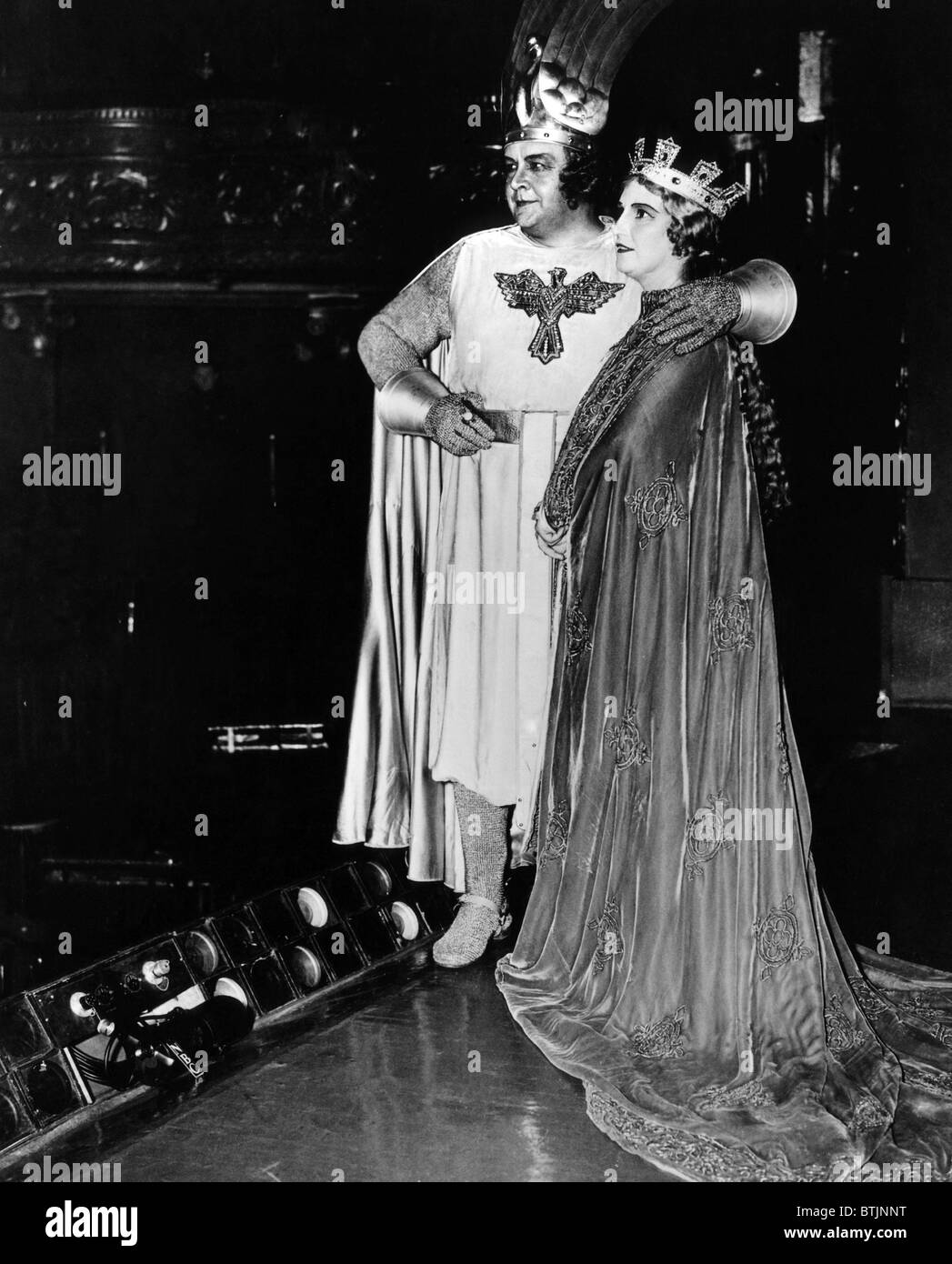
The recording of the prologue to Richard Wagner’s Götterdämmerung, featuring soprano Kirsten Flagstad and tenor Lauritz Melchior, remains a definitive artifact of 20th-century operatic performance. Conducted by Edwin McArthur with the San Francisco Opera Orchestra, the performance of the scene “Zu neuen Taten, teurer Helde” captures a collaboration between two of the most significant Wagnerian singers of the era. According to historical archives, these recordings reflect the high-water mark of the Wagnerian tradition as it was interpreted on the American stage during the late 1930s and early 1940s.
Kirsten Flagstad, a Norwegian soprano, and Lauritz Melchior, a Danish tenor, were frequent partners at the Metropolitan Opera and other major houses, establishing a standard for the roles of Brünnhilde and Siegfried. The specific collaboration with the San Francisco Opera Orchestra under Edwin McArthur serves as a primary reference for listeners exploring the vocal nuances of the Ring Cycle. Records from the San Francisco Opera note that the company played a central role in bringing these artists together for audiences on the West Coast, where their partnership became a cornerstone of the city’s operatic history.
The Partnership of Flagstad and Melchior
Kirsten Flagstad’s vocal power and precision, combined with the heldentenor capabilities of Lauritz Melchior, defined the interpretation of Wagnerian roles for a generation. Historical documentation from the Metropolitan Opera Archives indicates that the duo performed together in dozens of productions, with their chemistry in the Ring cycle often cited by critics as a benchmark for vocal stamina and dramatic intensity. The prologue to Götterdämmerung, specifically the duet “Zu neuen Taten,” requires a seamless transition from the lyrical intimacy of the characters’ parting to the heroic scale of the drama that follows.
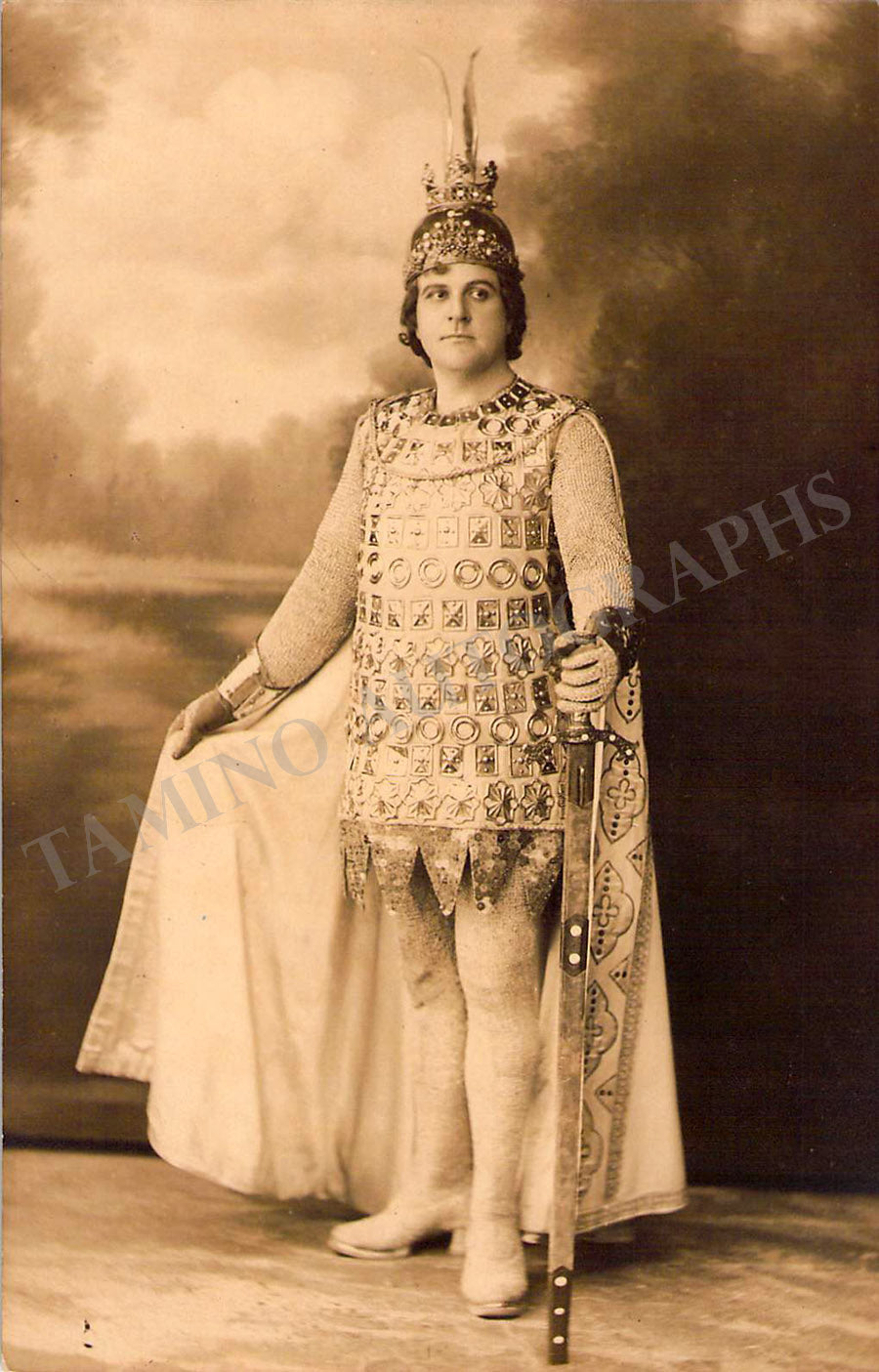
Edwin McArthur, who served as a frequent collaborator and conductor for Flagstad, played a significant role in shaping the orchestral support for these vocal performances. While McArthur was sometimes criticized by contemporary musicologists for his reliance on his association with Flagstad, he remained a consistent presence in her recording sessions. The San Francisco Opera Orchestra, during this period, provided the necessary scale to match the demands of Wagner’s complex orchestration, ensuring that the vocal lines remained audible despite the density of the score.
Historical Context of the Performance
The era surrounding these recordings was marked by significant geopolitical shifts, which frequently influenced the movement and availability of European operatic stars. Following the outbreak of World War II, many artists, including Flagstad and Melchior, maintained their careers primarily in North America. According to the Library of Congress, the preservation of these performances during the 1940s allowed for the wider dissemination of Wagnerian opera at a time when European theaters were largely shuttered or restricted.
The technical limitations of the recording equipment at the time meant that the balance between the San Francisco Opera Orchestra and the soloists was often challenging to achieve. Despite these constraints, the clarity of the vocal performances has allowed the recordings to be remastered and studied by subsequent generations of singers. The “Zu neuen Taten” excerpt remains a focal point for those interested in the evolution of Wagnerian singing styles, particularly the shift toward a more modern, focused vocal production.
Legacy and Musical Significance
For modern listeners, the recordings of Kirsten Flagstad and Lauritz Melchior serve as a bridge to a period of vocal performance that prioritized volume and endurance. The Götterdämmerung prologue demonstrates the specific vocal requirements for the Brünnhilde and Siegfried roles, which remain among the most demanding in the operatic canon. The San Francisco Opera continues to maintain archives of its historical performances, which document the evolution of its orchestra and the guest artists who defined its mid-century output.
The interpretation of the text, or Songtexte, during this period was characterized by a strict adherence to the German libretto, with an emphasis on the clarity of the declamation. Flagstad’s ability to sustain long, legato phrases while maintaining the power necessary for the role of Brünnhilde remains a subject of study in vocal pedagogy. Similarly, Melchior’s unique timbre, often described in historical reviews as possessing a distinctively bright and heroic quality, set the standard for the Siegfried role for decades.
Accessing Historical Records
Those seeking to hear these specific recordings can often find them through university library databases or specialized archival collections dedicated to 20th-century opera. While physical media such as vinyl and early shellac discs are the primary sources for the original recordings, many have been transferred to digital formats by preservation societies. Researchers interested in the specific performance history of the San Francisco Opera can consult the company’s official records, which provide detailed accounts of the repertoire performed during the tenure of various music directors.
The collaboration between Flagstad, Melchior, and McArthur remains a fixed point in the history of the San Francisco Opera. Future scholarship is expected to continue focusing on the technical aspects of these early recordings, particularly how the acoustic environment of the performance space influenced the final output. Readers are encouraged to check local library holdings or reputable digital archives for the most complete, remastered versions of these historic sessions.
This report serves as a summary of the historical record regarding these performances. Please feel free to share your thoughts or additional information regarding archival recordings in the comments section below.
Related reading