Thailand Pauses 1.6 Billion Baht ‘TH-AI Passport’ Project to Address Scrutiny Over Privacy and Transparency
In a move that signals a cautious approach to the rapid digitization of state services, the Thai government has announced a formal review of its ambitious 1.6-billion-baht “TH-AI Passport” project. The decision comes as the initiative faces mounting pressure from civil society, policy experts and digital rights advocates who have raised significant concerns regarding the project’s implementation framework.
The TH-AI Passport, intended to integrate artificial intelligence into the nation’s digital identity and travel documentation infrastructure, was designed to streamline government services and enhance border security. However, the project has become a focal point for debates surrounding the ethics of AI procurement and the protection of citizen data. By pledging to gather more input before proceeding, officials are attempting to navigate a complex landscape of technological advancement and public trust.
The review is expected to address three primary pillars of concern: the transparency of the procurement process, the demonstrable value for money provided by the 1.6-billion-baht investment, and the rigorous protection of sensitive biometric and personal data. For a global audience, this development reflects a broader, international tension as governments worldwide attempt to modernize through AI while grappling with the legal and social implications of automated identity management.
The Three Pillars of Scrutiny: Transparency, Cost, and Privacy
The decision to pause the TH-AI Passport project is not merely a procedural delay; We see a response to a multifaceted critique of how large-scale technological projects are managed in the digital age. The scrutiny can be categorized into three distinct areas of concern that are common to high-stakes government tech initiatives.
1. Transparency in Procurement
A significant portion of the criticism directed at the TH-AI Passport involves the transparency of the selection process for technology providers and contractors. In large-scale AI projects, the “black box” nature of the algorithms used can often obscure how vendors are chosen and how much influence specific private entities have over public infrastructure. Critics are calling for clearer documentation on the bidding process to ensure that the 1.6-billion-baht allocation is managed through open and competitive channels.

2. Value for Money and Fiscal Accountability
With a budget of 1.6 billion baht, the project has drawn intense questioning regarding its economic justification. Skeptics have questioned whether the projected efficiencies of an AI-driven passport system outweigh the massive capital expenditure. The ongoing review aims to provide a more granular breakdown of how these funds will be utilized and whether the long-term benefits to the Thai economy and administrative efficiency justify the initial outlay.
3. Data Privacy and Biometric Security
Perhaps the most sensitive issue is the protection of personal data. An AI-driven identity system inherently relies on the collection and processing of biometric data—such as facial recognition and fingerprint patterns. The scrutiny here focuses on how this data will be stored, who will have access to it, and the safeguards in place to prevent unauthorized leaks or state surveillance abuses. As digital identity becomes a cornerstone of modern governance, the stakes for data security have never been higher.
Navigating the Data Privacy Minefield
The concerns regarding the TH-AI Passport are deeply intertwined with Thailand’s legal framework for data protection. The implementation of any AI-driven identity system must strictly adhere to the Personal Data Protection Act (PDPA), which governs how personal information is collected, used, and disclosed.
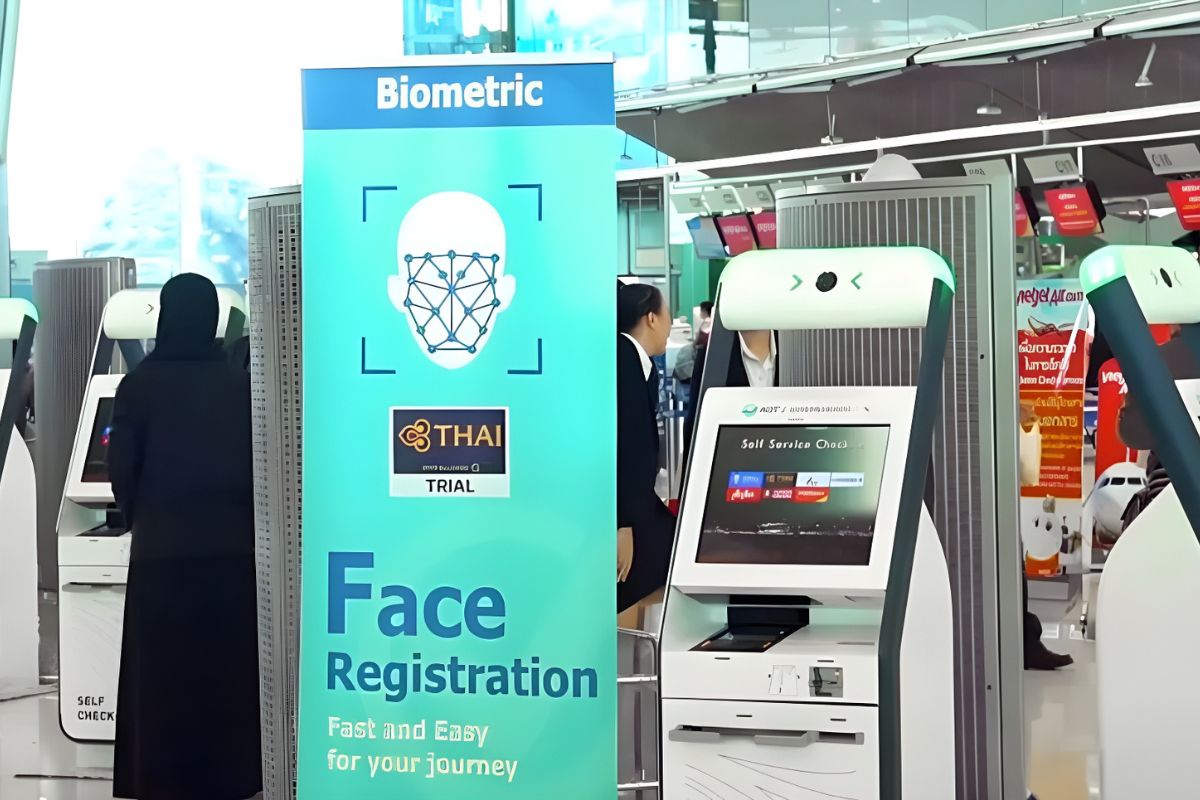
Experts note that AI systems present unique challenges to PDPA compliance. Unlike traditional databases, AI models can sometimes “learn” and retain patterns from the data they process, potentially making it difficult to ensure the “right to be forgotten” or to prevent the unintended re-identification of anonymous data. The government’s pledge to gather more input suggests a recognition that existing privacy safeguards may need to be bolstered specifically for AI-integrated systems to prevent large-scale breaches of citizen trust.
The review process will likely investigate whether the TH-AI Passport architecture includes “privacy by design”—a principle where data protection is integrated into the technology from the very beginning of the development cycle, rather than being added as an afterthought. This includes implementing end-to-end encryption, strict access controls, and regular independent audits of the AI algorithms.
The Broader Context: Digital Modernization vs. Governance
The TH-AI Passport project is part of a wider push within Thailand to accelerate its digital economy and modernize its administrative capabilities. This trend is visible globally, from the European Union’s efforts in digital ID wallets to various smart-city initiatives in Asia. However, the Thai experience highlights a recurring theme in the digital transformation of the state: technology often moves faster than the regulatory and ethical frameworks required to manage it.

When governments deploy AI for identity management, they are not just buying software; they are altering the social contract between the state and the citizen. The efficiency gained through automation must be balanced against the potential for algorithmic bias and the loss of individual privacy. The decision to review the 1.6-billion-baht project suggests that the Thai government is acutely aware that without public consensus and robust oversight, even the most technologically advanced projects can face significant social and political resistance.
Key Takeaways from the Project Review
- Current Status: The TH-AI Passport project is officially under review, with a pause on further implementation.
- Financial Scope: The project involves a significant government investment of 1.6 billion baht.
- Primary Concerns: Scrutiny is focused on procurement transparency, fiscal value, and biometric data privacy.
- Regulatory Focus: Compliance with the Personal Data Protection Act (PDPA) is a critical factor in the review.
- Objective: The government aims to gather more stakeholder input to ensure the project meets public and legal standards.
What Happens Next?
The immediate next step for the government is the formal consultation phase. This will involve gathering feedback from a diverse range of stakeholders, including technical experts, privacy advocates, legal scholars, and members of the public. The results of these consultations are expected to form the basis of a revised implementation roadmap for the TH-AI Passport.
Industry analysts will be watching closely to see if the government introduces new oversight mechanisms or if the project’s scope is adjusted to lower costs and enhance security. The outcome of this review will serve as a significant litmus test for how Thailand manages the intersection of artificial intelligence and public administration.
As this story develops, World Today Journal will continue to monitor official government filings and expert analysis regarding the TH-AI Passport review.
What are your thoughts on government-led AI identity projects? Do you believe the benefits of efficiency outweigh the privacy risks? Let us know in the comments below and share this article to join the conversation.
Related reading