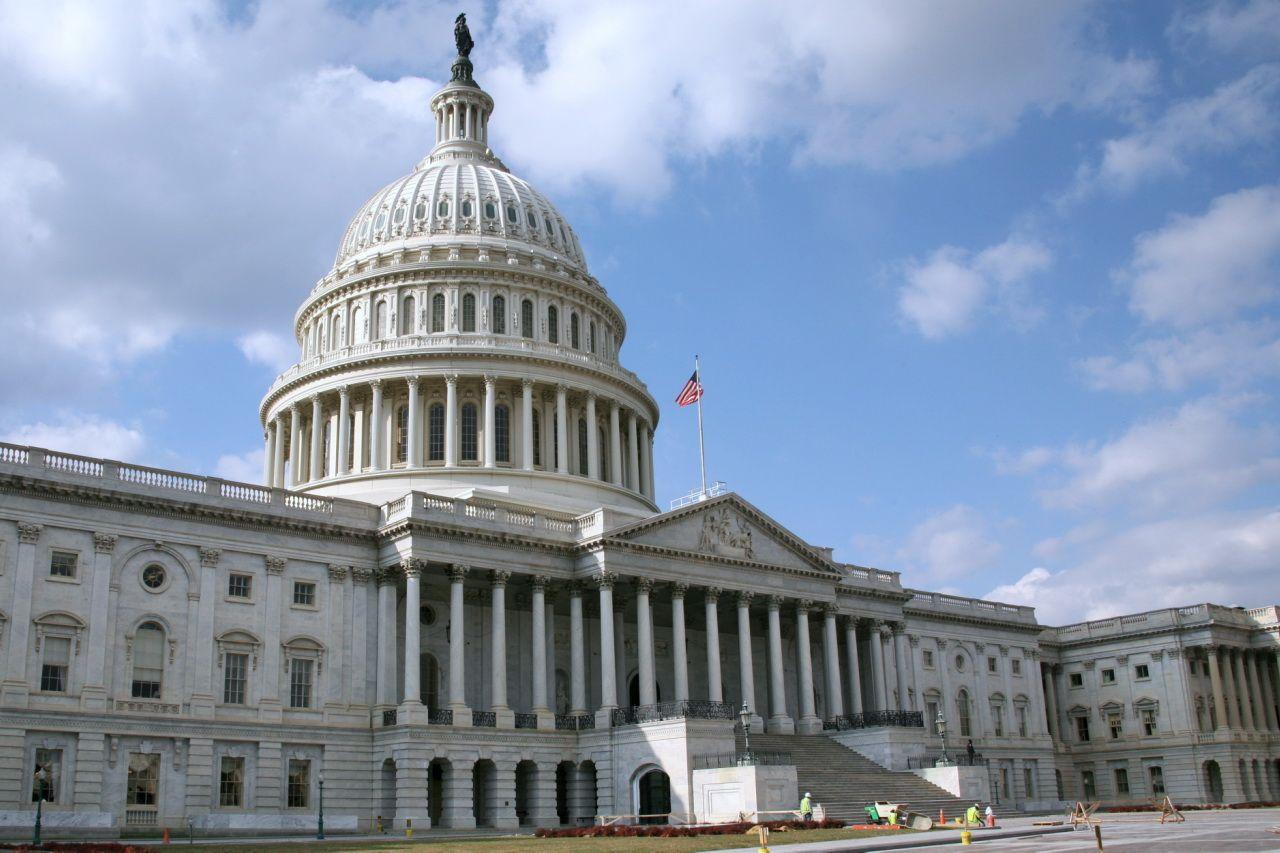
The Bulgarian government has signaled a firm shift in its oversight of the national energy sector, announcing plans to initiate legal proceedings against oil traders suspected of engaging in fuel hoarding. The move comes in response to a volatile period in March, when the country experienced significant disruptions in its fuel supply chain, characterized by shortages that impacted both logistics and retail availability.
The decision to pursue legal action, as announced by the Minister of Justice, targets specific entities accused of withholding diesel and other petroleum products. According to government statements, these supplies were allegedly held back on transport vessels and commercial trucks during a time of heightened market pressure. This intervention is part of a broader effort to stabilize the domestic energy landscape and ensure that market practices align with national regulatory requirements.
Addressing Market Disruptions and Fuel Security
The events of March underscored the vulnerability of Bulgaria’s fuel distribution network to sudden supply chain bottlenecks. Fuel hoarding—the practice of deliberately restricting the release of inventory to capitalize on price fluctuations or supply scarcities—has been identified by authorities as a primary contributor to the crisis. By keeping diesel supplies in transit on trucks and boats rather than delivering them to storage facilities or service stations, traders effectively tightened the market, forcing prices upward and creating panic among consumers and logistics operators.

The Ministry of Justice has emphasized that this conduct not only violates fair trade principles but also threatens national economic stability. The upcoming legal actions are expected to focus on identifying the specific actors responsible for the maneuvers and assessing the extent of the damage caused to the public interest. This development follows ongoing scrutiny of the energy sector, which has faced complex challenges regarding infrastructure and geopolitical influence, as noted in reports on the governance of strategic energy assets.
The Regulatory Landscape and Accountability
Bulgaria’s approach to energy market regulation involves a complex interplay between local law enforcement and international oversight bodies. The current investigation into fuel hoarding is distinct from, yet parallel to, other significant probes involving the nation’s energy infrastructure. As authorities move forward, the legal focus will likely center on whether the actions of these oil traders constituted market manipulation or a breach of essential service obligations.
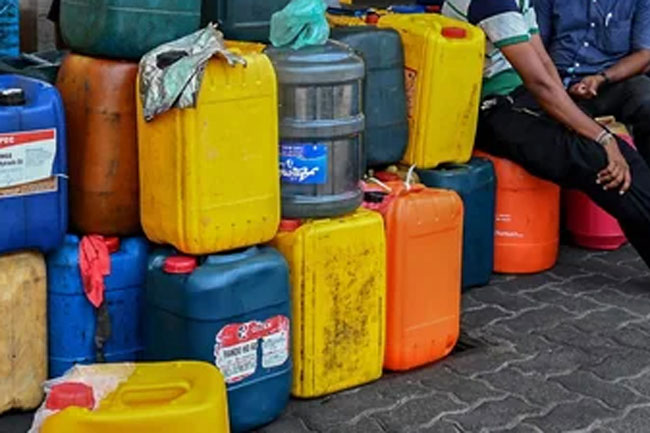
The government’s decision to prosecute reflects a growing intolerance for practices that undermine the stability of the European energy market. While the specific details of the pending cases remain under judicial review, the Minister of Justice has maintained that those found in violation of the law will face the full extent of the statutory penalties. This enforcement strategy is designed to deter future attempts at market distortion and to reinforce the government’s commitment to transparent energy policy.
Key Focus Areas for the Upcoming Legal Proceedings
- Investigation of Supply Chains: Authorities are tracing the movement of fuel shipments from March to identify where and for how long supplies were held in stationary transport vehicles.
- Market Manipulation Charges: Prosecutors are reviewing evidence to determine if the hoarding was coordinated to artificially induce scarcity.
- Regulatory Compliance: Legal teams are evaluating existing trade licenses held by the involved companies to determine if their operational conduct warrants suspension or revocation.
Next Steps in the Judicial Process
The government has indicated that the gathered evidence is currently being processed by the Prosecutor’s Office, with formal charges expected to be filed in the coming weeks. Legal experts anticipate that these cases will serve as a bellwether for how the state handles private sector interference in critical infrastructure sectors. The next official update is expected upon the completion of the current investigative phase, at which point the Ministry of Justice will hold a briefing on the filing of formal indictments.
As this situation develops, the impact on regional fuel prices and supply chain logistics will continue to be monitored by both domestic regulators and European energy agencies. We invite our readers to share their insights and experiences regarding the March fuel crisis in the comments section below. Stay tuned to World Today Journal for further updates on these proceedings as they become available.