
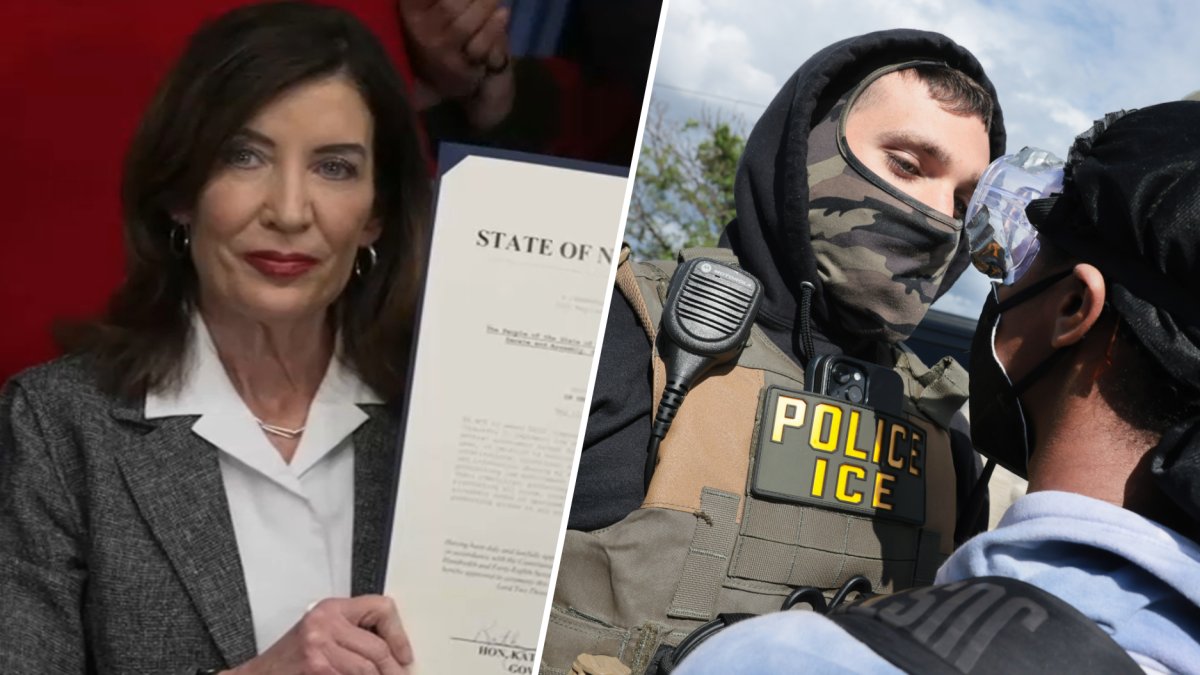
New York Governor Kathy Hochul has enacted a comprehensive legislative package aimed at establishing some of the most stringent state-level protections in the United States regarding federal immigration enforcement. The measures, which were integrated into the state’s Fiscal Year 2027 budget, are designed to restrict the involvement of local agencies in federal civil immigration actions while bolstering legal safeguards for immigrant communities, students, and families across the state.
The legislative shift comes amid ongoing national discourse regarding the role of local law enforcement in federal immigration policy. In announcing the initiative, Governor Hochul emphasized that the state’s objective is to ensure that local resources remain dedicated to community safety and public services. “Blatant abuses of power by ICE will not be tolerated in New York,” the Governor stated during the legislative rollout.
For New York residents, the new law represents a significant restructuring of how state and local institutions interact with federal immigration authorities. By limiting the scope of cooperation, the administration aims to create a clear separation between local policing duties and federal civil enforcement, a move that supporters argue will foster greater trust between immigrant populations and public service providers.
Restricting Local Cooperation and Expanding Accountability
A central pillar of the new policy is the prohibition of 287(g) agreements. These agreements, which have historically allowed local law enforcement officers to perform specific federal civil immigration enforcement duties, are now banned across New York. By ending these partnerships, the state seeks to ensure that local police remain focused on local criminal matters rather than federal immigration investigations.
The legislation also places significant restrictions on the use of public resources. Local governments are now barred from providing funding for immigration detention centers, and new zoning regulations have been implemented to prevent the expansion or creation of such facilities without public input. This move is intended to ensure that local communities maintain control over the development and utilization of public land and financial resources.
the law introduces a novel legal pathway that allows individuals to sue federal officials for alleged violations of constitutional rights. By closing what proponents describe as a legal gap, the legislation provides a mechanism for accountability that previously limited the ability of residents to seek redress for actions taken by federal actors. This provision is expected to be a major point of debate as legal challenges to the state’s new framework are anticipated.
Shielding Sensitive Locations and Protecting Students
The new law establishes a broad definition of “sensitive locations” where federal immigration authorities are restricted from accessing non-public areas without a judicial warrant. This protection extends to a variety of essential public and community spaces, including:

- Schools and student housing
- Hospitals and child care centers
- Libraries and community centers
- Shelters and public parks
- Polling locations
In addition to these public spaces, the legislation empowers private institutions, such as houses of worship and hospitals, to deny access to federal immigration agents in the absence of a warrant. This represents aimed at ensuring that individuals can access medical care, education, and religious services without fear of encountering immigration enforcement.
For the state’s education system, the law provides specific, codified protections. It reaffirms the right to a free public education regardless of immigration status and strictly regulates the collection and disclosure of immigration-status information by school officials. Schools are now prohibited from transferring students into immigration custody unless specifically required to do so by a court order.
New Standards for Law Enforcement Transparency
The legislation also introduces a statewide mandate regarding the appearance of law enforcement officers during public interactions. State, local, and federal officers are generally prohibited from wearing face coverings while interacting with the public, with limited exceptions made for medical masks, tactical safety equipment, and sunglasses. The administration has indicated that intentional violations of this policy could lead to penalties and potential misdemeanor charges for repeat offenses.
Public employees are also subject to new guidelines. Under the law, they are prohibited from conducting civil immigration investigations, sharing personal information with immigration authorities, or utilizing immigration officers as interpreters. These measures are designed to ensure that state and local government agencies maintain their independence from federal civil enforcement priorities.
What Happens Next
The enactment of these policies positions New York as a central figure in the ongoing national debate over sanctuary policies and the extent of state authority in immigration matters. While state officials maintain that the goal is to preserve constitutional rights and ensure that public services remain accessible to all residents, the policy is likely to face scrutiny from federal authorities and local stakeholders who argue that such restrictions may hinder federal law enforcement objectives.

As the state moves toward implementing these new measures, residents are encouraged to monitor the official website of the Governor of New York for updates, guidance, and information regarding the practical application of these laws. Observers expect that the legal community will closely watch for any upcoming litigation or federal responses to these newly established state-level barriers to immigration enforcement.
Have thoughts on this developing story? Join the conversation in the comments section below or share this article to stay updated as more information becomes available.