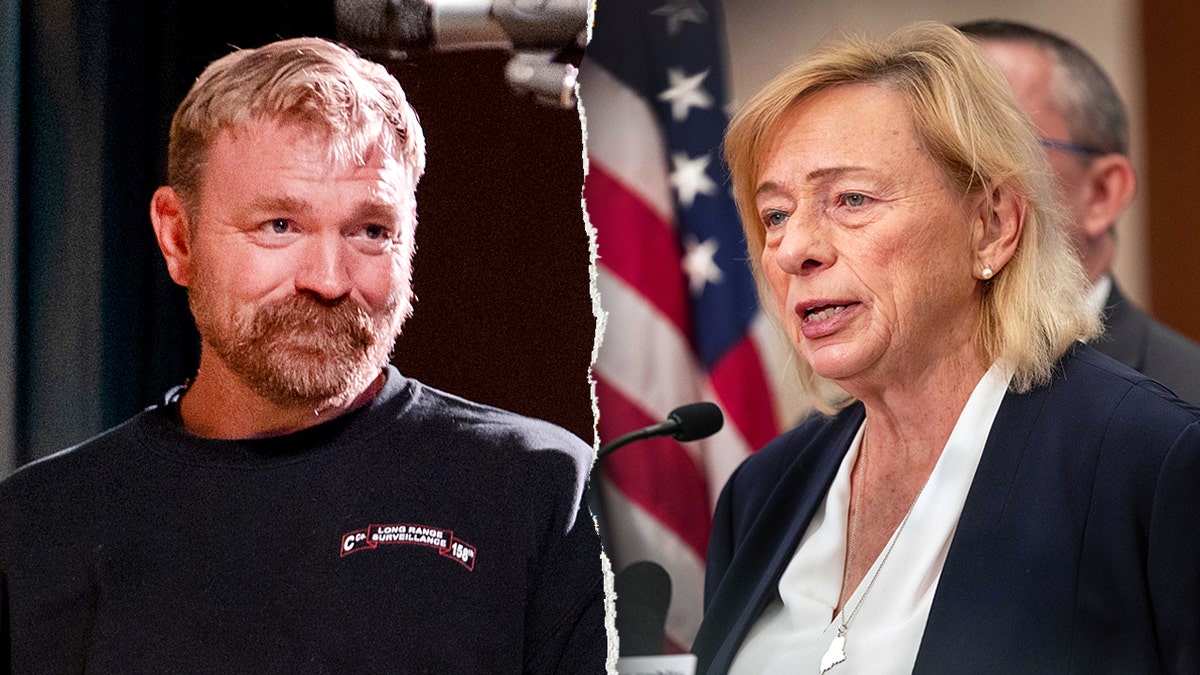
Maine Democratic Senate candidate Graham Platner is set to formally withdraw from the race on Monday, according to reports circulating among party officials. His departure follows internal discussions with staff and comes as state party leadership navigates the logistical challenges of selecting a replacement nominee for the upcoming general election. The move leaves an immediate vacancy at the top of the ticket, triggering a scramble among party stakeholders to identify a viable successor.
The withdrawal of a candidate this late in an election cycle presents specific procedural hurdles under state election law. In Maine, the process for filling a vacancy on the ballot is governed by statutes that dictate how political parties must certify a replacement candidate to the Secretary of State’s office. According to the Maine Department of the Secretary of State, which oversees election administration and ballot access, parties must adhere to strict deadlines to ensure the new nominee’s name appears correctly on ballots provided to voters.
The Selection Process for a New Nominee
With Platner’s exit, the Maine Democratic Party faces the task of convening its governing body to select a replacement. Party rules typically require a state committee meeting or a special convention to finalize a nomination when a candidate withdraws after the primary election. This process is designed to ensure transparency and party unity, though it often involves intense negotiations between local party leaders, donors, and potential candidates who may have been waiting for an opening.

The urgency of the situation is heightened by the proximity of the general election. Election officials must balance the need for a candidate with the practical requirements of printing and distributing ballots, particularly for military and overseas voters who receive their materials in advance of the general public. Per the Maine Secretary of State’s election calendar, failing to meet these certification deadlines can lead to significant logistical complications, making the selection of a successor a high-priority task for the party’s executive committee.
Political Dynamics and Party Strategy
The shift in the Maine Senate race has led to increased scrutiny of the Democratic Party’s internal cohesion. Reports indicate that party members are currently engaged in discussions regarding the most effective strategy to maintain competitiveness in the contest. The challenge for the party is to coalesce around a candidate who can quickly build name recognition and secure the necessary resources to run a statewide campaign in a compressed timeframe.
Political observers note that the vacancy creates an opportunity for the party to reset its messaging. However, the transition period is often marked by internal friction as various factions push for their preferred candidates. The ability of the Maine Democratic State Committee to manage this transition without further public disagreement will likely be a key factor in the party’s performance in the upcoming election. As of this writing, no official replacement has been named, and the party has not released a finalized timeline for when a decision will be announced to the public.
Next Steps and Official Updates
The next confirmed checkpoint in this process is the formal filing of the withdrawal notice with the Secretary of State, which is expected to occur on Monday. Following this, the Maine Democratic Party is expected to provide official guidance regarding the timeline for selecting the replacement nominee. Voters and interested parties can monitor the Maine Division of Elections website for official updates regarding ballot changes and candidate certifications.

We will continue to update this report as new information becomes available regarding the party’s selection process. If you have insights or observations on this developing story, please feel free to share your thoughts in the comments section below.