
How Late Fascism Exploits Consent Through Promised Violence: A Gramscian Analysis
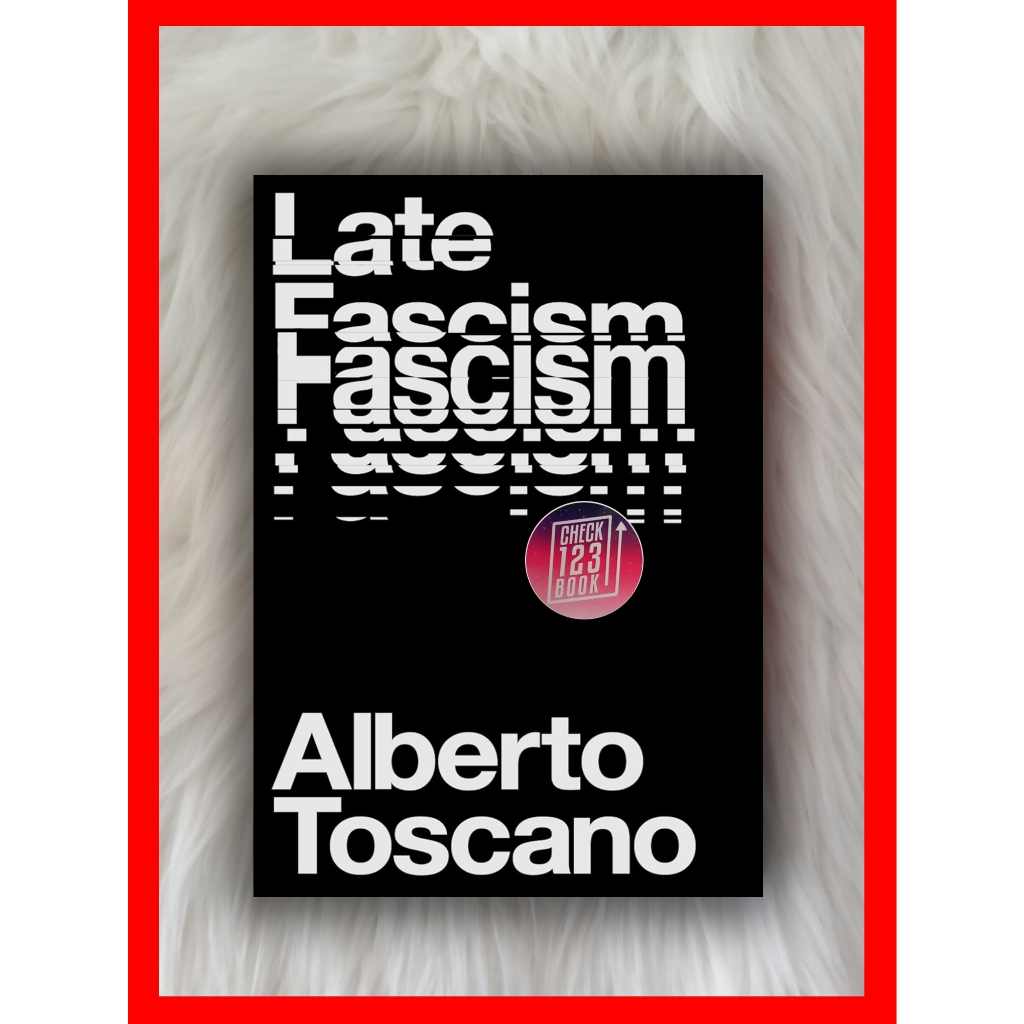
The relationship between consent and coercion in modern politics has evolved into what theorists call “late fascism”—a system where state power increasingly relies on the explicit promise of violence against targeted populations to secure popular support. This dynamic, explored through the lens of Antonio Gramsci’s theories of hegemony and domination, reveals how authoritarian movements gain legitimacy by positioning themselves as protectors of a perceived majority against racialized and proletarianized “others.” According to Alberto Toscano, a professor of critical theory and author of Late Fascism: Race, Capitalism and the Politics of Crisis, this strategy has become a defining feature of contemporary politics, particularly in the United States.
Gramsci’s framework helps explain why systems with high levels of repression—such as mass incarceration or militarized border enforcement—often indicate a decline in genuine consent. Instead of persuading citizens of the system’s legitimacy, these systems rely on brute force to maintain order. Toscano argues that this shift reflects a broader trend of “domination without hegemony,” where power is imposed rather than negotiated. The pattern is evident in both domestic and foreign policy, from ICE raids at workplaces to U.S. military interventions abroad.
This approach is not new. As early as the Nixon administration, law-and-order campaigns positioned Black urban populations and migrant workers as threats to white working-class livelihoods. The strategy persists today, with figures like Donald Trump leveraging promises of mass deportation and racialized violence to mobilize voters. According to Toscano, the 2024 Republican Convention’s “Mass deportation now” placards exemplified this tactic, demonstrating how electoral consent is manufactured through the threat of state-sanctioned brutality.
Gramsci’s concept of “common sense” further illuminates why mainstream media often colludes with authoritarian systems. Media outlets, shaped by corporate ownership and algorithmic targeting, reinforce narratives that justify repression by framing marginalized groups as existential threats. This dynamic creates a feedback loop: fear of the “other” becomes a tool for securing consent, while dissent is silenced through both legal and extralegal means.
Yet, Toscano cautions, the decline of U.S. hegemony—evidenced by global perceptions of the country as a threat to peace—also presents opportunities for resistance. The erosion of consent-based domination could pave the way for new forms of political organization, particularly among younger generations increasingly skeptical of capitalist and imperialist structures. However, the path forward remains uncertain, requiring both intellectual rigor and grassroots mobilization.
Gramsci’s Theory: Why Repression Signals a Crisis of Consent
Antonio Gramsci, the Italian Marxist theorist imprisoned by Mussolini’s regime, developed a framework to understand how power operates through both coercion and consent. His concept of “hegemony” describes how dominant classes maintain control not just through force but by shaping cultural and ideological norms, making their rule appear natural and desirable. In contrast, “domination” relies on raw power—police brutality, mass incarceration, or military aggression—to enforce compliance when persuasion fails.
According to Toscano, Gramsci’s insights remain relevant today because they explain why systems like the U.S. prison-industrial complex expand during periods of political instability. “A system whose hegemonic forces are working at their most effective would not need an enormous system of incarceration,” Toscano notes. “People would be persuaded or led to behave in keeping with the social order more easily.” Instead, the U.S. has the highest incarceration rate in the world, with over 2.1 million people behind bars, many of whom are racialized minorities. This expansion is not just about punishment; it’s a symptom of a failing consensus.

The concept of “domination without hegemony” further clarifies this dynamic. Coined by Indian historian Ranajit Guha and Italian political economist Giovanni Arrighi, the term describes a shift from persuading citizens to simply imposing power. Toscano points to the U.S. Immigration and Customs Enforcement (ICE) as a prime example. ICE’s raids at workplaces—such as the 2019 operations at Home Depot and other factories—demonstrate how state violence is used to manufacture consent among a perceived majority. By targeting racialized and proletarianized populations, the state secures the compliance of those who benefit from the existing order.
This strategy is not limited to the U.S. Neoliberal leaders like Margaret Thatcher and Ronald Reagan also relied on racialized moral panics—such as fears of crime and immigration—to justify their policies. Even Democratic administrations, including Bill Clinton’s, adopted similar tactics, framing welfare recipients and immigrants as threats to economic stability. The result, Toscano argues, is a political culture where consent is extracted through the promise of violence rather than through genuine persuasion.
How the Media Reinforces Authoritarian Consent
Gramsci’s theory of “common sense” helps explain why mainstream media often serves as a tool for authoritarian governance. Common sense, for Gramsci, refers to the unquestioned beliefs and assumptions that shape how people perceive the world. These ideas are not innate; they are cultivated through institutions like schools, churches, and—critically—media outlets.

Toscano highlights how contemporary media, dominated by corporate interests and algorithmic targeting, reinforces narratives that justify repression. For example, news coverage of crime often disproportionately focuses on racialized communities, while economic inequality and corporate malfeasance receive far less attention. This skewed framing creates a distorted “common sense” where systemic injustice is attributed to individual failings rather than structural oppression.
The role of journalism in challenging this dynamic is crucial. Gramsci himself recognized the power of newspapers to shape public consciousness, even under repressive regimes. He advocated for workers to contribute to media outlets, ensuring that alternative perspectives could challenge dominant narratives. Today, independent journalism—particularly that rooted in labor and social justice movements—plays a similar role. Outlets like In These Times, where Toscano contributes, aim to expose the patterns of domination while fostering new forms of common sense that align with emancipatory politics.
However, the challenge is formidable. Corporate media monopolies, coupled with the rise of algorithmic surveillance, make it difficult for dissenting voices to compete. Toscano acknowledges that the media landscape has changed dramatically since Gramsci’s time, but he argues that the core task remains the same: linking political resistance to rigorous fact-finding and truth-telling. “It’s a matter of shaping and changing perception,” he says, “and linking resistance to real hard-nosed inquiry.”
The Global Decline of U.S. Hegemony and the Rise of Resistance
The erosion of U.S. global dominance presents both dangers and opportunities. Toscano argues that the country’s declining hegemony—evidenced by its military interventions in Gaza, Iran, and Venezuela, as well as its economic struggles—has led to a reliance on “domination without hegemony.” Internationally, this manifests in wars of aggression and sanctions, while domestically, it takes the form of ICE raids and the suppression of dissent, particularly around Palestine solidarity movements.
A recent global poll underscores this shift. According to a Pew Research Center survey, the U.S. is now seen as the greatest threat to world peace by citizens in multiple countries—including Americans themselves. This perception reflects a broader loss of faith in U.S. leadership, particularly among younger generations who are increasingly critical of capitalism, imperialism, and Zionism.

Toscano frames this moment through Gramsci’s famous phrase: “pessimism of the intellect, optimism of the will.” The pessimism lies in recognizing the severity of the current crisis—one that could lead to “barbarism,” as Rosa Luxemburg warned, if unchecked. However, the optimism comes from the potential for new forms of organization and resistance. For example, critiques of Zionism and Israeli apartheid have gained traction among young Jewish Americans, signaling a shift in political consciousness.
Yet, Toscano cautions, these opportunities are not guaranteed. The decline of U.S. hegemony does not automatically lead to progress; it could just as easily result in further authoritarianism or even fascism. The key, he argues, is to build movements that can articulate coherent alternatives to the existing order. This requires both intellectual clarity and grassroots mobilization, ensuring that new forms of common sense emerge from the struggles of marginalized communities.
What Happens Next: The Path Forward for Abolition and Civil Rights Movements
The modern abolition and civil rights movements face a critical juncture. The decline of U.S. hegemony has exposed the fragility of its consent-based systems, but it has also intensified state repression. Movements like Black Lives Matter, the Palestine solidarity network, and immigrant rights organizations are at the forefront of challenging these dynamics. Their success will depend on their ability to:
- Expose the patterns of domination: Using Gramsci’s framework, activists can demonstrate how state violence is used to manufacture consent, particularly against racialized and proletarianized populations.
- Build alternative media infrastructures: Independent journalism and community-based storytelling can counter the narratives of mainstream media, fostering new forms of common sense.
- Organize across movements: Solidarity between abolitionists, labor organizers, and anti-imperialists is essential for creating a unified resistance to late fascism.
- Develop coherent political alternatives: Gramsci emphasized the need for movements to articulate clear visions of justice that resonate with the lived experiences of marginalized communities.
The next checkpoint for these movements is the 2024 U.S. election, where the outcomes will shape the trajectory of state repression and resistance. Organizations like the ACLU and MIJENTE are already mobilizing to defend immigrant rights, challenge mass incarceration, and expand voting access. Meanwhile, global solidarity networks, such as those supporting Palestine, continue to grow, signaling a potential realignment of political consciousness.
For readers seeking to engage with these issues, the following resources provide further insight:
- In These Times – A labor and social justice news outlet.
- Prison Policy Initiative – Data and analysis on mass incarceration.
- Jewish Voice for Peace – A movement for Palestinian human rights.
- MIJENTE – A Latinx-led organization fighting for immigrant and worker rights.
As Toscano concludes, the fight against late fascism requires both a sober assessment of the challenges ahead and an unwavering commitment to building the conditions for a more just world. The question is not whether resistance is possible, but how it will be organized—and who will lead it.
What are your thoughts on the role of media in shaping political consent? Share your perspectives in the comments below, and help us explore how to foster alternative narratives in the face of authoritarianism.