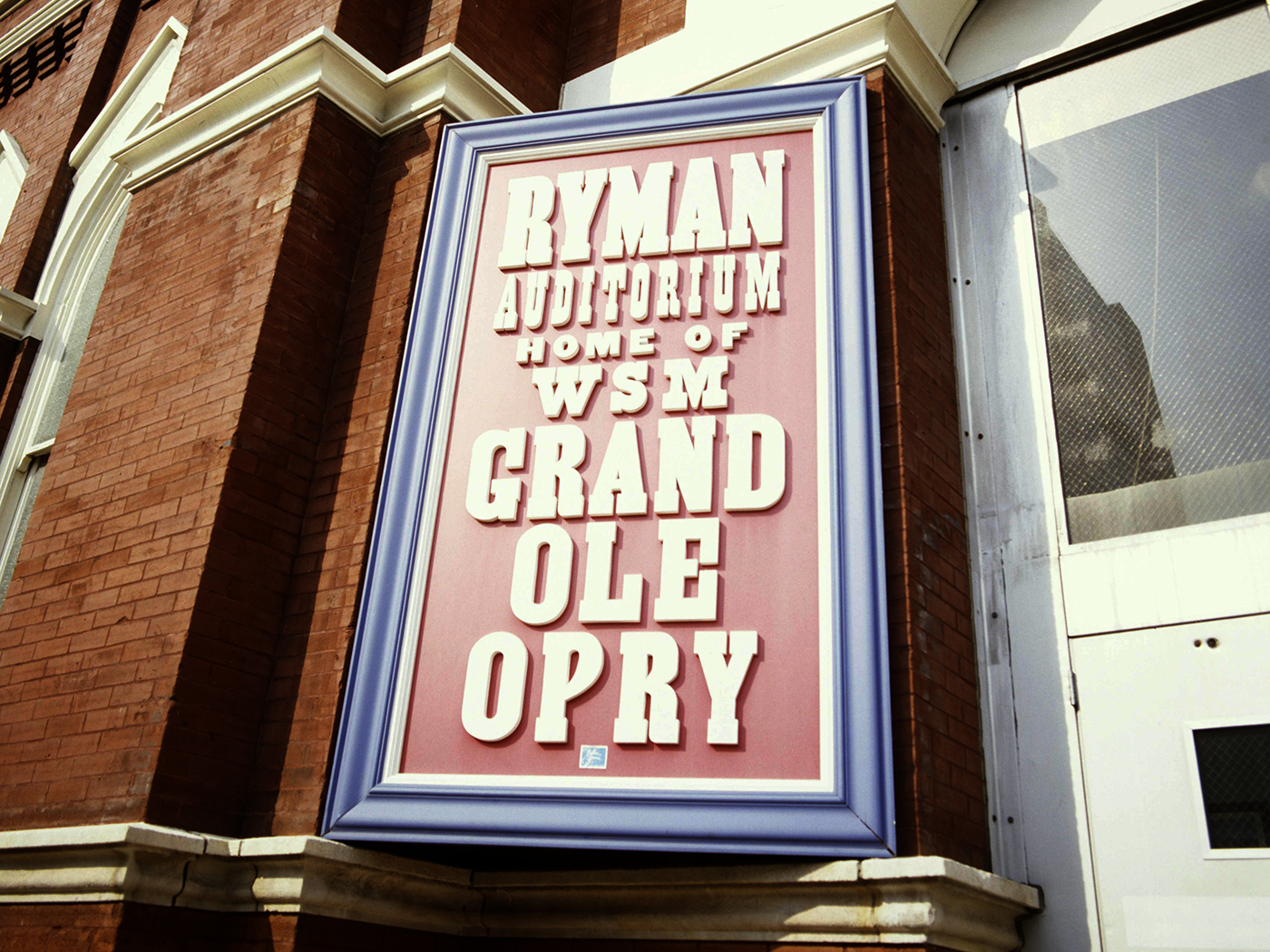
The Grand Ole Opry: A Century of Contry Music, Tradition, and Unexpected Moments
For a century, the Grand Ole Opry has been more than just a radio show – its been the heartbeat of country music. From its humble beginnings in a Nashville insurance office in 1925 to its current status as a global icon, the Opry’s story is one of evolution, resilience, and a commitment to showcasing the best in country artistry. As the opry prepares to celebrate its centennial in 2025, let’s delve into the history, significance, and enduring appeal of this uniquely American institution.
A Gesture of Goodwill & The Opry’s Unpredictability
The Opry’s willingness to embrace diverse sounds, even unexpectedly, is a hallmark of its character. Nashville historian Craig Shelburne, author of the new book 100 Years Of Grand Ole Opry, recounts a memorable moment: an Opry artist extending a gesture of respect to James Brown. It wasn’t intended as a spectacle, but it highlighted the Opry’s inherent unpredictability. “Anything is liable to happen on live radio,” Shelburne notes.
What Makes the Opry So Crucial?
For generations of country artists, performing on the Opry stage represents the pinnacle of achievement. Marty Stuart, inducted in 1992 and headlining the upcoming London show at the Royal Albert Hall, puts it simply: “The Opry is a way of life.” It’s an institution passed down, a rite of passage, and, as stuart emphasizes, “If you’re going to be a country performer, the Opry is the place to be.”
Here’s what the opry represents for artists and fans alike:
* Legacy: A direct connection to country music’s roots.
* Validation: An acknowledgement of artistic merit and contribution to the genre.
* Community: A shared experience for performers and a devoted audience.
* tradition: A continuation of a beloved cultural institution.
From Ryman Auditorium to “The Big House” – A History of Change
The Opry’s journey hasn’t been without its challenges.It’s weathered musical revolutions, faced controversy, and even survived a literal fire hazard.
* Early Days (1925-1974): The Opry began as a modest radio broadcast, quickly gaining popularity and finding a home in the historic Ryman Auditorium.
* Controversy & Transition (1954-1974): Elvis Presley was famously banned after a performance deemed too suggestive in 1954. the Byrds faced boos in 1968. Than, in 1974, the Opry moved to a new, purpose-built facility near the Cumberland River.
* Saving the Ryman: Larry Gatlin of the Gatlin Brothers recalls the Ryman’s dilapidated state. “The place was a fire hazard,” he says, “hotter than two rats making love in a wool sock.” Ironically, moving the Opry to the new facility ultimately preserved the Ryman, allowing it to be restored and celebrated as a past landmark.
Gatlin, having performed at both locations, embodies the Opry’s evolution. He first graced the stage backing Dottie West in 1971 and was inducted by West herself in 1976 at the new facility. The induction process, he explains, is a cherished ritual: “You have to sing your way in…then you cry for a little bit and hold up the little trophy, and then you’ve got to sing a song.”
The ”Big Bang Moment” & The Path to induction
For many artists, an Opry induction is a career-defining moment. Ketch Secor of Old Crow Medicine Show describes it as “the big bang moment.” His band initially played on the sidewalk outside the auditorium in 2000, gradually working their way inside and finally earning induction in 2012. “Everything that has happened to us happened because of the Opry,” Secor affirms.
Adaptability & Inclusivity: The Opry’s Secret to Longevity
The opry’s enduring success lies in its ability to adapt while remaining true to its core values.