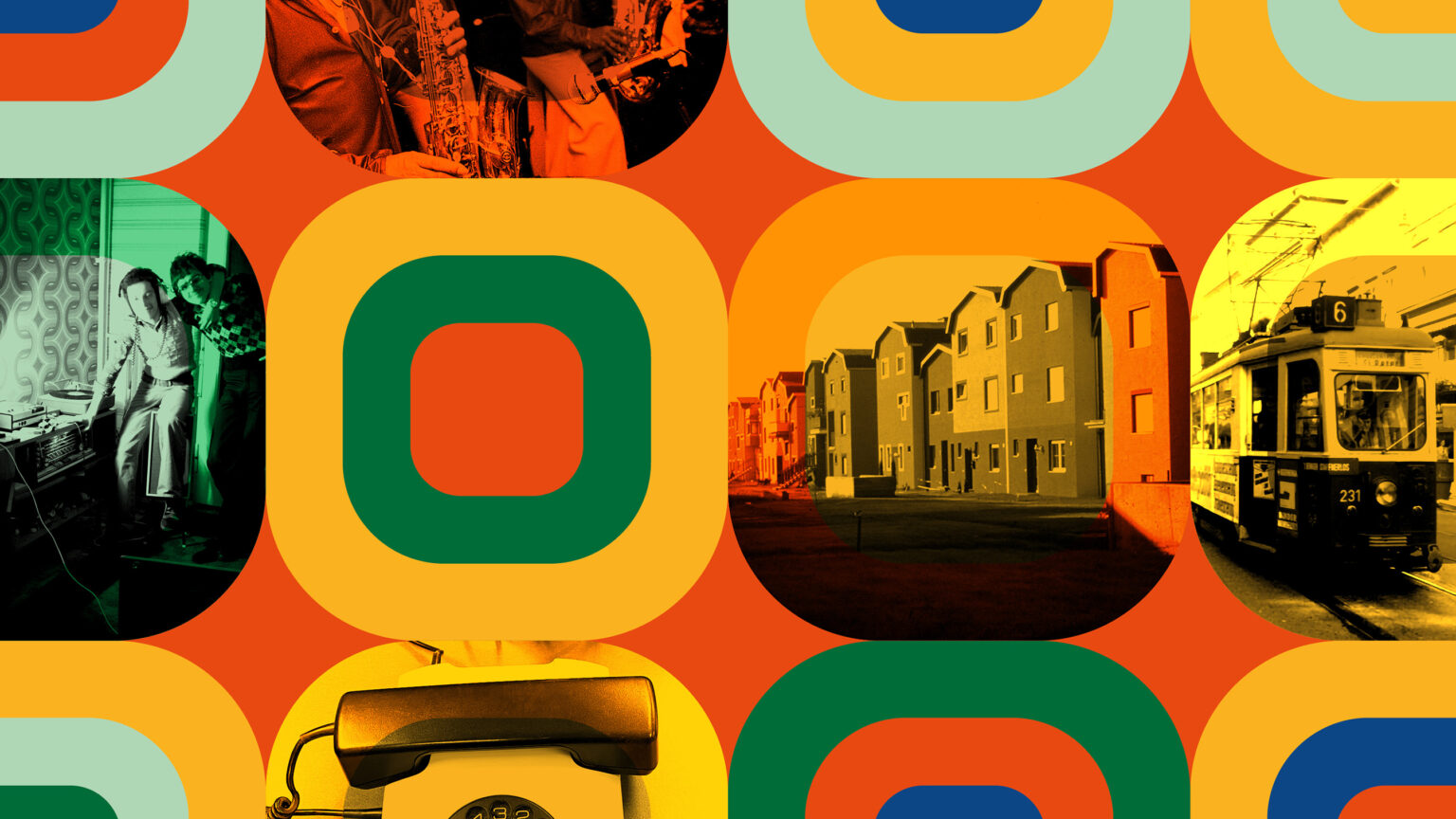
The Graz Museum in Styria is set to host a comprehensive exhibition titled “Everything was better tomorrow: Graz in the 1970s,” scheduled to run from June 18, 2026, until April 25, 2027. This retrospective examines the social, architectural, and cultural shifts that defined the decade in Austria’s second-largest city. According to the Graz Museum, the exhibition aims to provide a critical look at the decade’s promise of progress and the reality of its urban development.
The 1970s in Graz were marked by significant demographic changes and an intense period of urban modernization. As the city transitioned from a post-war landscape into a hub of regional development, the local administration focused on infrastructure projects that would reshape the daily lives of its citizens. The exhibition explores how the optimism of the era—often captured by the phrase “everything was better tomorrow”—mirrored the broader European trend of techno-utopian planning and social reform, as documented in the Styrian provincial archives.
Urban Transformation and Architectural Shifts
During the 1970s, Graz underwent a series of structural changes that altered its historical appearance. The city’s expansion into peripheral districts and the modernization of its center were primary goals for municipal planners. The Graz Museum’s research highlights the tension between preserving the heritage of the city’s historic core and the pressure to accommodate an increasing population, a process detailed in official planning documents held by the City of Graz municipal authority.

Architectural critics of the time often debated the impact of these concrete-heavy developments on the city’s identity. The upcoming exhibition features photographs and blueprints from the period, showcasing the rise of new residential complexes and transit hubs. These projects were not merely utilitarian; they represented a shift in governance toward centralized planning, which sought to address housing shortages that had persisted since the end of the Second World War.
Social Dynamics in 1970s Graz
The social fabric of Graz in the 1970s was characterized by the emergence of new cultural movements and shifting political priorities. The decade saw increased engagement in local politics and the birth of alternative cultural scenes that challenged traditional institutional structures. According to historians at the University of Graz, this era acted as a precursor to the modern, multicultural city that Graz has become today.
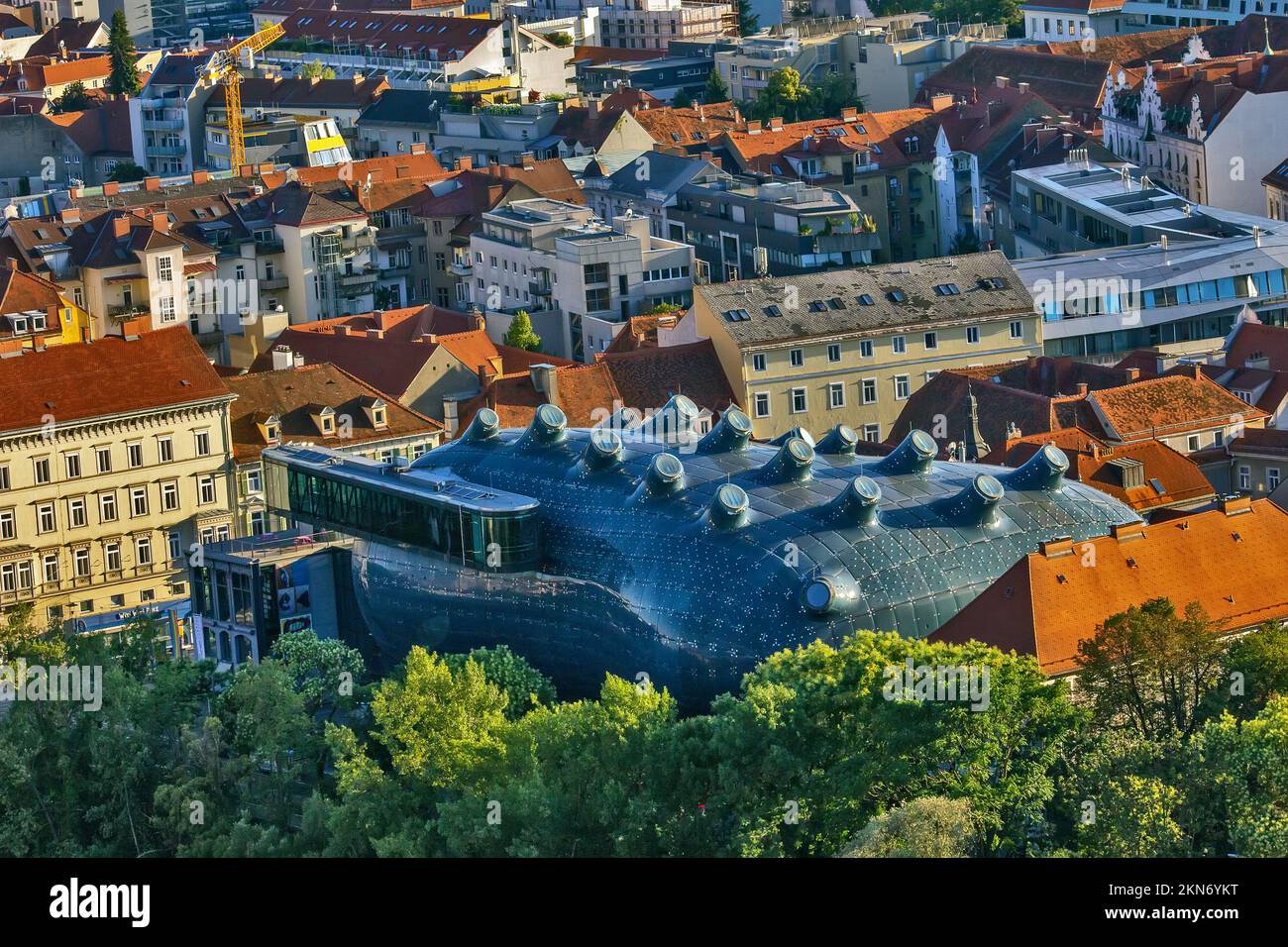
Youth culture and the influence of international media played a significant role in changing the city’s atmosphere. From the introduction of new music venues to the evolution of local fashion and protest movements, the 1970s served as a laboratory for social experimentation. The exhibition at the Graz Museum intends to capture these moments through oral history interviews and personal archives donated by local residents, providing a human-centric view of a decade that was often viewed through the lens of cold statistics.
Why the 1970s Matter Today
The focus on the 1970s is part of a broader trend in European museology to revisit the recent past to understand contemporary urban challenges. By examining how Graz handled the transition to a modern service-based economy, the exhibition offers insights into current debates surrounding sustainability and urban density. The Graz Museum Association emphasizes that understanding the planning decisions of fifty years ago is essential for addressing the current housing and environmental needs of the Styrian capital.
The exhibition design, led by the agency TASKA, aims to create an immersive experience that transports visitors back to the aesthetic and political climate of the era. Visitors can expect to see a mix of multimedia installations and physical artifacts that highlight the contrast between the era’s grand ambitions and the lived reality of its citizens. This dual approach serves to remind the public that the “tomorrow” promised in the 1970s is the “today” we now inhabit.
Visitor Information and Future Updates
The exhibition is scheduled to open its doors on June 18, 2026, and will remain accessible to the public until April 25, 2027. Located in the heart of Graz, the museum is easily reachable via the city’s public transportation network. For those planning a visit, the museum recommends checking the official website for potential updates regarding special guided tours and lecture series that will accompany the show throughout its run.

As the date approaches, the museum is expected to release further details on specific thematic focus areas, including the role of local industry and the evolution of the city’s public transit system. Readers interested in the history of Styria and the development of Graz are encouraged to follow the museum’s announcements for the most accurate and up-to-date information regarding opening hours and ticketing.
We invite our readers to share their own memories or family stories related to Graz in the 1970s in the comments section below. Your insights help us build a more complete picture of the city’s history as we look forward to the opening of this significant exhibition.
Keep reading