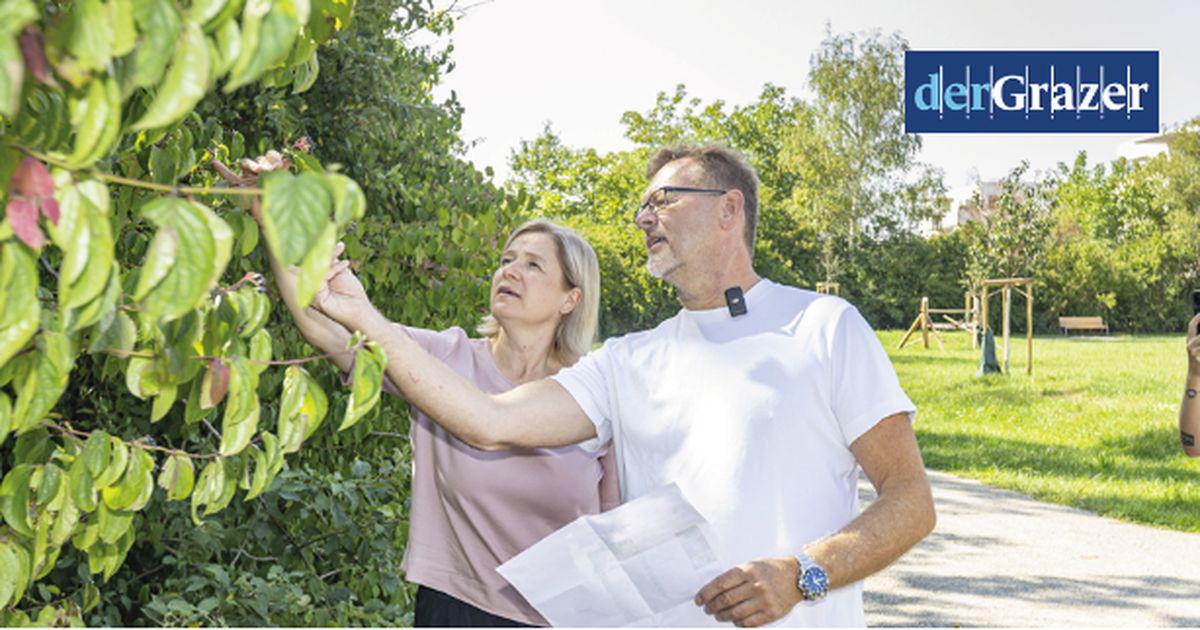
Graz Receives Significant Funding for Biodiversity Project
Graz, Austria, is set to embark on a substantial biodiversity initiative thanks to over €450,000 in funding secured from the Austrian federal government’s Biodiversity Fund. The project, titled “Wiesenvielfalt – Vielfaltswissen” (Meadow Diversity – Diversity Knowledge), aims to create and enhance over 80,000 square meters of natural habitats within the city limits. This investment underscores a growing commitment to ecological preservation and enhancing quality of life for residents through increased biodiversity.
The funding agreement, covering 100 percent of the investment costs, was recently signed, paving the way for a series of measures designed to strengthen biodiversity in Graz. The focus will be on creating diverse meadow ecosystems, providing crucial habitats for a wide range of animal species. According to city officials, the success in securing the full funding amount demonstrates the careful planning and effective project management demonstrated by Graz’s municipal departments. “We are bringing over 450,000 euros to Graz – for more biodiversity and more quality of life in our city,” stated Deputy Mayor Judith Schwentner.
Expanding Natural Habitats Across Graz
The project encompasses a multifaceted approach to habitat restoration and creation. Over 80,000 square meters of land will be dedicated to establishing or ecologically upgrading various types of meadows, including flowering meadows, extensively managed grasslands, orchards, and semi-dry grasslands. Two wetland areas were already established in 2025, and this latest phase will build upon that initial success. The initiative is expected to provide a haven for specialized animal species, from pollinators to amphibians, allowing them to reclaim their natural habitats.
Robert Wiener, Head of the Green Space and Water Department, highlighted the project’s long-term vision. “My team has succeeded in convincing with a project that promotes the creation and professional maintenance of different types of meadows on urban areas. This lays the foundation for their long-term security as irreplaceable habitats for diverse species,” he explained. The project isn’t solely focused on habitat creation; it also includes accompanying measures designed to engage the community and build awareness.
Community Engagement and Educational Initiatives
Recognizing the importance of public participation, the “Wiesenvielfalt – Vielfaltswissen” project will incorporate a range of educational and outreach activities. These include information offerings, workshops for citizens, and training programs for employees of Holding-Grünraum and GBG – Graz’s municipal green space and housing companies. These initiatives aim to foster a deeper understanding of biodiversity and encourage active involvement in conservation efforts.
The positive assessment by the Biodiversity Fund is seen as recognition of the dedication and expertise of Graz’s municipal departments. Schwentner emphasized the high quality of work being done by the city’s green space department, stating that the funding demonstrates Graz’s ability to not only generate fine ideas but also to implement them professionally. This success builds on Austria’s broader commitment to biodiversity conservation, as outlined by the Ministry for Agriculture, Forestry, Climate and Environment, Regions and Water Management.
The Austrian Biodiversity Fund and National Goals
The Biodiversity Fund was established by the Austrian government to support projects that contribute to the country’s national biodiversity objectives. In November 2025, the fund’s commission proposed 38 biodiversity projects for approval by Federal Minister Norbert Totschnig. These projects focused on key areas such as ecosystem restoration, waterway connectivity, de-sealing of surfaces, biodiversity measures in urban areas, and flood prevention. The fund prioritizes initiatives that address critical environmental challenges and promote sustainable land management practices.
The fund’s focus areas align with broader European and international conservation goals, reflecting a growing global awareness of the importance of biodiversity for ecosystem health and human well-being. The “Wiesenvielfalt – Vielfaltswissen” project in Graz exemplifies this commitment, offering a localized approach to addressing a global challenge. The project’s emphasis on creating diverse meadow ecosystems is particularly significant, as meadows play a vital role in supporting pollinators, maintaining soil health, and regulating water cycles.
Impact and Future Outlook
The successful implementation of the “Wiesenvielfalt – Vielfaltswissen” project is expected to have a positive impact on Graz’s ecological landscape and the quality of life for its residents. By creating and enhancing natural habitats, the project will contribute to increased biodiversity, improved air and water quality, and enhanced recreational opportunities. The community engagement component will further strengthen the connection between residents and their natural environment, fostering a sense of stewardship and promoting long-term sustainability.
The project also serves as a model for other cities and municipalities seeking to implement similar biodiversity initiatives. The careful planning, effective project management, and strong community engagement demonstrated in Graz can provide valuable lessons for others looking to enhance their local ecosystems. The Austrian Biodiversity Fund’s support for this project underscores the importance of investing in nature-based solutions to address environmental challenges and promote sustainable development.
Looking ahead, the focus will be on the effective implementation of the project’s various components, including the creation of new meadows, the ecological upgrading of existing habitats, and the delivery of educational programs. Regular monitoring and evaluation will be conducted to assess the project’s impact and ensure that it is achieving its intended goals. The long-term success of the “Wiesenvielfalt – Vielfaltswissen” project will depend on continued collaboration between the city of Graz, the Biodiversity Fund, and the local community.
The next key milestone for the project will be the commencement of meadow creation and restoration work in spring 2026, with initial results expected to be visible by the end of the year. Readers interested in learning more about the project and opportunities for involvement are encouraged to visit the city of Graz’s official website for updates and information.
What are your thoughts on this initiative? Share your comments below and let us realize how your community is working to protect biodiversity.
Worth a look