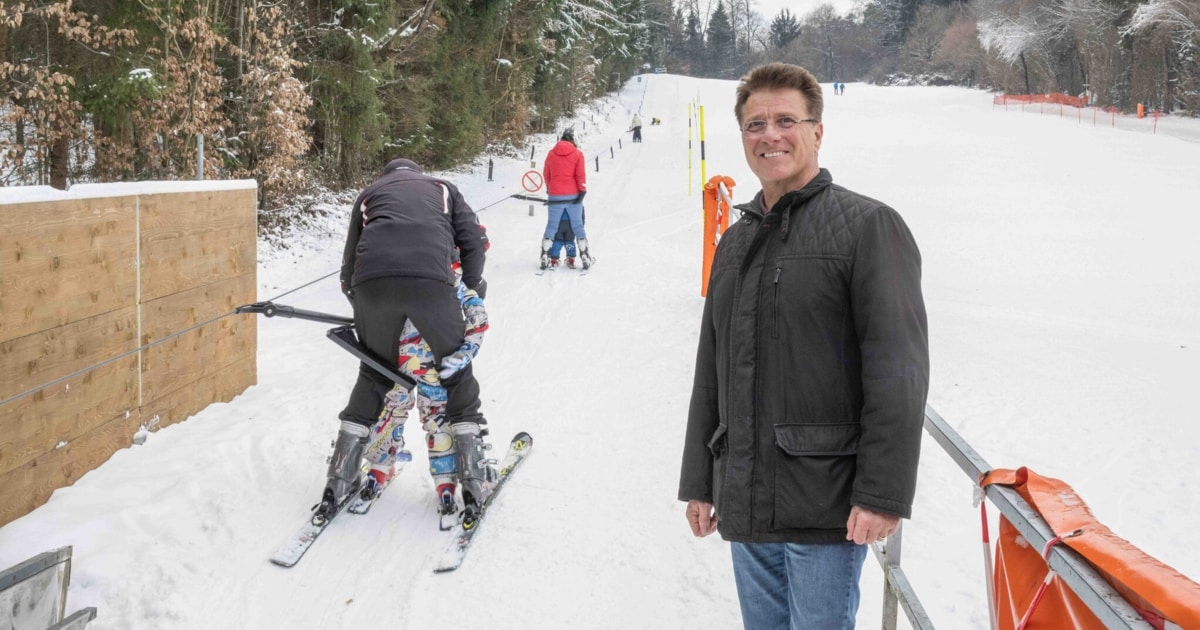
A significant chapter is closing for winter sports enthusiasts near Graz,Austria,as the small ski lift on Gedersberg in Seiersberg-Pirka will cease operations. This marks the end of an era after three decades of service, impacting local skiers and snowboarders who relied on this convenient slope.Understanding the reasons behind such closures, and their broader implications for smaller ski areas, is crucial for anyone interested in the future of winter recreation. this article will delve into the details of this specific situation and explore the challenges facing smaller ski resorts in a changing climate and economic landscape.
The End of an Era: Gedersberg ski Lift Closure
For thirty years, the Gedersberg ski lift has been a beloved fixture for families and beginner skiers in the region surrounding Graz. However, as of January 9, 2026, the lift will no longer be running. This decision wasn’t made lightly, and likely stems from a combination of factors, including maintenance costs, declining skier numbers, and evolving environmental conditions.
Did You Know? Austria boasts over 860 ski lifts and cable cars, but many smaller, locally-owned operations are struggling to remain viable.
It’s a trend we’re seeing across europe and North America – smaller ski areas are finding it increasingly difficult to compete with larger, more heavily invested resorts. I’ve found that these smaller lifts often serve as crucial learning grounds for new skiers, and their loss can be a significant blow to accessibility in the sport.
Factors Contributing to the Closure
Several interconnected issues likely contributed to this decision. let’s break down the key elements:
* Rising Operational Costs: Maintaining ski lifts, even small ones, requires considerable investment in regular inspections, repairs, and safety upgrades.
* Decreasing Snow Reliability: climate change is undeniably impacting snow conditions, with shorter winters and less predictable snowfall. This directly affects the viability of ski areas, notably those at lower altitudes.According to a recent report by the European Environment Agency (December 2025), average winter temperatures in the Alps have risen by nearly 2°C since the late 19th century.
* Shifting Demographics & Recreation Trends: Younger generations are increasingly diversifying their winter activities, opting for alternatives like snowshoeing, ice skating, or indoor recreation.
* Competition from Larger Resorts: Larger ski resorts often offer a wider range of amenities, including more challenging terrain, better snowmaking capabilities, and comprehensive services, attracting skiers away from smaller, local options.
Pro Tip: If you’re planning a ski trip, consider supporting smaller, local ski areas. They often offer a more authentic experience and contribute substantially to the local economy.
The Impact on the Local Community
The closure of the Gedersberg ski lift will undoubtedly be felt by the local community.Beyond the loss of a recreational prospect, it represents a loss of local jobs and potential economic activity. Smaller ski areas often serve as important hubs for tourism, attracting visitors who then spend money at local businesses.
Consider the ripple effect: fewer skiers meen less revenue for ski schools, rental shops, and nearby restaurants. It’s a reminder that the health of these small resorts is intrinsically linked to the well-being of the surrounding communities.
What Does the Future Hold for Smaller Ski Areas?
The situation at Gedersberg isn’t unique. Many smaller ski areas are facing similar challenges. However, there are strategies they can employ to adapt and survive. these include:
* Diversification of Activities: Offering year-round activities, such as mountain biking, hiking trails, or adventure parks, can help generate revenue during the off-season.
* Investment in Snowmaking Technology: While not a perfect solution, snowmaking can help ensure a more consistent snow base, even in warmer winters.
* Focus on Niche Markets: Catering to specific groups, such as families, beginners, or backcountry skiers, can definitely help differentiate a resort and attract a loyal customer base.
* Collaboration and Regional Marketing: Partnering with other local attractions and businesses can create a more compelling tourism package.
The Future of Skiing in a Changing Climate
The closure of the Gedersberg ski lift serves as a stark reminder of the challenges facing the ski industry in a warming world. While the future remains uncertain, innovation and adaptation will be key to ensuring the long-term viability of this beloved sport.
| Feature | Gedersberg Ski Lift | Larger Ski Resorts |
|---|---|---|
| Size | Small, local | Large, regional/international |
| Investment | Limited | Significant |
| Snow Reliability | More vulnerable to climate change | Often equipped with snowmaking |
| Activities | Primarily skiing/snowboarding | Diverse, year-round options |
Ultimately, the fate of smaller ski areas like Gedersberg depends on a combination of factors, including climate action, enduring tourism practices, and a commitment to preserving these valuable community assets. The ski lift industry is evolving,and adapting to these changes is paramount.
What steps do you think are most critically important for preserving smaller ski areas? Share your thoughts in the comments below!
Keep reading