
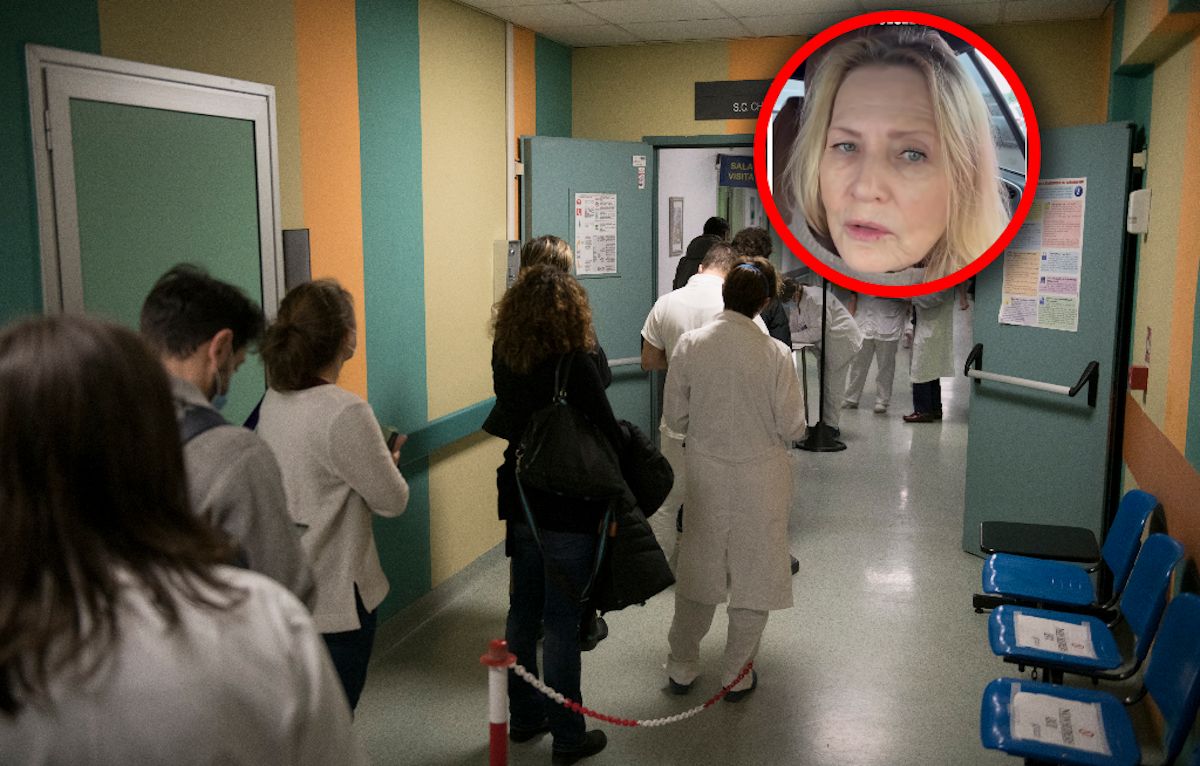
Polish actress Grażyna Szapołowska has publicly criticized the state of the public healthcare system in Warsaw following a recent personal visit to a hospital. The veteran performer, known for her extensive career in European cinema, expressed frustration regarding the administrative and logistical challenges she witnessed, stating that she felt sympathy for both the medical staff struggling with systemic limitations and the patients waiting for care.
Public discourse surrounding the efficiency of the Polish National Health Fund (NFZ) frequently highlights issues related to staffing shortages and long wait times. According to the National Health Fund (NFZ), which oversees public healthcare financing in Poland, hospitals often operate under significant strain due to high patient volumes and a limited pool of specialized medical personnel. While individual accounts of negative experiences are common, these incidents often reignite broader debates about the necessity for structural reform and increased investment in the national health infrastructure.
Public Sentiment and Healthcare Infrastructure
The incident involving Szapołowska has drawn attention to the disparity between patient expectations and the reality of hospital operations in urban centers. In her public remarks, the actress characterized her experience as distressing, noting that the environment she encountered appeared disorganized and inadequate for the needs of those seeking treatment. Her comments reflect a recurring theme in Polish social media and news reports: the frustration felt by citizens when navigating bureaucratic hurdles within state-funded medical facilities.
Healthcare professionals in Poland have long pointed to systemic issues that contribute to these tensions. Data from the Ministry of Health of the Republic of Poland indicates that the sector faces ongoing challenges regarding the retention of nurses and doctors, many of whom seek better working conditions in the private sector or abroad. This “brain drain” and the aging medical workforce are frequently cited as primary drivers for the delays and service gaps that patients like Szapołowska encounter during routine or emergency visits.
The Challenges Facing Urban Hospitals
Warsaw’s hospital system serves a dense population, leading to frequent congestion in emergency rooms and outpatient clinics. When patients share accounts of their experiences, they often highlight the lack of clear communication and the physical toll of waiting for extended periods. For many, these encounters serve as a primary point of contact with the state, making the perceived quality of service a significant factor in public trust toward governmental institutions.
Research into public satisfaction with healthcare services, such as those conducted periodically by the Public Opinion Research Center (CBOS), often shows a split in public opinion. While many patients report satisfaction with the quality of medical procedures and the expertise of surgeons, administrative processes and facility conditions frequently receive lower marks. This dichotomy explains why even high-profile individuals, when faced with the realities of public facilities, often echo the sentiments of the general public regarding the need for modernization.
Broader Context of Healthcare Reform
The Polish government has implemented various digital initiatives, such as the e-Prescription (e-Recepta) system and the Internet Patient Account (IKP), to streamline administrative tasks. According to the official portal for patients managed by the Ministry of Health, these digital tools are intended to reduce the burden on medical staff and improve access to records. However, critics argue that digitization alone cannot resolve the fundamental issues of understaffing and outdated physical infrastructure.

As the debate continues, the focus remains on how the state will balance the rising costs of medical technology with the need to ensure equitable access for all citizens. The visibility of public figures speaking out about their healthcare experiences keeps the issue at the forefront of the public agenda, putting pressure on policymakers to provide tangible solutions. For now, the Ministry of Health continues to manage the distribution of funds aimed at hospital modernization, though the timeline for significant improvements remains a subject of ongoing legislative review.
Readers interested in monitoring the status of healthcare reforms or finding information on patient rights can consult the Office of the Commissioner for Human Rights, which frequently publishes reports on the state of public services in Poland. We encourage our readers to share their own experiences with healthcare systems in the comments section below, as community-driven feedback remains a vital component of the ongoing conversation regarding public welfare.