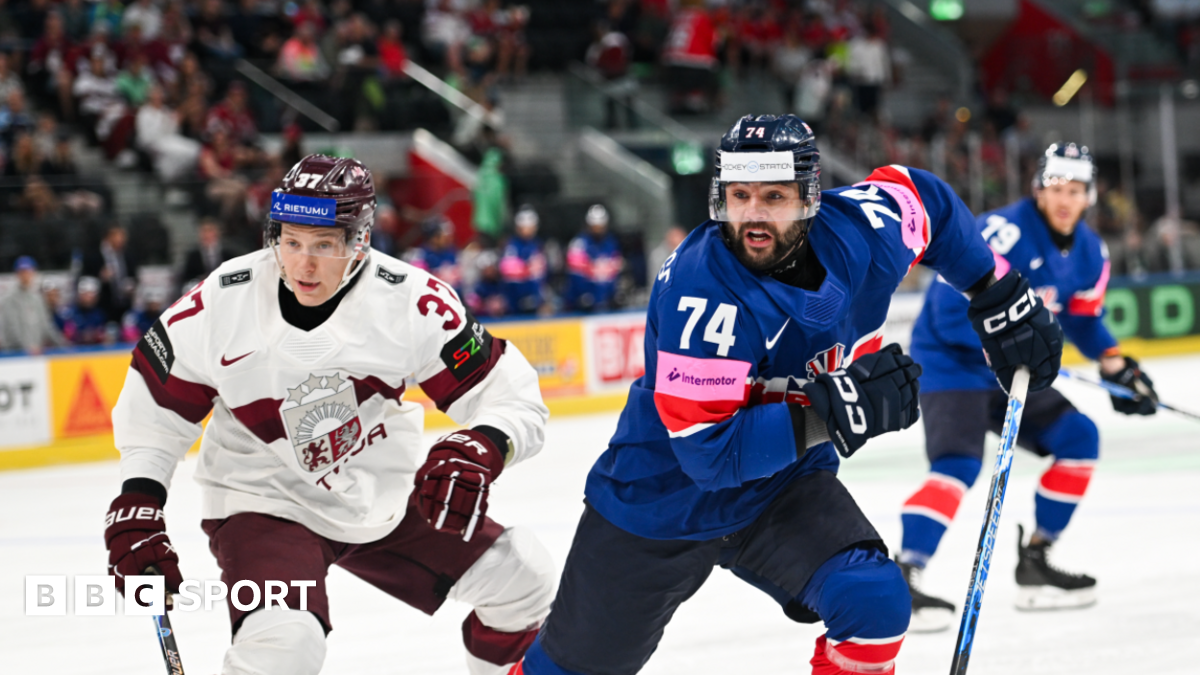
Great Britain Relegated from World Championship Top Division Following Heavy Defeat by Latvia
ZURICH — It was a night of profound disappointment for Great Britain as their tenure in the top division of the World Championship came to a definitive and painful end. Following a commanding 6-0 defeat at the hands of Latvia in Zurich, the team has officially been relegated from the tournament’s highest tier.
The loss marks a significant setback for the national program, which had been fighting to maintain its status among the world’s elite. The decisive nature of the scoreline in Zurich reflects a gap in performance that has left the squad and its supporters facing a tough period of transition and rebuilding.
For Great Britain, the relegation is not merely a statistical decline but a structural challenge. Moving out of the top division alters the competitive landscape for the team, affecting future scheduling, international standing, and the high-level exposure required to develop elite-level talent. The defeat to a clinical Latvian side serves as a stark reminder of the razor-thin margins that define survival in the upper echelons of international championship play.
A Decisive Defeat in Zurich
The match in Zurich was characterized by Latvian dominance from the opening stages. While Great Britain entered the contest with the intent to disrupt the Latvian rhythm, they struggled to contain an organized and aggressive offensive display. The 6-0 scoreline was a reflection of missed opportunities and defensive lapses that allowed Latvia to dictate the tempo of the game throughout the proceedings.
In high-stakes championship environments, the ability to absorb pressure is as vital as the ability to create scoring chances. On this occasion, Great Britain found themselves unable to stabilize their defensive lines, allowing the Latvian side to capitalize on key transitions. The result effectively sealed the team’s fate, ensuring they would not be able to secure the points necessary to avoid the drop.
The atmosphere in Zurich shifted from anticipation to somber realization as the deficit grew. For the Great Britain contingent in attendance, the match was a difficult conclusion to a campaign that had seen glimpses of competitiveness but ultimately lacked the consistency required to compete with the tournament’s heavyweights.
Understanding the Mechanics of Relegation
Relegation from the top division of a World Championship is a rigorous process designed to ensure that the highest tier remains populated by the most competitive nations. In these formats, the bottom-ranked teams are moved to lower divisions to make way for promoted sides, maintaining a strict hierarchy of skill and performance.

The implications of this movement are far-reaching:
- Competitive Tiering: Moving to a lower division means facing a different caliber of opposition, which can either provide a platform for dominance or create a “yo-yo” effect where teams struggle to regain their former status.
- Developmental Impact: Top-division status provides athletes with the opportunity to test themselves against the best in the world on a regular basis. Relegation limits this exposure, potentially slowing the developmental curve of emerging players.
- Resource Allocation: For many national sporting bodies, participation in the top tier is tied to visibility, sponsorship, and funding models. A shift in division often necessitates a reevaluation of strategic priorities and financial planning.
The transition out of the top division requires a program to pivot from a survival mindset to one of rebuilding and tactical refinement. The challenge for the Great Britain coaching staff and administrators will be to navigate this descent without losing the momentum gained during their time at the summit.
The Long-Term Impact on the National Program
While the immediate sting of the 6-0 loss in Zurich is undeniable, the broader impact of this relegation will be felt in the upcoming qualification cycles. The road back to the top division is rarely linear, often requiring sustained excellence in lower-tier championships to earn promotion.
The Great Britain program now faces a period of introspection. Analysts suggest that the gap exposed by the Latvian victory highlights the need for increased depth and perhaps a more robust approach to high-intensity match preparation. To compete at the top level, national teams must possess not only individual talent but also the tactical cohesion to withstand the relentless pressure applied by Tier-1 opponents.
the psychological aspect of relegation cannot be overlooked. Recovering from a heavy defeat that results in loss of status requires significant leadership within the squad to ensure that the team remains focused on the long-term goal of ascension rather than becoming mired in the setbacks of the current campaign.
Key Takeaways
- The Result: Great Britain suffered a 6-0 loss to Latvia in Zurich.
- The Consequence: The defeat confirms Great Britain’s relegation from the top division of the World Championship.
- The Context: The loss highlights a significant performance gap between Great Britain and the top-tier competition in the current cycle.
- The Future: The program must now focus on rebuilding and competing in lower divisions to seek promotion.
As the tournament moves toward its conclusion, the focus for Great Britain will shift toward the next cycle of international competition and the strategic planning required to restore their standing in the global sporting community.
Official updates regarding the team’s next scheduled fixtures and the formal review of the championship campaign are expected from the national governing body in the coming weeks.
What are your thoughts on the current state of Great Britain’s international campaign? Do you believe the program needs a fundamental shift in strategy to return to the top division? Share your views in the comments below and share this article with your fellow sports fans.
Keep reading