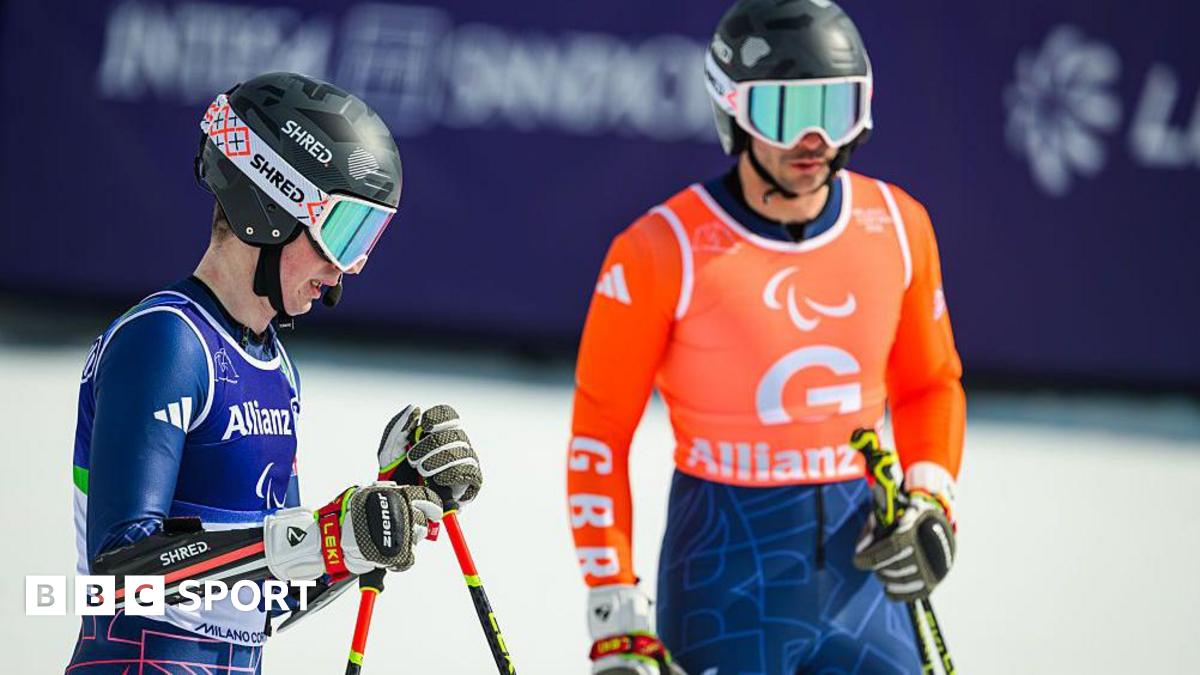
Milan-Cortina, Italy – The 2026 Winter Paralympics concluded for Great Britain with a sense of both pride and disappointment. Whereas Neil Simpson and his guide Rob Poth secured a silver medal in the visually impaired alpine combined, it marked the team’s most modest performance at a Winter Games since Vancouver 2010, where they returned without any medals. The single medal finish raises questions about the trajectory of British Paralympic winter sports, particularly given the significant investment of over £7 million from UK Sport over the preceding four years.
The Games, held in the Italian cities of Milan and Cortina d’Ampezzo, presented a unique set of challenges for ParalympicsGB. A combination of factors, including injuries and a relatively inexperienced team – with 17 of the 25 athletes making their Paralympic debut – contributed to the overall results. Despite setting a medal target range of two to five, the team fell short, prompting reflection on the factors influencing performance and the path forward for British winter Paralympic athletes. The performance, while not meeting expectations, doesn’t diminish the dedication and resilience shown by all involved.
A Silver Lining in Alpine Skiing
The highlight of the Games for Great Britain was undoubtedly the silver medal won by Neil Simpson and Rob Poth in the visually impaired alpine combined event. This achievement marked Simpson’s third Paralympic medal, building on his previous successes. The BBC reported that Simpson, 23, and Poth delivered a strong performance, particularly in the slalom run, propelling them to second place behind Italy’s Giacomo Bertagnolli and Andrea Ravelli. Simpson, who was born with nystagmus – a condition causing involuntary eye movements – demonstrated remarkable skill and determination throughout the competition. The Guardian highlighted the trust and bond between Simpson and Poth, emphasizing the crucial role of their communication at speeds reaching 100km/h.
However, the joy of the silver medal was tempered by a costly error in the men’s visually impaired giant slalom. According to the BBC, Simpson and Poth missed a gate after initially setting a strong pace, dashing their hopes for another medal in that event. Simpson acknowledged the mistake, stating, “There was some good skiing up to the time we made the error, but it was a costly one.” Despite the setback, the pair remained optimistic, focusing on their final race, the slalom.
Challenges and Inexperience
Beyond Simpson and Poth’s performance, the broader picture for ParalympicsGB revealed a team navigating a challenging landscape. The inexperience of a significant portion of the squad played a role in the overall results. With 17 debutants, the team lacked the seasoned Paralympic experience that often proves crucial in high-pressure competitions. Injuries also impacted the team’s ability to field its strongest lineups across all disciplines.
Fred Warburton and his guide James Hannon finished 13th in their event, with Warburton expressing relief at completing both runs in his first Paralympic appearance. Sam Cozens and Adam Hall, however, crashed out during their second run, highlighting the inherent risks and unpredictable nature of Paralympic winter sports. Dom Allen, the youngest member of the ParalympicsGB team at 16, finished 25th in the standing division, gaining valuable experience for future competitions.
UK Sport’s Perspective and Future Outlook
The results prompted a measured response from UK Sport, the organization responsible for funding and supporting elite athletes in Great Britain. Dr. Kate Baker, UK Sport’s director of performance, emphasized the difficulty of judging the team’s performance solely on medal counts. She acknowledged that the Games may have come too soon for some athletes, but expressed excitement about the potential for future success. “We’re in disciplines that we’ve not been in before, we are showing there is depth coming through and real potential for the future,” Dr. Baker stated.
Phil Smith, ParalympicsGB’s chef de mission, echoed this sentiment, acknowledging the inherent jeopardy of winter sports and the possibility of different outcomes with a slight change in luck. He also highlighted the positive aspects of the Games, emphasizing the team’s overall spirit and determination. “There is lots to be positive about the Games ” Smith said. “We know that winter sport is full of jeopardy. If you ran this week again, we could very much have been somewhere more in the middle of that target with just a little bit more luck and things turning out slightly differently.”
Investment and Expectations
The investment of over £7 million by UK Sport into the Winter Paralympic program over the past four years inevitably raises questions about the return on investment. While the team’s performance fell short of the initial medal target of two to five, it’s important to consider the long-term development of Paralympic winter sports in Great Britain. The funding has supported athlete development, coaching, and infrastructure improvements, laying the foundation for future success. The current results should be viewed as a stepping stone, rather than a definitive judgment of the program’s effectiveness.
Looking Ahead: Building on Foundations
The 2026 Winter Paralympics served as a valuable learning experience for ParalympicsGB. The team’s performance highlighted the need for continued investment in athlete development, particularly in emerging disciplines. Building on the experience gained by the debutants and fostering a strong pipeline of talent will be crucial for future success. The focus will likely shift towards identifying and nurturing promising athletes, providing them with the resources and support they need to compete at the highest level.
The success of Neil Simpson and Rob Poth provides a beacon of hope and inspiration for the future. Their silver medal demonstrates the potential for British athletes to excel on the Paralympic stage. The team’s resilience and determination, despite facing challenges and setbacks, are a testament to the spirit of the Paralympic movement. The next Winter Paralympics will present an opportunity to build on these foundations and strive for even greater achievements.
The next major checkpoint for British Paralympic winter sports will be the assessment of the 2026 Games’ performance by UK Sport, with findings expected to be published in the summer of 2026. This review will inform future funding decisions and strategic planning for the 2030 Winter Paralympics. We encourage readers to share their thoughts on the team’s performance and the future of British Paralympic winter sports in the comments below.