Crete Migrant boat Capsizing: Latest Updates, Causes & The Growing Refugee Crisis (November 2025)
The Mediterranean Sea continues to be a tragically risky route for migrants seeking safety and prospect in Europe.A recent capsizing south of Crete has resulted in at least three confirmed deaths, with dozens rescued and the search for survivors ongoing. This incident underscores the escalating crisis and the urgent need for comprehensive solutions.This article provides the latest data on the Crete boat capsizing, explores the factors driving the surge in migrant arrivals, and examines the challenges facing both migrants and host countries.
What Happened? The Crete Boat Capsizing – November 2025
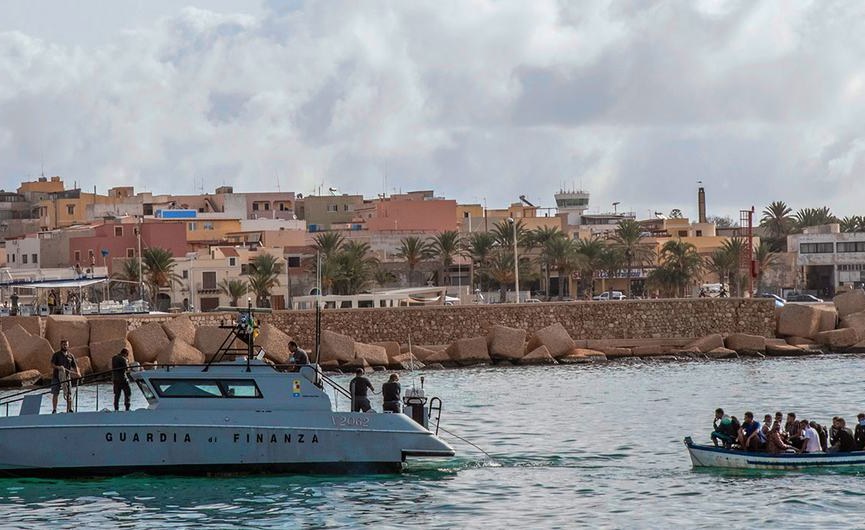
On Tuesday evening, a vessel carrying migrants capsized in the sea south of Crete. The Greek Coast Guard, aided by air force helicopters and a Frontex boat, launched a large-scale rescue operation. As of the latest reports from ERT, 56 individuals have been rescued.
Disturbing video footage released by rescuers captured the desperate cries for help from those onboard the severely overcrowded boat just moments before it overturned. The cause of the capsizing remains under initial investigation,but overcrowding is suspected to be a important factor.Rescued individuals have indicated they departed from Tobruk, Libya. They are currently receiving medical attention in Crete.
A Dramatic Increase in Migrant Arrivals to Crete
This tragedy unfolds against a backdrop of a significant surge in migrant arrivals to Crete in 2025. According to the UN Refugee Agency, nearly 16,000 migrants had reached Crete by the end of October. This represents a staggering 300% increase compared to the same period last year, as reported by sources within the Greek Ministry of Migration.
This dramatic rise is placing immense strain on local resources and highlighting the need for a coordinated European response. the Greek government is actively calling for a fairer distribution of responsibility for managing the influx of refugees within the European union.
Why Are More Migrants Taking this Route?
Several converging factors are contributing to the increased flow of migrants attempting the dangerous sea crossing to Europe:
* political Instability: Ongoing conflicts and political instability in North Africa, notably in Libya and Sudan, are forcing people to flee their homes in search of safety.
* Economic Hardship: Severe economic conditions and lack of opportunities in many countries drive individuals and families to seek a better life in Europe.
* Climate Change: environmental factors, such as droughts and desertification, are exacerbating existing challenges and contributing to displacement.
* Smuggling Networks: Criminal smuggling networks exploit the desperation of migrants, promising safe passage but ofen providing unseaworthy vessels and dangerous conditions.
* Perceived Opportunities: Despite increased border controls, Europe remains a destination perceived as offering greater opportunities for employment and a more stable future.
The Dangers of the Mediterranean Route
The central Mediterranean route,from North Africa to Italy and Greece,is notoriously dangerous. here’s a sobering look at the risks:
* Overcrowded Vessels: Migrant boats are often severely overcrowded and poorly maintained, increasing the risk of capsizing.
* Harsh Weather Conditions: The Mediterranean Sea can experience unpredictable and severe weather, posing a significant threat to small vessels.
* Lack of Adequate Supplies: Boats often lack sufficient food, water, and medical supplies, leaving migrants vulnerable to dehydration, illness, and death.
* Exploitation by Smugglers: Migrants are often subjected to exploitation, abuse, and extortion by smugglers.
* Limited Rescue Capacity: While rescue operations are conducted by various agencies,the vastness of the sea and the frequency of incidents can strain resources.
Recent Data (October 2025): The International Institution for Migration (IOM) reports over 2,000 migrant deaths and disappearances in the Mediterranean Sea in 2025 alone. https://www.iom.int/ This underscores the urgent need for safer and legal pathways for migration.
What Can Be Done? Addressing the crisis
Addressing the Mediterranean migrant crisis requires a multifaceted approach:
* Strengthening Border security: Enhanced border surveillance and patrols can definitely help to disrupt smuggling networks and prevent dangerous crossings. However, this must be balanced with humanitarian concerns.
* Investing in Origin Countries: providing economic assistance and promoting political stability in countries of origin can address the root causes of migration.
*