
The Greek government has initiated a significant policy shift regarding its asylum processing framework, specifically targeting the re-examination of applications from Syrian and Afghan nationals. This move, which aims to accelerate the return of individuals whose claims have been deemed inadmissible or rejected, reflects an increasingly stringent approach to border management and migration policy within the European Union’s southeastern gateway. As Athens seeks to streamline its administrative procedures, the focus remains on the complex intersection of international human rights obligations and national security priorities.
For those navigating the complexities of the European migration system, this development marks a pivotal moment. The Greek authorities are effectively utilizing the EU Asylum Procedures Directive to categorize Turkey as a “safe third country” for a broader range of applicants. By declaring that certain asylum seekers from Syria and Afghanistan can reasonably seek protection in Turkey, the Greek Asylum Service is revisiting thousands of previously stalled or pending cases to determine eligibility for deportation under the 2016 EU-Turkey Statement.
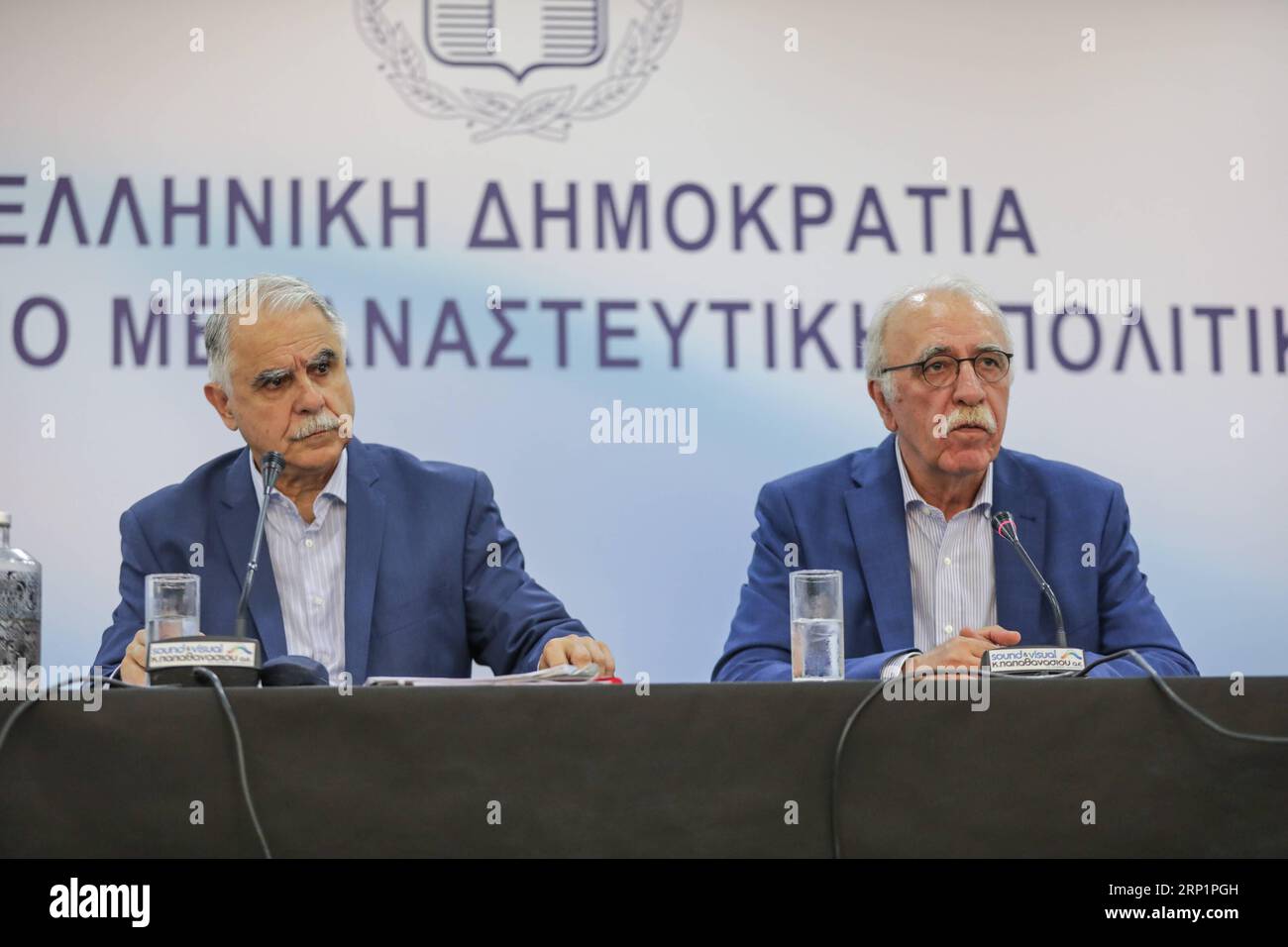
The broader context of this policy involves Greece’s migration minister, Dimitris Kairidis, who has frequently articulated a firm stance on the cultural and societal integration challenges posed by rapid migration flows. While critics argue that such rhetoric risks polarizing the public debate, the Ministry of Migration and Asylum maintains that its primary objective is to maintain order and enforce the rule of law at Europe’s external borders. The government’s recent legislative efforts are designed to ensure that the asylum process is not abused and that returns are executed in accordance with international protocols.
Understanding the Legal Framework for Returns
The current re-examination of cases is rooted in the Greek government’s determination that Turkey remains a safe haven for refugees fleeing conflict in their home countries. According to data from the Greek Ministry of Migration and Asylum, thousands of applicants currently residing in reception centers on the Aegean islands are subject to these renewed assessments. The legal underpinning for these decisions is found in the “safe third country” concept, which allows EU member states to reject asylum applications without a full substantive review if the applicant has already passed through a country where they could have safely resided.
However, the application of this policy has drawn significant scrutiny from international observers. The UNHCR and various non-governmental organizations have expressed concerns regarding the individual assessment of claims, emphasizing that every applicant has a right to a fair and thorough review of their specific circumstances. The tension between Greece’s desire to deter irregular migration and its obligations under the 1951 Refugee Convention remains a constant point of friction in Brussels and at the domestic level.
In practice, the re-opening of these cases means that applicants are being recalled for interviews to verify whether their initial claims still hold weight, or if they fall under the criteria for “inadmissibility.” If the Greek authorities determine that the applicant’s case does not justify protection within Greece, the individual faces a formal return procedure. This process is often slowed by diplomatic difficulties in coordinating returns with Turkish authorities, a situation that has fluctuated significantly since the 2016 agreement was first established.
The Socio-Political Climate in Athens
The discourse surrounding migration in Greece is heavily influenced by the country’s frontline role in the management of the Mediterranean route. While the government of Prime Minister Kyriakos Mitsotakis has emphasized the need for a “tough but fair” policy, the language used by some officials has occasionally ignited intense debate. Minister Kairidis has previously noted the challenges of integrating populations with vastly different cultural backgrounds, framing the issue as a matter of preserving the cohesion of Greek and European society.
This rhetoric is often interpreted by analysts as an attempt to appeal to a domestic electorate concerned about the long-term impacts of demographic shifts and the strain on public services. Nevertheless, the government maintains that its policies are fully aligned with the EU Pact on Migration and Asylum, which seeks to standardize procedures across all member states. The goal is to create a more predictable and unified response to migration, preventing the “asylum shopping” that many officials argue undermines the integrity of the Schengen Area.
Key Takeaways for Stakeholders
- Increased Scrutiny: Asylum seekers from Syria and Afghanistan are facing a higher probability of having their cases re-evaluated under the “safe third country” doctrine.
- Legal Hurdles: The process involves complex legal challenges, as applicants have the right to appeal decisions through the Greek administrative court system.
- Diplomatic Dependencies: The actual rate of returns remains contingent on the diplomatic relationship between Athens and Ankara, which frequently experiences periods of volatility.
- Humanitarian Concerns: International monitoring bodies continue to advocate for enhanced transparency and full compliance with the principle of non-refoulement.
What Happens Next?
The immediate future for those affected by these policy changes involves a series of administrative hearings and potential appeals. Applicants who receive a negative decision regarding their admissibility have the right to challenge this in court, a process that can extend the length of their stay in Greece for months or even years. The Greek government has indicated it will continue to prioritize the processing of these cases to prevent the overcrowding of reception facilities, particularly on islands such as Lesbos, Chios, and Samos.

Looking ahead, the next significant checkpoint for this policy will be the European Commission’s progress report on the implementation of the new Migration Pact. These reports, which are published periodically to assess the performance of member states, will likely address the effectiveness and legality of the Greek government’s current approach to Syrian and Afghan asylum cases. For researchers and stakeholders, the Ministry of Migration and Asylum’s official portal provides the most accurate and up-to-date information regarding legislative changes and operational updates.
As the situation continues to evolve, we encourage our readers to stay informed through official government communications and verified reporting. If you have insights or observations regarding the impact of these changes on local communities or the asylum system, please share your thoughts in the comments section below. We remain committed to providing balanced, evidence-based reporting on the issues shaping the global economic and political landscape.
Worth a look