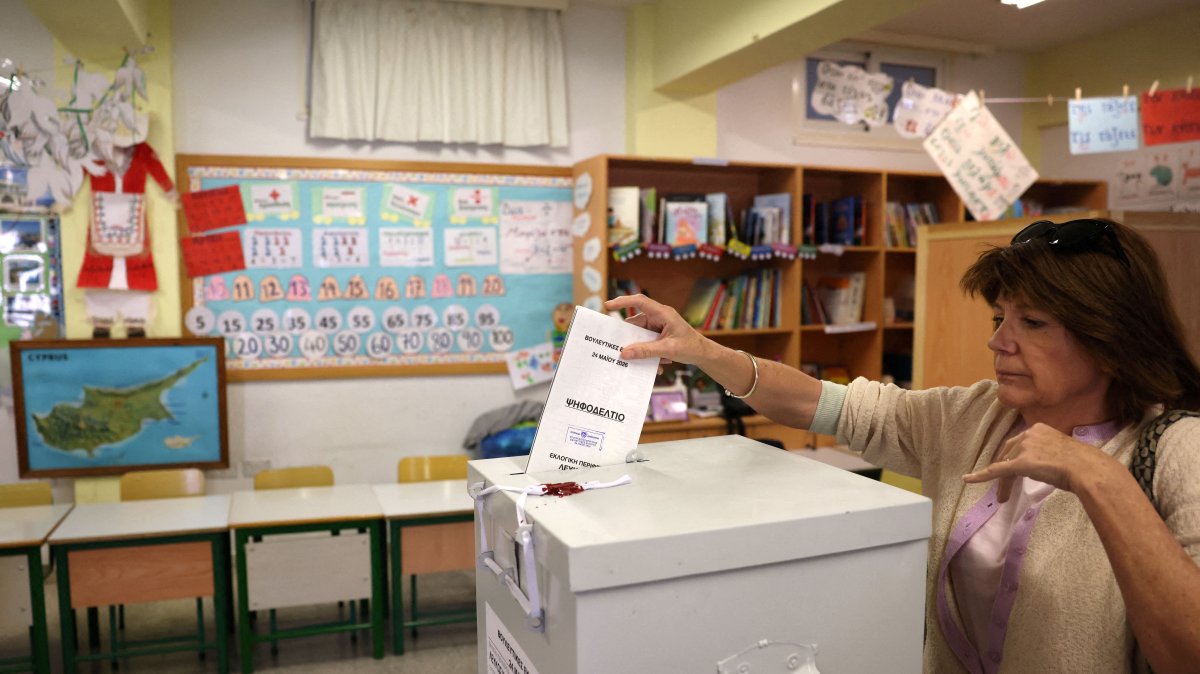
Cyprus has entered a period of significant political recalibration following parliamentary elections held on Sunday, May 24, 2026. The results, which have sent ripples through the political establishment of the European Union’s easternmost member state, were marked by a notable shift toward the far-right and the emergence of new, non-traditional political forces. As the dust settles, the outcome is being analyzed as a potential turning point for the nation’s legislative priorities and its broader geopolitical posture.
The election results saw the far-right Elam party, known for its vociferously anti-Turkish stance and its advocacy for the closure of checkpoints on the ethnically divided island, secure a significant victory. According to reports from the Guardian, the party successfully doubled its parliamentary representation, moving from four to eight seats in the 56-member legislature. This performance, which saw the party capture 10.9% of the national vote, has effectively positioned Elam as the third-largest force in the house, displacing the long-standing Democratic Party (Diko).
A Shifting Legislative Landscape
For decades, Cypriot politics has been dominated by the conservative Democratic Rally (DISY) and the left-wing Progressive Party of Working People (AKEL). However, the recent electoral data suggests that this traditional duopoly is facing unprecedented pressure. Both major parties, which have historically commanded much higher shares of the electorate, were expected to hold roughly 20% of the vote each, according to analysis from DW News. The inability of these heavyweights to maintain their traditional dominance has created a vacuum that smaller, more radical, or reform-oriented parties are increasingly filling.
The election also saw the entry of new political actors into the legislature, including a cohort of anti-corruption campaigners and social media-influenced candidates. Their success underscores a growing public appetite for change in a political system that has been characterized by internal tensions since the 2023 presidential election of Nikos Christodoulides, who ran as an independent after departing from the ranks of DISY. The failure of certain centrist groups, including the veteran left-wing EDEK—a party that had previously endorsed President Christodoulides—to meet the electoral threshold, marks a historic defeat that further complicates the President’s path to passing legislation.
Geopolitical Implications and Voter Sentiment
The rise of Elam, a party described as being inspired by Greece’s defunct neo-Nazi Golden Dawn, is being scrutinized for its potential impact on regional stability. By securing 10.9% of the vote and doubling its legislative footprint, the party has gained a more influential platform to advocate for its hardline policies regarding the island’s division. Political experts suggest that this shift could complicate future diplomatic efforts, as the party’s platform remains diametrically opposed to the integration initiatives often pursued by mainstream political actors.
As noted by electoral expert Christoforos Christoforou in coverage by the Guardian, the election results provide Elam with an “increased say in passing legislation.” This reality is forcing a re-evaluation of the political consensus in Nicosia. With the parliament serving as a traditional litmus test for presidential intentions, the shift in power dynamics suggests that President Christodoulides will face a more fragmented and contentious legislative environment in the months ahead.
Key Takeaways from the 2026 Parliamentary Elections
- Elam’s Ascent: The far-right party doubled its seat count from four to eight, becoming the third-largest party in the 56-member parliament.
- Mainstream Decline: While the traditional heavyweights, DISY and AKEL, retained leading positions, they continue to see a decline in their historic vote shares.
- Centrist Setbacks: Established centrist forces, including EDEK, failed to cross the threshold required to maintain seats in the legislature.
- New Influences: The entry of anti-corruption campaigners into the parliament signals a demand for institutional reform among the electorate.
As Cyprus moves forward, the focus will shift to how the new parliament functions under this altered composition. Whether the government can build the necessary coalitions to address the island’s economic and geopolitical challenges remains an open question. The political landscape, once defined by a predictable rivalry between two major parties, has entered a state of fluidity that will likely define the remainder of the current presidential term.

We will continue to monitor the legislative sessions and the formation of new alliances in the coming weeks. For official updates on parliamentary proceedings and further electoral analysis, citizens and observers are encouraged to consult the official portal of the House of Representatives of the Republic of Cyprus. We welcome your thoughts on these developments in the comments section below.
Related reading