
Despite significant progress in the restructuring of Greece’s national debt and the country’s formal exit from its third international bailout program in 2018, public sentiment remains deeply polarized. While international creditors and the Greek government have touted long-term fiscal stabilization as a success, many citizens continue to report a disconnect between macroeconomic indicators and their personal financial realities, citing persistent wage stagnation and the lingering impact of austerity measures.
The Greek economy has undergone a profound transformation since the height of the sovereign debt crisis, which began in 2010. Following years of strict oversight by the European Commission, the European Central Bank, and the International Monetary Fund, the country returned to international bond markets and regained investment-grade status in 2023, according to data from S&P Global Ratings. These milestones represent the culmination of years of structural reforms, pension cuts, and tax increases that were required to secure financial assistance packages totaling approximately €289 billion.
The Gap Between Macroeconomic Recovery and Household Income
For many Greeks, the technical success of debt restructuring has not translated into a tangible improvement in living standards. Inflationary pressures in the Eurozone, particularly regarding energy and food costs, have exacerbated the financial strain on households that were already weakened by a decade of economic contraction. According to the European Union’s statistical office, Eurostat, Greece continues to grapple with some of the lowest median disposable income levels in the European Union, a reality that fuels persistent public skepticism toward official economic narratives.

The sentiment of bitterness often stems from the perception that the burden of adjustment was disproportionately placed on the working class and pensioners. Between 2010 and 2018, Greece implemented a series of legislative changes that reduced the minimum wage and overhauled the social security system. While the government has since moved to increase the minimum wage—reaching €830 per month as of April 2024—labor unions have consistently argued that these adjustments fail to keep pace with the rising cost of living, as reported by the Organisation for Economic Co-operation and Development (OECD) in its latest economic survey.
Institutional Progress Versus Social Reality
The European Stability Mechanism (ESM), which served as the primary vehicle for the final bailout program, maintains that the reforms were essential to prevent a disorderly default and a potential exit from the Eurozone. In its post-program monitoring reports, the ESM emphasizes that Greece’s debt-to-GDP ratio is on a downward trajectory, a key metric for long-term fiscal sustainability. However, the social cost of these policies remains a point of contention in domestic political discourse.
The divide is particularly visible in the differing priorities of policymakers and the electorate. While the government focuses on attracting foreign direct investment and maintaining market confidence, many citizens prioritize the restoration of public services, such as healthcare and education, which suffered significant budget cuts during the crisis years. This tension is frequently reflected in public opinion polls, where a notable segment of the population expresses dissatisfaction with the current pace of economic recovery despite the positive assessments from international financial institutions.
What Lies Ahead for the Greek Economy
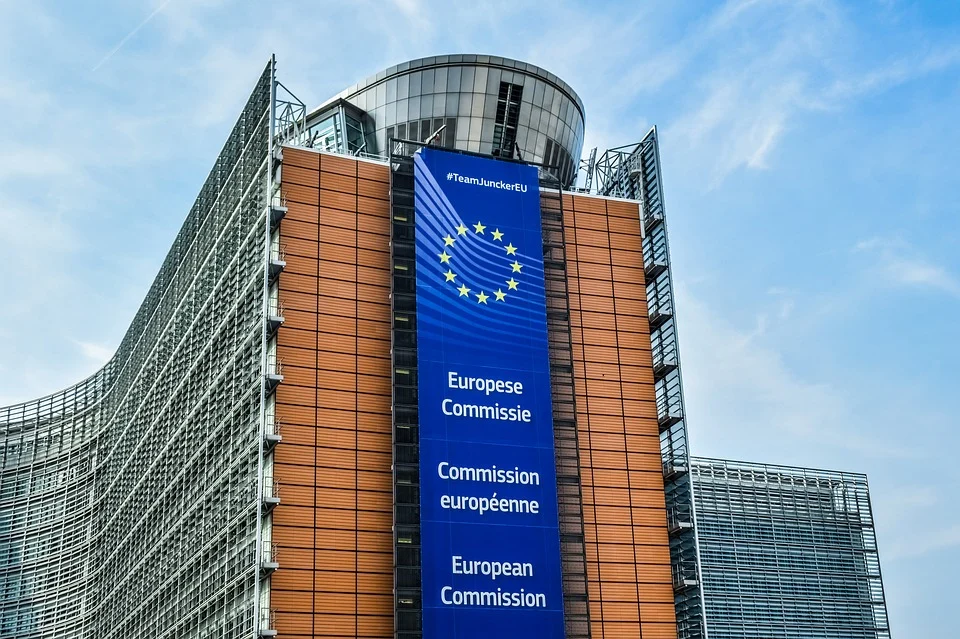
The Greek government is now focused on maintaining fiscal discipline while navigating the challenges of an aging population and the need for a green energy transition. The European Commission continues to monitor Greece under its “enhanced surveillance” framework, ensuring that the country adheres to its medium-term fiscal targets. The next major checkpoint for fiscal policy will be the European Semester cycle, where Greece must submit its updated stability and convergence programs to the European Commission for review, as mandated by the EU’s Stability and Growth Pact.
As the country moves further away from the immediate crisis period, the debate is shifting from how to survive the debt burden to how to achieve sustainable, inclusive growth. Whether the current economic trajectory will eventually bridge the gap between institutional success and individual well-being remains the central question for Greece’s political future. We invite our readers to share their perspectives on these economic developments in the comments section below.