
Securing permanent residency in the United States requires strict adherence to federal immigration statutes, often necessitating professional legal guidance for applicants in Leander, Texas, and throughout the Williamson County region. Individuals seeking to obtain a Green Card must navigate a complex series of eligibility requirements, filing procedures, and evidentiary standards established by the U.S. Citizenship and Immigration Services (USCIS). Whether an applicant is pursuing a path through family sponsorship, employment-based petitions, or humanitarian relief, federal regulations dictate a precise sequence of documentation and background vetting that remains consistent across all jurisdictions.
According to the U.S. Department of Homeland Security, the process for obtaining a Permanent Resident Card generally involves a multi-step verification process, including the submission of Form I-485, Application to Register Permanent Residence or Adjust Status, for those already residing in the United States. Applicants must demonstrate their eligibility under specific categories defined by the Immigration and Nationality Act (INA). Because each category carries unique evidentiary burdens—such as proving the validity of a familial relationship or the specific qualifications for an employment-based visa—many applicants consult with legal practitioners to ensure compliance with current federal mandates.
Understanding Permanent Residency Eligibility Paths
The path to legal permanent residency is typically categorized by the nature of the application, each governed by specific sections of U.S. immigration law. Family-based immigration allows U.S. citizens and permanent residents to sponsor immediate relatives, a process that requires substantial proof of the familial bond. Employment-based immigration, conversely, often requires a sponsoring employer to obtain a labor certification from the U.S. Department of Labor before a petition can be filed with USCIS. The agency provides comprehensive guidance on these categories through its official Green Card Eligibility Categories portal.

Humanitarian pathways, such as asylum or refugee status, operate under different legal frameworks. These applications often involve rigorous interviews and background checks conducted by federal authorities to determine if the applicant faces persecution in their home country. Because the failure to provide complete or accurate information can result in the denial of a petition or, in some cases, removal proceedings, legal counsel often assists applicants in compiling the necessary records. The Executive Office for Immigration Review maintains lists of recognized organizations and attorneys for those seeking assistance with these complex administrative processes.
The Role of Legal Counsel in Immigration Filings
For residents in Leander and the surrounding Texas area, professional legal assistance typically focuses on the preparation and review of mandatory federal forms. Attorneys specializing in immigration law provide services such as verifying that all required supporting documents—including birth certificates, marriage licenses, and financial affidavits—meet the technical requirements set by the federal government. According to the American Immigration Lawyers Association, legal practitioners also prepare clients for mandatory interviews at local USCIS field offices, where immigration officers assess the credibility of the application.
Beyond basic filing, legal counsel may represent clients in more complex scenarios, such as responding to a Request for Evidence (RFE) issued by USCIS. An RFE is a formal notice indicating that an application is missing specific documentation or that further clarification is required before a decision can be reached. Handling these requests accurately is critical to preventing delays or outright denials. Official updates regarding case processing times and fee schedules are published regularly by USCIS, and applicants are encouraged to monitor these sources to ensure their filings remain current with changing federal policies.
What Happens Next: Monitoring Your Application
Once a petition is submitted, the applicant enters a period of administrative review. The timeline for this process varies significantly based on the applicant’s country of origin, the specific visa category, and the current workload at the regional service center. Applicants can track the progress of their case online using the receipt number provided by USCIS after the initial filing. It is important to note that any change of address or change in employment status must be reported to federal authorities promptly to ensure that all correspondence is received.
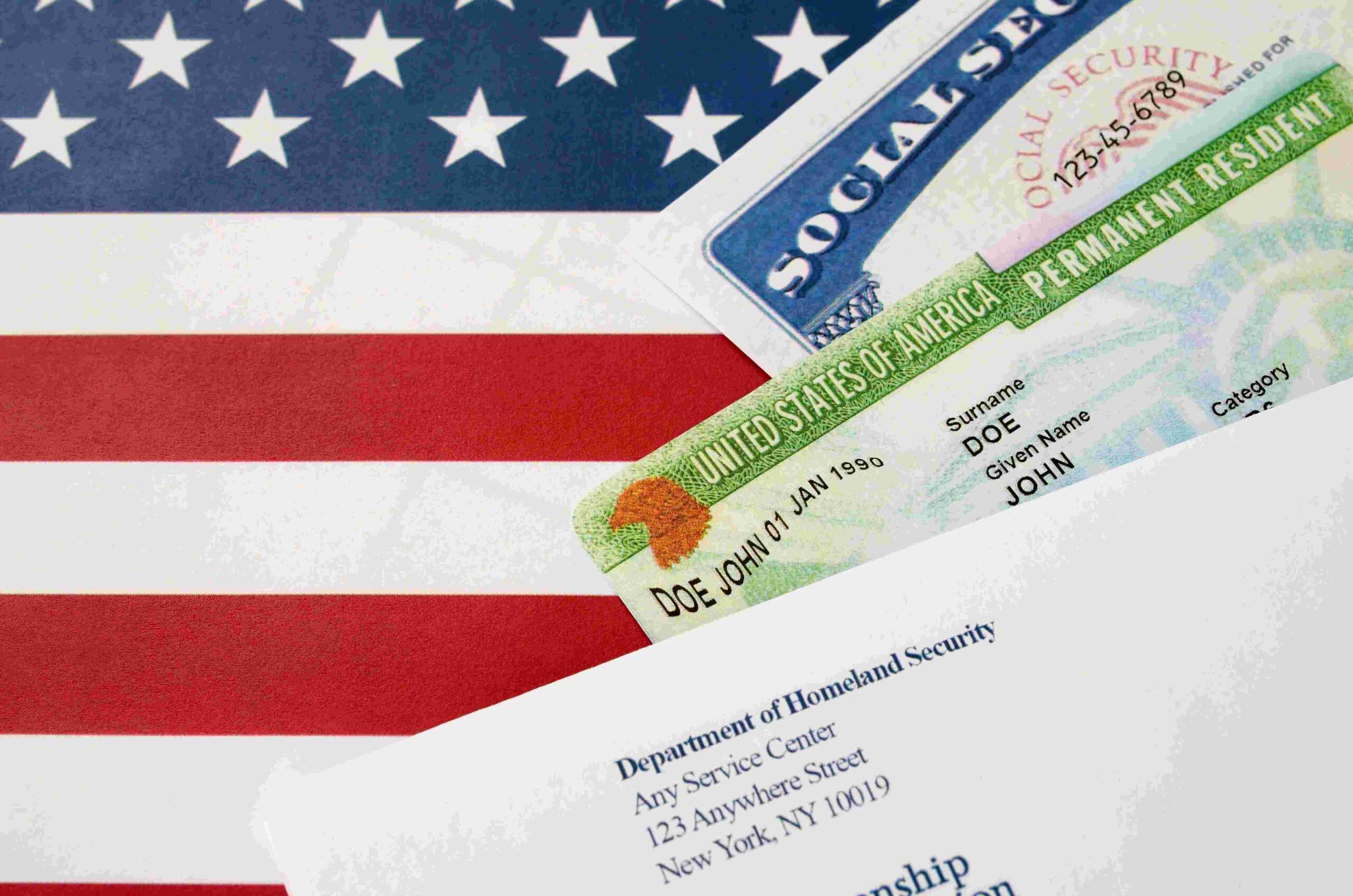
The final stage of the process usually involves a formal decision from USCIS. If approved, the applicant receives a permanent resident card, granting them the right to live and work indefinitely in the United States, subject to the laws of the country. For those currently preparing their documentation, the most reliable source for forms and procedural instructions remains the official government website. Engaging with qualified legal professionals can help ensure that all steps are completed according to the latest regulatory standards. Readers are invited to share their experiences with the immigration process or ask questions regarding these administrative requirements in the comments section below.
Keep reading