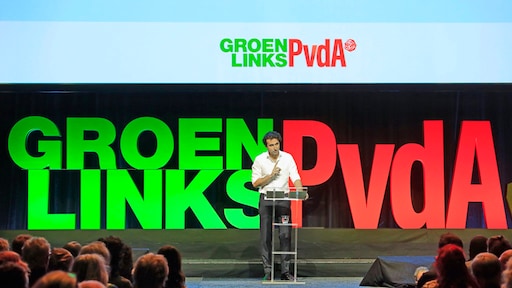
The Dutch political landscape continues to evolve as the GroenLinks-PvdA (GreenLeft-Labour Party) alliance prepares to unveil its new name on Thursday, marking a significant step in their ongoing merger. This consolidation of two historically prominent Dutch parties aims to create a stronger force on the left, though the path to unification hasn’t been without its internal debates and external challenges. The alliance has already invested significantly in publicizing the rebranding, signaling its commitment to establishing a distinct identity.
The fusion between GroenLinks and PvdA, a process that began gaining momentum in 2023, represents a strategic realignment within Dutch politics. In June 2023, members of both parties overwhelmingly approved the merger, with 89% of GroenLinks members and 88% of PvdA members voting in favor, according to reporting from Dutch media outlets. This strong endorsement from the grassroots level paved the way for formal collaboration in both the First and Second Chambers of the Dutch Parliament.
A History of Collaboration and Internal Debate
The partnership between GroenLinks and PvdA isn’t entirely new. The two parties have been working closely together for several years, culminating in a joint parliamentary group in the First Chamber (Senate) since June 2023. Later that year, they presented a unified list of candidates for the Second Chamber (House of Representatives) elections, a first for the two organizations. This collaborative approach reflects a shared desire to address pressing issues such as climate change, social inequality, and economic justice. The Wikipedia entry for GroenLinks-PvdA details the leadership structure of the combined factions, with Paul Rosenmöller (GroenLinks) leading the First Chamber group and Mei Li Vos (PvdA) serving as the deputy leader and secretary.
However, the merger wasn’t universally welcomed. Internal opposition arose, particularly from within the PvdA, led by former party leader Ad Melkert. Concerns were voiced that the core social democratic values of the PvdA might be overshadowed within the broader, more environmentally focused alliance. Similar anxieties were expressed within GroenLinks, with some members cautioning against ideological dilution. These internal tensions highlight the complexities inherent in merging parties with distinct histories and ideological nuances.
Significant Investment in Rebranding
The GroenLinks-PvdA alliance has demonstrated a strong commitment to its new identity through a substantial investment in advertising. According to the Dutch political advertising register, the party has spent over €290,000 on promotional materials across various media platforms, including newspapers, online channels, radio, television, and public transport advertising spaces. The transparency declaration details this expenditure, underscoring the importance the alliance places on effectively communicating its message to the Dutch electorate.
Navigating a Complex Political Landscape
The formation of the GroenLinks-PvdA alliance comes at a pivotal moment in Dutch politics. The November 2023 elections saw Geert Wilders’ Party for Freedom (PVV) emerge as the largest party in Parliament, but building a stable governing coalition has proven challenging. Several parties initially expressed reluctance to collaborate with the PVV due to its controversial stances on immigration and Islam. However, recent signals suggest a potential shift in dynamics, with some parties indicating a willingness to explore collaboration under certain conditions.
The GroenLinks-PvdA alliance, while not expected to lead the next government, is poised to play a significant role in shaping the political agenda. As noted in a report by World Today Journal, initial reactions within the party following the recent elections were “muted,” with some members acknowledging that the anticipated surge in support didn’t fully materialize. Despite this, the alliance remains a substantial force in Parliament, holding 20 out of 150 seats in the Second Chamber and 14 out of 75 seats in the First Chamber, as of March 2026. They also hold 8 of the 31 seats in the European Parliament, split between the Green/EFA and S&D factions.
The Future of Dutch Left-Wing Politics
The merger of GroenLinks and PvdA represents a broader trend towards consolidation within the Dutch left. By combining their resources and voter bases, the two parties aim to present a more unified and compelling alternative to the center-right and right-wing parties that have dominated Dutch politics in recent years. The success of this strategy will depend on their ability to effectively address the concerns of their respective constituencies and forge a cohesive political platform.
The unveiling of the new name on Thursday is a crucial step in this process. It will signal the alliance’s vision for the future and its commitment to representing the interests of a broad range of Dutch voters. The choice of name is expected to reflect the combined values of both parties, emphasizing both environmental sustainability and social justice. The alliance hopes that a fresh identity will resonate with voters and position them as a viable force for change in the years to arrive.
Looking ahead, the GroenLinks-PvdA alliance faces the challenge of navigating a complex and fragmented political landscape. The formation of a stable government will require compromise and collaboration across party lines. The alliance’s ability to play a constructive role in these negotiations will be crucial in shaping the future direction of Dutch politics. The next key date to watch will be the ongoing coalition talks, with potential announcements regarding government formation expected in the coming weeks.
Key Takeaways:
- GroenLinks and PvdA have officially merged, unveiling a new name on Thursday, March 20, 2026.
- The merger was approved by overwhelming majorities of members from both parties in June 2023.
- The alliance has invested over €290,000 in advertising to promote its new brand.
- The GroenLinks-PvdA alliance holds significant representation in the First and Second Chambers of the Dutch Parliament, as well as in the European Parliament.
- The future of Dutch politics remains uncertain, with ongoing coalition negotiations following the November 2023 elections.
What are your thoughts on the GroenLinks-PvdA merger? Share your opinions in the comments below, and don’t forget to share this article with your network!
Worth a look