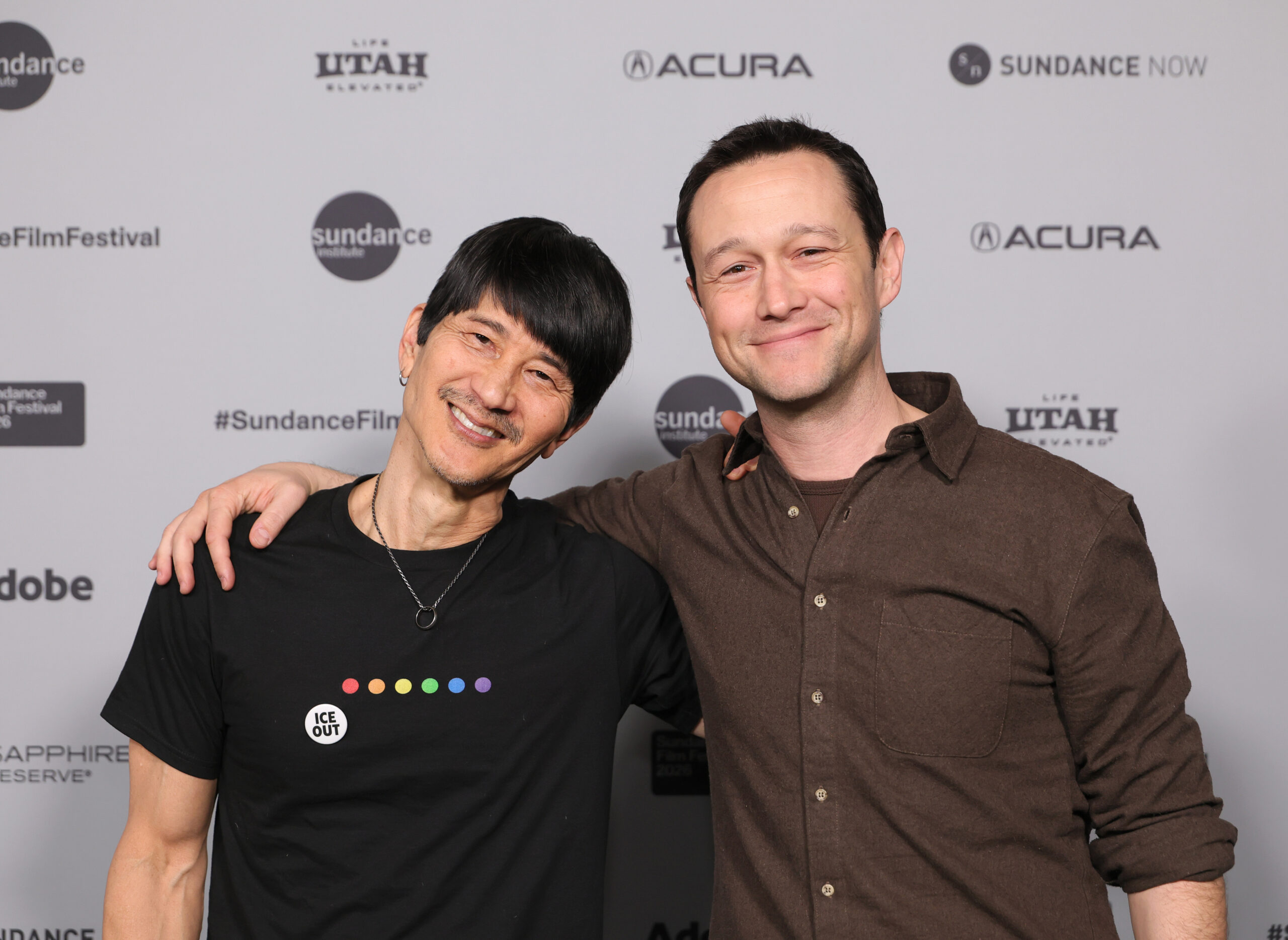
Few films possess the power to haunt a viewer long after the screen fades to black, but Gregg Araki’s 2004 masterpiece Mysterious Skin remains one of the most visceral examples of cinematic trauma. The film’s enduring relevance was recently highlighted during the 2026 Sundance Film Festival, where a stunning 4K restoration of the work was presented to a new generation of cinephiles and critics.
Screened on January 28, 2026, at the Library Center Theatre in Park City, Utah, the legacy screening served as both a retrospective and a reminder of the film’s unflinching gaze. Accompanied by director Gregg Araki and actor Joseph Gordon-Levitt, the event underscored the film’s position within the independent film canon—not merely as a piece of provocative art, but as a devastatingly accurate study of the long-term psychological wreckage caused by childhood sexual abuse.
Warning: This article contains plot details and spoilers for the film Mysterious Skin.
The Visual Language of Trauma
The power of Gregg Araki’s Mysterious Skin lies in its ability to weaponize the mundane. The film juxtaposes the gauzy, nostalgic imagery of American suburbia with the harrowing reality of grooming and violence. One of the most indelible images cited by attendees of the legacy screening is the “waterfall of Froot Loops” dropping onto an eight-year-old boy’s head—a scene that transforms a childhood staple into a symbol of violation.

This contrast is central to the film’s impact. By using universal touchstones of a suburban upbringing—station wagons, sugary cereal boxes, and Little League baseball—Araki grounds the horror in a reality that feels accessible and, more terrifying. The film suggests that the most unthinkable violations often occur within the safest, most familiar environments.
The narrative follows two protagonists, Neil (played by Joseph Gordon-Levitt) and Brian (played by Brady Corbet), who were both victims of the same predator during their childhood. Their paths to processing this trauma are diametrically opposed: Neil is forced into a life of survival and cynicism, while Brian represses the memory entirely, convincing himself that he was abducted by extraterrestrials.
From Page to Screen: The Influence of Scott Heim
The film is based on the original novel by Scott Heim, whose unflinching approach to the subject matter drew Araki to the project. Araki has noted that Heim’s brilliance lay in the way the author incorporated the specific details of suburban life to make the reader feel as though their own childhood was being violated. For Araki, who grew up in Santa Barbara, these details resonated deeply, making the project a personal “labor of love.”

Because of its challenging subject matter and the director’s commitment to the source material, the film was produced with minimal financial backing. This independence allowed Araki to maintain an uncompromising vision, ensuring that the cycle of abuse and the resulting erasure of self-worth were depicted without sanitization. The result is a psychological drama that refuses to offer uncomplicated answers or comfortable resolutions.
The restoration of the film in 4K allows these meticulously crafted images to be seen with renewed clarity. From the dingy bathrooms of New York to the attic where Brian attempts to decipher the “alien” drawings that haunt his dreams, the visual fidelity enhances the claustrophobia and emotional intensity of the characters’ journeys.
The Cycle of Abuse and the Search for Identity
At its core, Mysterious Skin is an exploration of how sexual violence renders a victim’s identity unknowable. The film depicts the devastating trajectory of Neil’s life, showing him massaging the back of a man suffering from AIDS in a room adorned with a reprint of Johannes Vermeer’s “Girl with a Pearl Earring.” This image serves as a poignant metaphor for the intersection of beauty, suffering, and the desperate need for human connection.
The climax of the film, where Neil and Brian finally confront their shared history, is one of the most emotionally taxing sequences in independent cinema. Sitting together on a cream-colored couch while Christmas carolers sing “Silent Night” in the distance, the two men hold each other—a moment of profound, quiet devastation that acknowledges the permanence of their loss.
The film’s release in 2004 (verified via IMDb) marked a significant moment in the depiction of male victimization on screen, challenging societal stigmas surrounding masculinity and trauma. By focusing on the internal collapse of the victims rather than solely on the act of violence, Araki created a work that functions as both a warning and a testament to survival.
Why Mysterious Skin Still Matters
The 2026 restoration emphasizes that the themes of Mysterious Skin remain urgent. The film does not merely depict abuse; it examines the “grooming” process—the way a charismatic authority figure, such as a Little League coach, can manipulate a child’s trust through compact gestures and psychological traps.
By revisiting this work, the film community acknowledges the ongoing need for narratives that center the victim’s psychological reality. The “staggering and devastating triumph” of the film is its refusal to look away, forcing the audience to sit with the discomfort and the grief of the characters.
As the film continues to be studied and restored, it stands as a reminder of the power of independent cinema to tackle the most difficult aspects of the human experience. Mysterious Skin is not an easy watch, but it is an essential one for those seeking to understand the enduring shadow cast by childhood trauma.
The 4K restoration is expected to be available through specialized boutique distributors in the coming months, ensuring that Araki’s vision is preserved for future scholars and viewers.
Do you believe modern cinema handles the depiction of trauma more effectively than the indie films of the early 2000s? Share your thoughts in the comments below or share this article with fellow cinephiles.