
Heavy rainfall continues to impact southern China, prompting authorities to initiate emergency responses as regional weather bureaus issue high-level warnings. Local disaster reduction committees in Guangdong Province have officially activated a Level IV emergency response for disaster relief, reflecting the severity of the ongoing meteorological conditions across the region. With the situation evolving rapidly, provincial and municipal departments are coordinating efforts to mitigate risks associated with flooding, waterlogging, and potential structural hazards caused by the extreme precipitation.
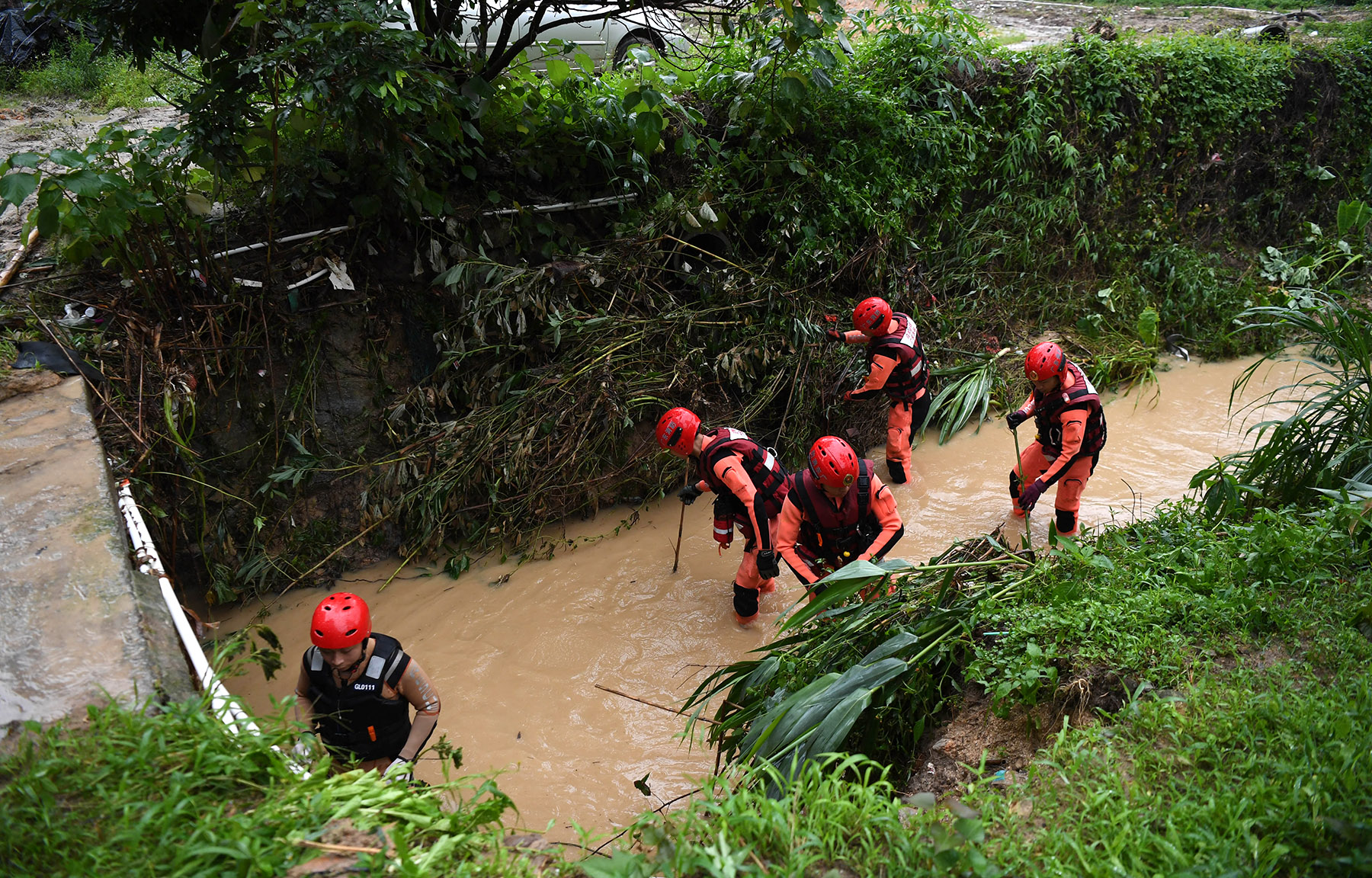
The activation of the Level IV emergency response follows a period of persistent, heavy rainfall that has saturated critical infrastructure and necessitated proactive safety measures. According to official reporting from the China Meteorological Administration, the region is experiencing a sustained period of severe convective weather, which has led to localized flooding and prompted authorities to prioritize the safety of residents in vulnerable areas. The coordination of these emergency protocols is designed to streamline the deployment of resources, including search and rescue teams, medical support, and emergency supplies to affected communities.
Emergency Protocols and Public Safety Measures
As the storm systems move across Guangdong, local governments have implemented comprehensive safety protocols to protect the populace. In several cities, including Jiangmen and Kaiping, authorities have ordered the suspension of work and school operations to minimize exposure to dangerous weather conditions. These measures are part of a broader strategy to ensure public safety as water levels rise in rivers and urban drainage systems face significant pressure. The China Meteorological Service has provided ongoing updates regarding the trajectory of these rainstorms, urging citizens to remain indoors and avoid low-lying areas prone to flash flooding.
In addition to suspensions of activity, emergency management bureaus have overseen the movement of thousands of residents from high-risk zones. The systematic relocation of individuals is a cornerstone of the provincial disaster response strategy, aimed at preventing casualties in areas where the terrain is susceptible to landslides or severe inundation. These operations are conducted in partnership with local community leaders and emergency responders who monitor water levels and structural integrity of flood defenses around the clock.
Infrastructure Resilience and Monitoring
The impact of the rainfall has been felt across critical infrastructure, including transport networks and public utilities. Reports of localized damage—such as the structural concerns involving bridges—have necessitated immediate intervention from local engineering and traffic management departments. In high-risk sectors, such as Maoming, local authorities have moved to secure infrastructure within minutes of detecting potential hazards, illustrating the urgency with which regional teams are responding to the changing environment. Monitoring systems, including those operated by the Guangdong Meteorological Bureau, continue to provide real-time data to help officials decide when to implement emergency closures or reroute traffic.
The situation in Shenzhen serves as a focal point for the broader regional strategy, where the issuance of orange-level warnings for heavy rain has triggered a heightened state of readiness. Urban centers in the Pearl River Delta are particularly sensitive to these weather events due to their high population density and complex drainage requirements. By maintaining a robust communication line between weather monitoring stations and municipal emergency centers, authorities aim to reduce the lag time between a weather warning and the implementation of protective measures on the ground.
Key Takeaways for Affected Residents
For those currently within the path of the severe weather, staying informed through official channels is paramount. The following steps are consistently recommended by provincial authorities to ensure individual and community safety during this period of intense meteorological activity:
- Monitor Official Advisories: Always rely on updates from the local meteorological bureaus for the most accurate and timely information regarding weather warnings.
- Follow Evacuation Orders: If authorities issue an order to relocate, residents are encouraged to act immediately to ensure they are moved to designated shelters before conditions deteriorate further.
- Avoid High-Risk Zones: Stay clear of riverbanks, low-lying tunnels, and mountainous areas where the risk of landslides remains elevated during heavy, continuous rain.
- Check Infrastructure Updates: Before commuting, verify the status of public transport, schools, and major roads, as closures are subject to rapid change based on real-time flood monitoring.
The provincial disaster reduction committee continues to monitor the situation, with teams standing by to escalate response levels if the meteorological outlook worsens. The focus remains on both immediate disaster relief and the long-term stabilization of affected regions once the rain subsides. As the situation remains fluid, further updates regarding recovery efforts and the status of infrastructure will be provided by local emergency management offices as they become available.
We will continue to track the developments of this weather event as further reports arrive from the region. If you have been affected by the recent storms or have insights into the local recovery process, we invite you to share your experiences in the comments section below. Stay safe, and ensure you remain connected to local emergency alerts.
Related reading