
The high-stakes world of Formula 1 often demands a delicate balance between team discipline and the raw competitive spirit of its drivers. Recently, this dynamic was brought into sharp focus following the Canadian Grand Prix, where Mercedes team principal Toto Wolff made the bold decision to allow his drivers, George Russell and the young prospect Andrea Kimi Antonelli, to race one another without restrictive team orders. This tactical choice, which prioritized on-track racing over conservative management, has drawn significant praise from industry observers, most notably former Haas team principal Guenther Steiner.
In the modern era of Formula 1, where every point in the Constructors’ Championship is worth millions of dollars, team principals are frequently criticized for micromanaging their drivers. However, Wolff’s approach in Montreal signaled a departure from the cautious strategies often seen in the paddock. By permitting his drivers to engage in a wheel-to-wheel battle, Wolff not only showcased his confidence in his personnel but also delivered the kind of spectacle that fans and experts believe is vital for the sport’s ongoing growth. According to reports from Formula 1’s official news portal, the tactical freedom afforded to drivers remains a central point of contention and debate among team leaders.
The 2026 Formula 1 season has introduced a transformative wave of technical and sporting regulations, fundamentally altering how cars are designed and how races are managed. This new regulatory environment, overseen by the FIA, has been met with varying degrees of success across the grid. Mercedes, in particular, has navigated these shifts with impressive technical acumen, marking a period of competitive resurgence for the Brackley-based outfit. As noted by the governing body’s technical bulletins, the convergence of these new regulations has tightened the performance window for all teams, making the internal management of driver dynamics more critical than ever.
Steiner’s Perspective: A Shift in Team Leadership
Guenther Steiner, whose tenure at Haas was defined by his unfiltered and pragmatic approach to management, has been vocal about the evolving role of the team principal. Reflecting on the Mercedes decision, Steiner noted that the willingness to let drivers race is a hallmark of a team that is confident in its car’s performance and its drivers’ maturity. In an era where data-driven strategy often dictates every move, Steiner’s endorsement of Wolff’s “remarkable” call highlights a preference for traditional racing values over purely algorithmic decision-making.

The relationship between a driver and their team principal is arguably the most critical partnership in the paddock. When a leader like Wolff opts for transparency and freedom, it fosters a culture of accountability. As documented by Motorsport.com, the internal dynamics at Mercedes have been under intense scrutiny as the team looks to solidify its position at the front of the grid throughout the 2026 campaign.
Understanding the 2026 Regulatory Landscape
To understand why Wolff’s decision was so significant, one must look at the pressures imposed by the current FIA regulations. The 2026 rules were designed to promote closer racing and greater sustainability, but they have also introduced complexities regarding fuel flow, electrical power output, and aerodynamic efficiency. These changes have forced teams to be more precise in their energy management, which traditionally leads to stricter team orders to protect the car’s mechanical integrity.
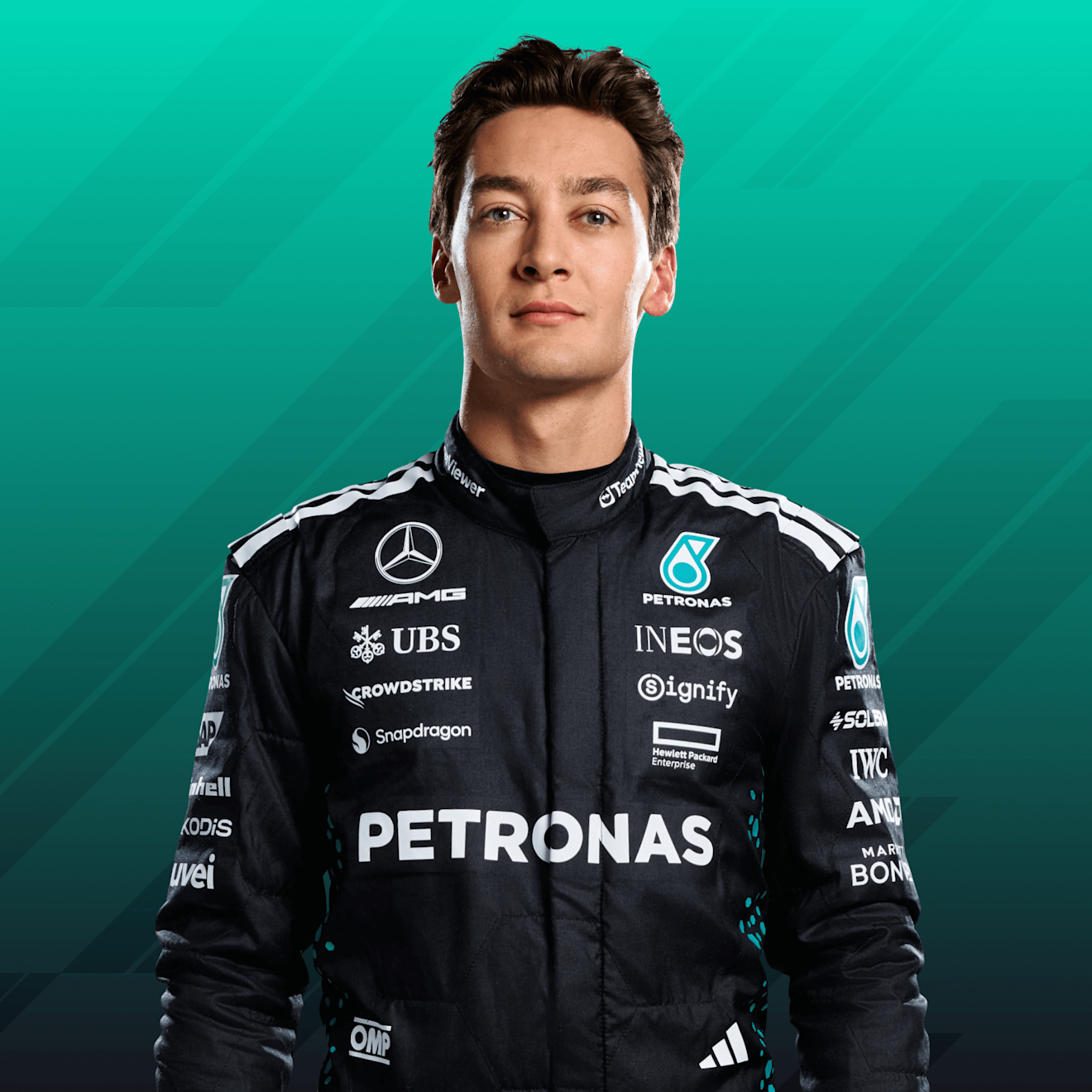
Mercedes’ ability to maintain a competitive edge while allowing internal competition is a testament to the engineering stability of the W17—the current iteration of their challenger—and the clear communication lines established between the pit wall and the cockpit. The team’s recent performance metrics, tracked by industry analysts at RaceFans, indicate that Mercedes has successfully balanced these new technical constraints while maintaining the highest top-speed profiles in the field.
The Human Element: Russell and Antonelli
George Russell, a veteran of the Mercedes program, and Andrea Kimi Antonelli, the rising star stepping into the spotlight, represent the past, present, and future of the team. Allowing them to battle in Canada was as much a test of their professional development as it was a strategic choice. For Antonelli, the experience of fighting a teammate of Russell’s caliber is an essential step in his progression toward becoming a consistent front-runner.
Wolff has frequently emphasized that his role is to provide the best tools possible and then allow the drivers to execute. This philosophy stands in contrast to teams that utilize rigid driver hierarchies. By fostering an environment where competition is encouraged, Mercedes is effectively future-proofing its lineup, ensuring that both drivers remain sharp, motivated, and capable of extracting the maximum performance from the car regardless of the race scenario.
What Lies Ahead for Mercedes
As the 2026 season progresses, the focus will shift toward the upcoming European leg of the calendar. The challenges faced in Montreal, characterized by varying track surfaces and unpredictable weather, will serve as a baseline for the team’s development program. According to the official FIA race calendar, the next series of upgrades and technical evaluations are scheduled to take place during the mid-season testing period, which will be critical for maintaining the current momentum.

For fans and observers, the question remains: will Mercedes continue this “hands-off” approach if the championship fight becomes even tighter? If the current trend of dominance holds, we may see more instances of intra-team battles that push both drivers to their limits. The sport relies on these moments of genuine friction and skill to capture the imagination of the global audience.
We invite you to share your thoughts on the evolving nature of team orders in Formula 1. Do you believe more team principals should follow Toto Wolff’s lead, or is the risk to the Constructors’ Championship too great? Join the conversation below and stay tuned to World Today Journal for further updates as the season unfolds.