
The municipality of Chilapa in the state of Guerrero has become a focal point of terror as local residents and indigenous leaders issue urgent pleas for federal intervention. The escalating violence in Chilapa Guerrero is primarily attributed to the activities of “Los Ardillos,” a notorious criminal organization that has tightened its grip on the region, leaving a trail of killings, forced disappearances, and systemic displacement in its wake.
For the people of the Montaña region, the situation has evolved from sporadic clashes into a sustained humanitarian crisis. The targeting of community organizers and indigenous representatives has created a vacuum of leadership and a climate of pervasive fear, where the basic right to movement and assembly is now dictated by the whims of armed groups.
The crisis reached a breaking point following a series of brutal attacks targeting members of the Consejo Indígena de Pueblos de la Montaña (Cipog), an organization dedicated to the defense of indigenous rights and territorial autonomy. These events have underscored the vulnerability of rural communities in southwestern Mexico, where the absence of state security often leaves civilians at the mercy of paramilitary-style organizations.
As the death toll rises and families are forced to abandon their ancestral lands, the international community and human rights observers are increasingly concerned about the lack of a cohesive government strategy to dismantle the criminal structures operating in Guerrero.
The Targeted Campaign Against Cipog-EZ
The violence has taken a particularly dark turn with the systemic targeting of the Cipog-EZ. In a series of coordinated strikes, members of the criminal group Los Ardillos reportedly killed three integrantes of the indigenous council and forcibly disappeared two others. These attacks are viewed by human rights advocates not as random acts of crime, but as a strategic effort to silence those who oppose the group’s territorial expansion and illegal activities.
The Cipog-EZ has long been a voice for the marginalized indigenous populations of the Montaña region, advocating for land rights and the preservation of traditional governance. By eliminating these leaders, Los Ardillos aim to remove the social barriers that prevent them from controlling local resources and transit routes. The disappearance of council members is a common tactic used to instill psychological terror, leaving families in a state of permanent uncertainty.
Reports from the region indicate that the violence is not limited to high-profile leaders. The discovery of multiple bodies along roads leading to indigenous zones has become a grim regularity. In recent incidents, six bodies were abandoned on a road leading to the indigenous heartland of Guerrero, followed by the discovery of another four murdered individuals on a separate highway. These public displays of violence serve as “messages” to the population, signaling that resistance to the group’s authority is met with lethal force.
Who are Los Ardillos? Understanding the Threat
To understand the current security crisis, one must examine the nature of Los Ardillos. Unlike some of the larger, more internationally recognized cartels, Los Ardillos operate with a paramilitary structure, deeply embedded in the local social and political fabric of the Montaña region. They are known for their ability to blend into the community while maintaining a rigid, violent hierarchy.
The group’s operations typically involve the extortion of local businesses, the control of illegal logging, and the movement of narcotics. However, their most dangerous characteristic is their perceived alliance or overlap with local political actors, which often grants them a degree of impunity. This “captured state” dynamic means that local police forces are frequently either intimidated into silence or actively collaborating with the criminals.
The Montaña region of Guerrero is geographically isolated, characterized by rugged terrain and poor infrastructure. This isolation provides Los Ardillos with a natural fortress, making it demanding for federal forces to maintain a permanent presence. When the Mexican army or National Guard conducts sweeps of the area, the group typically retreats into the mountains, only to return and retaliate against the civilians who cooperated with the authorities once the troops depart.
The Humanitarian Toll and Forced Displacement
The impact of the violence in Chilapa Guerrero extends far beyond the immediate casualties. A growing number of families are fleeing their homes to escape the predation of Los Ardillos. Forced displacement has become a survival strategy for hundreds of residents who can no longer guarantee the safety of their children or their livestock.
Displaced families often migrate to larger cities like Chilpancingo or Acapulco, where they face extreme poverty and a lack of basic services. The loss of land is particularly devastating for indigenous communities, as their identity and spiritual life are inextricably linked to their ancestral territories. When a family is forced to leave their land, it is not merely a financial loss but a cultural erasure.
The psychological trauma is equally profound. In Chilapa, the “culture of silence” has taken hold. Residents are hesitant to report crimes to the local authorities for fear of being labeled informants—a designation that almost certainly leads to execution. The plea for “urgent help” currently echoing from the region is a desperate call for a security force that is not compromised by local corruption.
A Pattern of State Neglect and Impunity
The crisis in Guerrero is not an isolated event but part of a long-term pattern of instability in the state. Guerrero has historically been a flashpoint for social unrest and political violence, stemming from deep-seated inequalities and a history of government repression of peasant movements.
Critics argue that the federal government’s approach to the region has been reactive rather than preventative. While high-profile arrests occur occasionally, the underlying structures that allow groups like Los Ardillos to thrive—such as the lack of economic opportunity and the fragility of the judicial system—remain unaddressed. The high rate of impunity for crimes committed against indigenous people ensures that the cycle of violence continues unabated.
International human rights organizations have frequently highlighted the “blind spots” in Mexico’s security strategy, where the state cedes control of rural territories to criminal actors in exchange for a superficial, fragile peace. In Chilapa, this peace has long since evaporated, replaced by a predatory regime where the criminal group acts as the de facto government, collecting “taxes” through extortion and administering “justice” through violence.
What In other words for the Future of the Montaña Region
The current trajectory suggests that without a comprehensive, multi-dimensional intervention, the Montaña region could face a total collapse of social order. The eradication of indigenous leadership through the targeting of Cipog-EZ members suggests a move toward total territorial hegemony by Los Ardillos.
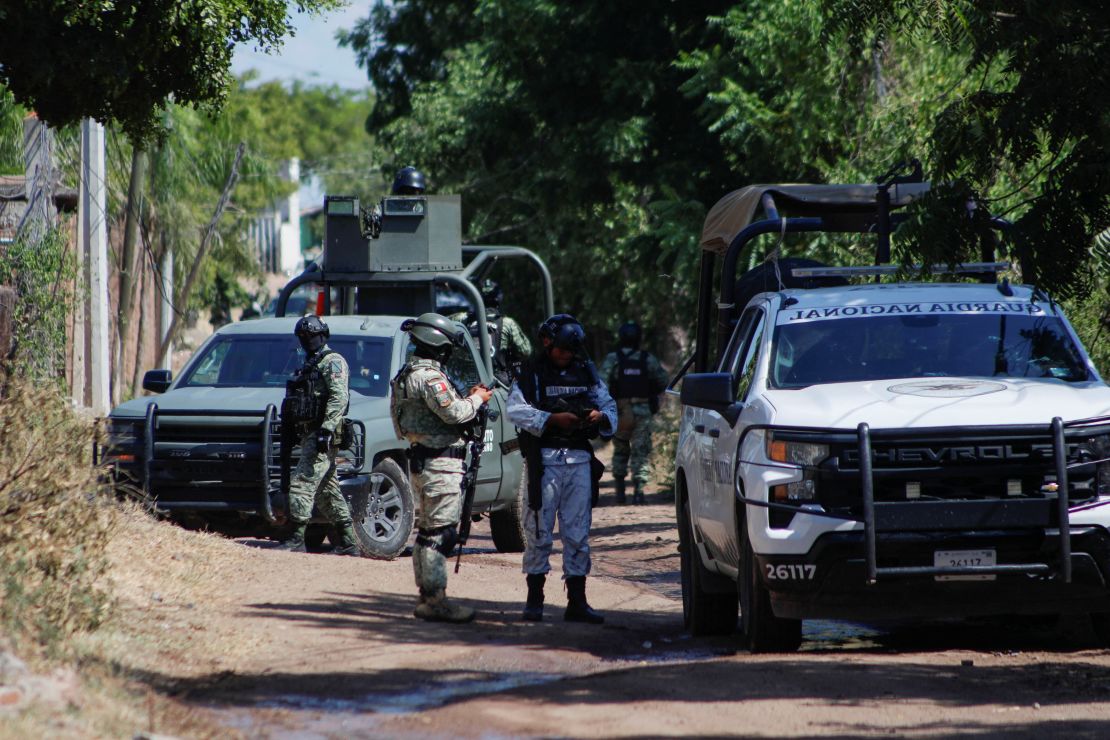
A successful resolution would require more than just an increase in troop presence. Experts suggest a three-pronged approach:
- Security Reform: The complete purging and restructuring of local police forces in Chilapa to ensure they are not infiltrated by criminal elements.
- Judicial Accountability: The establishment of specialized federal prosecutors to investigate the disappearances and murders of indigenous leaders, ensuring that the perpetrators are brought to trial.
- Social Investment: Direct investment in indigenous agriculture and infrastructure to reduce the economic dependency of the population on the illegal economies managed by the cartels.
The urgency of the situation cannot be overstated. Every day that passes without a meaningful shift in strategy is another day where the population of Chilapa remains trapped between the violence of Los Ardillos and the indifference of the state.
Key Takeaways: The Crisis in Chilapa
- Primary Aggressor: The criminal group Los Ardillos is the dominant force of violence in the region, utilizing paramilitary tactics to control territory.
- Targeted Victims: Members of the indigenous council Cipog-EZ have been specifically targeted, with reports of three killings and two disappearances.
- State of Emergency: Local residents are pleading for urgent federal help as local security forces are deemed unreliable or complicit.
- Humanitarian Impact: High levels of forced displacement are occurring as families flee the Montaña region to escape extortion and murder.
- Systemic Issue: The violence is exacerbated by geographic isolation and a historical pattern of impunity for crimes against indigenous populations in Guerrero.
The situation remains fluid, with residents continuing to monitor the roads and the movements of armed groups. The next critical checkpoint for the region will be the potential deployment of additional National Guard units and the official response from the federal government regarding the missing members of the Cipog-EZ.
World Today Journal will continue to monitor the developments in Guerrero. We encourage our readers to share this report to bring international attention to the plight of the indigenous communities in Chilapa. Please leave your thoughts and comments below.
Keep reading