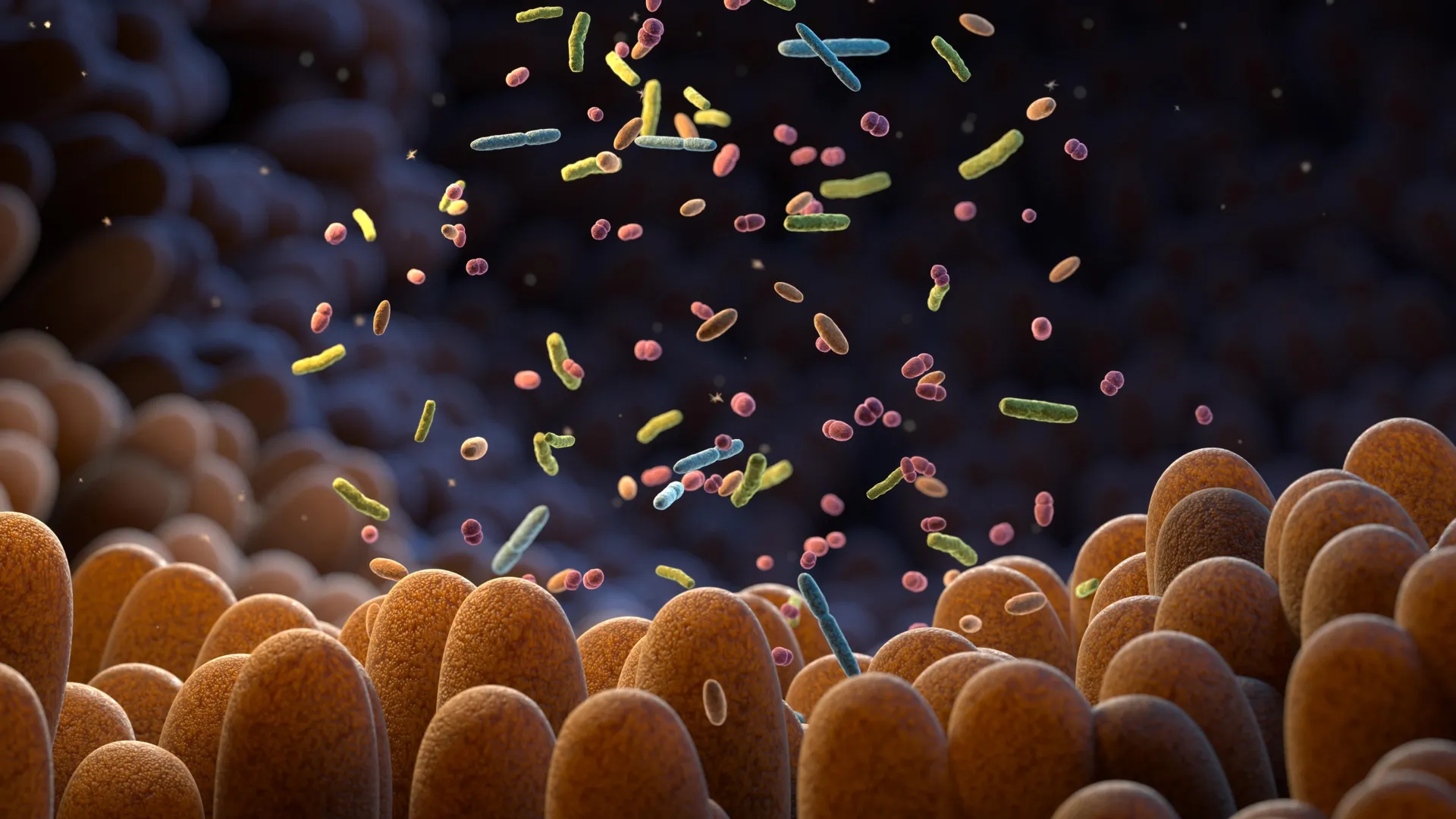
The human gut is far more than just a digestive tract; it’s a complex ecosystem teeming with trillions of microorganisms – bacteria, viruses, fungi, and more – collectively known as the gut microbiome. This intricate community plays a pivotal role in overall health, influencing everything from immunity and nutrient absorption to mental wellbeing. Recent research is revealing that these gut bacteria aren’t simply passive inhabitants, but active sensors, constantly monitoring their environment and responding to a surprising array of chemical signals. Understanding how gut bacteria perceive their surroundings is proving to be a key to unlocking new strategies for promoting gut health and potentially treating a range of diseases.
For years, microbiology research has largely focused on pathogenic, or disease-causing, bacteria. However, a growing body of evidence highlights the importance of commensal bacteria – the beneficial microbes that naturally reside in our gut – and their ability to detect and react to subtle changes in their environment. This ability to sense their surroundings isn’t random; it’s a finely tuned process that allows them to thrive and contribute to a healthy gut ecosystem. The study of these sensory mechanisms is a relatively new field, but it’s rapidly gaining momentum as scientists recognize the profound impact of the gut microbiome on human health. The intricate communication between gut bacteria and the human body is increasingly recognized as a cornerstone of wellbeing, and understanding the language of this communication is crucial.
A recent international research effort, spearheaded by Victor Sourjik and involving scientists from the Max Planck Institute for Terrestrial Microbiology, the University of Ohio, and the Philipps-University Marburg, has shed new light on the sensory capabilities of gut bacteria. Their work centered on Clostridia, a group of motile bacteria abundant in the human gut known for their beneficial effects. This research, published in scientific journals, demonstrates that these bacteria possess receptors capable of recognizing a remarkably broad spectrum of metabolic compounds, including breakdown products from carbohydrates, fats, proteins, DNA, and amines. This discovery challenges previous assumptions about bacterial sensing and opens up new avenues for exploring the complex interactions within the gut microbiome.
The Gut’s Sensory Landscape: What Signals Matter Most?
The research team’s systematic screening revealed that different types of bacterial sensors exhibit distinct preferences for specific classes of chemicals. This suggests that gut bacteria aren’t simply responding to whatever’s available, but are selectively tuned to detect signals that are most relevant to their survival, and function. By combining laboratory experiments with bioinformatic analysis, the researchers identified several chemical ligands – molecules that bind to receptors – that control bacterial movement. This movement, they found, is largely driven by the search for nutrients, indicating that these bacteria are actively seeking out food sources in their environment.
Among the many chemicals tested, lactic acid (lactate) and formic acid (formate) emerged as particularly important stimuli. These compounds frequently triggered a response in the bacterial sensors, suggesting they serve as key nutrient sources for gut bacteria. Lactate and formate are produced during the fermentation of carbohydrates and proteins, and their presence signals a readily available energy source for these microbes. Interestingly, some gut bacteria can even produce these compounds themselves, highlighting the importance of a process called ‘cross-feeding’ – where one bacterial species releases metabolites that other species can utilize as food. This cooperative behavior is crucial for maintaining a stable and resilient gut ecosystem.
Uncovering New Sensory Receptors and Their Functions
The research didn’t stop at identifying key nutrient signals. The team also made significant strides in discovering previously unknown groups of sensory domains – the regions of receptors responsible for recognizing specific molecules. These newly characterized sensors are specifically attuned to lactate, dicarboxylic acids, uracil (a building block of RNA), and short-chain fatty acids (SCFAs). SCFAs, such as butyrate, acetate, and propionate, are produced by gut bacteria during the fermentation of dietary fiber and have been linked to numerous health benefits, including improved gut barrier function and reduced inflammation. As detailed in research published in Microorganisms, these metabolites play a critical role in the gut-brain axis.
the researchers determined the crystal structure of a novel dual sensor that responds to both uracil and acetate. This allowed them to visualize how these molecules bind to the sensor at a molecular level, providing valuable insights into the mechanics of bacterial sensing. This sensor belongs to a larger family of sensory domains with diverse functions, suggesting that the principles governing bacterial sensing are likely conserved across different species and environments. The ability to understand these molecular interactions is a significant step forward in deciphering the complex language of the gut microbiome.
Evolutionary Flexibility and the Adaptability of Gut Bacteria
The study also explored the evolutionary relationships between uracil sensors and related sensory domains. The findings revealed that the ability to recognize specific molecules can change relatively easily over time, demonstrating a remarkable degree of flexibility in bacterial sensing mechanisms. This adaptability allows bacteria to adjust their sensory capabilities as their environments change, ensuring their survival and continued function within the gut ecosystem. This evolutionary plasticity is a testament to the resilience and adaptability of gut bacteria, and it underscores the importance of maintaining a diverse and balanced microbiome.
“Our research project has significantly expanded the understanding of sensory abilities of beneficial gut bacteria,” explains Victor Sourjik. “To our knowledge, this is the first systematic analysis of the sensory preferences of non-model bacteria that colonise a specific ecological niche. Looking ahead, our approach can be similarly applied to systematically investigate sensory preferences in other microbial ecosystems.” This opens the door to a more comprehensive understanding of microbial sensing in diverse environments, from the soil to the ocean.
The Gut-Brain Connection and the Role of Microbial Metabolites
The implications of this research extend far beyond the gut itself. The gut microbiome is increasingly recognized as a key player in the gut-brain axis – the bidirectional communication network between the gut and the brain. Microbial metabolites, such as SCFAs, can influence brain function and behavior through various mechanisms, including modulation of neurotransmitter production and immune signaling. As outlined in the Microorganisms study, gut bacteria can produce compounds like dopamine, serotonin, and GABA, all of which play crucial roles in mood regulation and cognitive function.
Disruptions in the gut microbiome, known as dysbiosis, have been linked to a range of neurological and psychiatric disorders, including anxiety, depression, and autism spectrum disorder. By understanding how gut bacteria sense their environment and produce these neuroactive metabolites, researchers hope to develop targeted interventions to restore gut health and improve brain function. This could involve dietary modifications, prebiotic or probiotic supplementation, or even fecal microbiota transplantation – a procedure that involves transferring fecal matter from a healthy donor to a recipient.
Future Directions and the Potential for Personalized Nutrition
The research on bacterial sensing is still in its early stages, but it holds immense promise for the future of personalized nutrition and microbiome-targeted therapies. By identifying the specific signals that gut bacteria respond to, scientists can develop dietary strategies to promote the growth of beneficial microbes and optimize gut health. For example, increasing the intake of fiber-rich foods can stimulate the production of SCFAs, which have numerous health benefits. Similarly, consuming fermented foods, such as yogurt and kimchi, can introduce beneficial bacteria into the gut.
Looking ahead, researchers plan to expand their investigations to other microbial ecosystems and explore the sensory preferences of a wider range of bacterial species. They also aim to develop new tools and technologies for monitoring gut microbial activity in real-time, allowing for a more precise understanding of the dynamic interactions within the gut microbiome. The ultimate goal is to harness the power of the gut microbiome to improve human health and prevent disease.
Key Takeaways
- Gut bacteria are not passive inhabitants of the gut; they actively sense their environment and respond to a variety of chemical signals.
- Lactic acid and formic acid are key nutrient sources for gut bacteria and play a crucial role in maintaining a healthy microbiome.
- The discovery of new sensory receptors provides valuable insights into the mechanisms of bacterial sensing and opens up new avenues for therapeutic intervention.
- The gut microbiome is intimately connected to the brain through the gut-brain axis, and microbial metabolites can influence brain function and behavior.
- Personalized nutrition strategies, tailored to the individual’s gut microbiome, hold promise for improving gut health and preventing disease.
Further research is ongoing to fully elucidate the complex interplay between gut bacteria, their environment, and human health. The scientific community continues to refine our understanding of the gut microbiome, and new discoveries are constantly emerging. Stay tuned for updates as this exciting field continues to evolve. We encourage you to share your thoughts and experiences with gut health in the comments below.
Worth a look