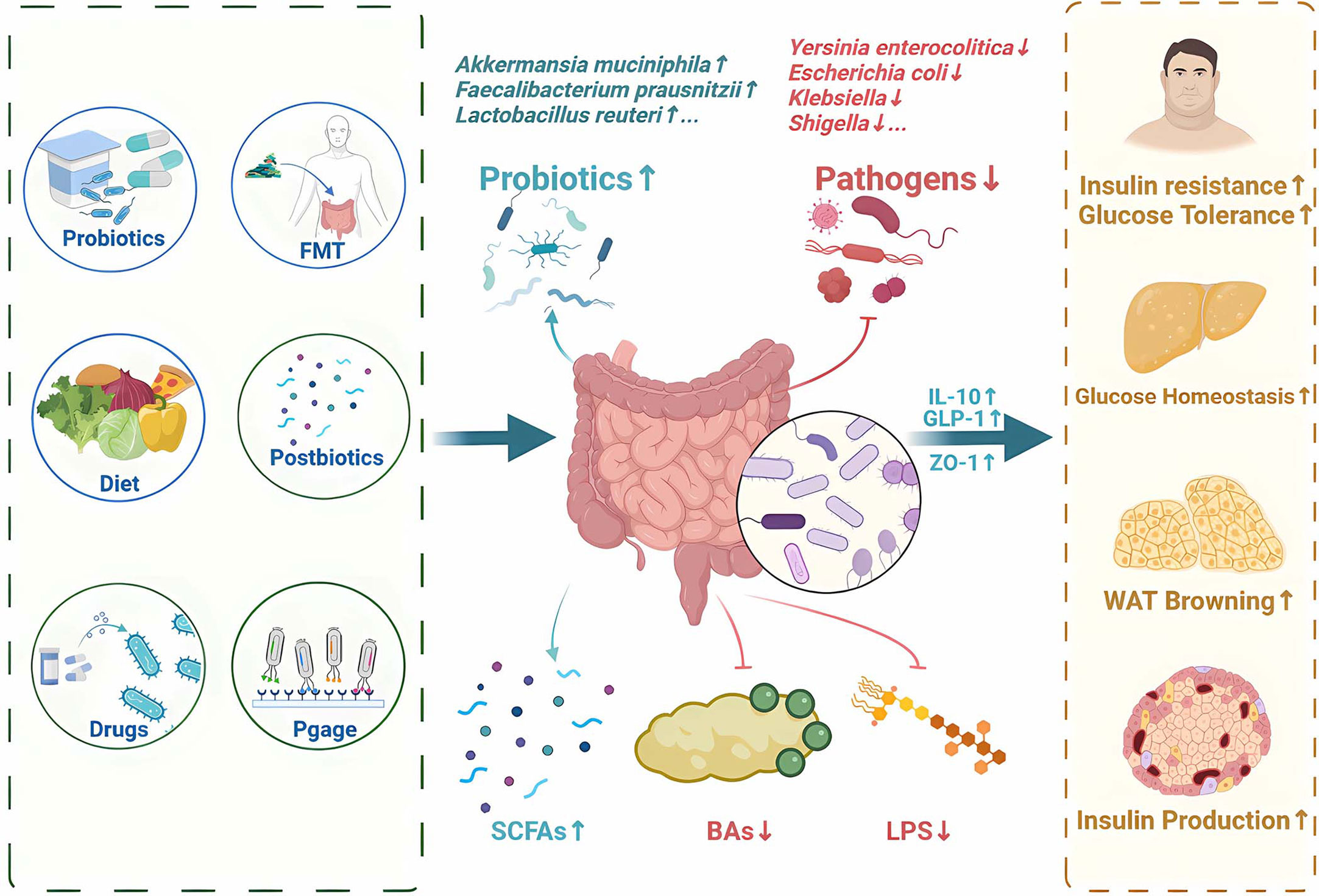
Recent research indicates that specific shifts in the human gut microbiome can serve as predictive markers for type 2 diabetes, often appearing years before clinical symptoms manifest. By analyzing the complex ecosystem of bacteria within the digestive tract, investigators are identifying microbial patterns that correlate with metabolic dysregulation, potentially offering a new window for early preventative intervention in high-risk populations.
As a physician, I have followed the evolution of microbiome research with keen interest. The connection between the gut and systemic metabolic health is no longer a fringe theory; it is a central focus of modern endocrinology and internal medicine. Understanding how these microbial communities change provides a clearer picture of the biological precursors to chronic disease.
The Microbiome as a Metabolic Indicator
The gut microbiome—a vast collection of bacteria, viruses, and fungi residing in the digestive system—plays a critical role in how the body processes glucose and manages inflammation. According to data published by the National Institutes of Health, specific microbial compositions are consistently associated with insulin resistance, a hallmark of pre-diabetes and type 2 diabetes. When the balance of these microorganisms is disrupted, often referred to as dysbiosis, the body’s ability to maintain glucose homeostasis can be significantly impaired.
Researchers have observed that individuals who eventually develop type 2 diabetes often exhibit a reduction in microbial diversity and a decrease in bacteria that produce short-chain fatty acids (SCFAs). These SCFAs, such as butyrate, are essential for maintaining the integrity of the gut lining and reducing systemic inflammation. When these beneficial bacterial populations decline, the resulting metabolic shift can precede the onset of elevated blood sugar levels by several years, as noted in studies conducted by the American Diabetes Association.
Predictive Modeling and Diagnostic Potential
The integration of microbiome data into predictive models is a significant step forward in personalized medicine. By utilizing high-throughput sequencing technologies, scientists can now map an individual’s microbial profile and compare it against datasets of patients who have progressed to diabetes. This approach moves beyond traditional risk factors, such as body mass index (BMI) or family history, by providing a direct look at the biological environment influencing metabolic function.
Evidence suggests that these microbial signatures could eventually be used as a non-invasive screening tool. The Lancet Diabetes & Endocrinology has highlighted that while clinical diagnostic criteria for diabetes remain focused on HbA1c and fasting plasma glucose, integrating microbiome assessments could allow clinicians to identify “metabolic pre-diabetes” stages that current tests might miss. This shift toward early detection is vital, as lifestyle interventions are most effective when implemented before the pancreas loses significant insulin-producing capacity.
Factors Influencing Gut Health
While the microbiome is influenced by genetics, environmental factors play an equally significant role. Diet, antibiotic exposure, and physical activity levels are primary drivers of microbial composition. For example, diets high in fiber and fermented foods have been shown to support the growth of beneficial, butyrate-producing bacteria. Conversely, highly processed diets and frequent use of certain medications can diminish the protective microbial diversity necessary for metabolic health.
It is important for patients to understand that the microbiome is dynamic. Unlike a genetic predisposition, the gut environment is potentially modifiable. Through targeted nutritional changes, physicians can help patients foster a more resilient microbiome, which may mitigate the risk of developing metabolic diseases even in those with a genetic propensity.
Next Steps in Clinical Research
The medical community is now moving toward larger, longitudinal studies to validate these microbial markers across diverse populations. The goal is to standardize how these samples are collected and analyzed, ensuring that predictive models are accurate and reproducible. As we refine these tools, the objective remains the same: to transition from reactive treatment to proactive, personalized prevention.
Future updates on this topic are expected following the upcoming international conferences on metabolic disease, where new data on microbiome-gut-brain axis interactions will be presented. For those interested in their own metabolic health, I recommend discussing screenings and lifestyle modifications with a primary care physician or an endocrinologist.
Are you interested in the latest developments in microbiome research or do you have questions about metabolic health? Please share your thoughts and join the conversation in the comments section below.
Related reading
- Teri K. Geist Inaugurated as President of the American Optometric Association
- Honoring Patrick Gaudet: Tributes to Young Francophone Who Died of Cancer in 2023
- China’s Economy Grew 3% in 2022: One of Weakest Rates in 40 Years (archynewsy.com)
- Maddox and Zahara Jolie-Pitt File for Legal Name Changes (archyde.com)