Beyond Dumplings: Creative Ways to Use Leftover Gyoza Wrappers
For many home cooks, the joy of making dumplings often comes with a familiar challenge: what to do with the leftover gyoza wrappers. These delicate discs of dough, essential for crafting those savory pockets of deliciousness, frequently remain unused after a dumpling-making session. But discarding them feels wasteful, and thankfully, it’s entirely unnecessary. A growing trend in Japanese cuisine, dubbed “skin baking” or “皮バケ” (kawabake), focuses on innovative recipes that transform these often-overlooked wrappers into a variety of satisfying dishes, from savory snacks to sweet treats. This resourceful approach to cooking is gaining popularity, offering a simple and delicious solution to kitchen waste.
The appeal of utilizing leftover gyoza wrappers lies in their versatility and the minimal effort required. These recipes typically require no specialized ingredients or complicated techniques, making them accessible to cooks of all skill levels. As food costs continue to rise globally, finding ways to reduce waste and maximize ingredients is becoming increasingly important, and the gyoza wrapper revival perfectly embodies this ethos. The trend isn’t just about saving money; it’s about embracing creativity in the kitchen and discovering new flavors.
Three Innovative Recipes to Transform Your Leftover Gyoza Wrappers
Recent culinary explorations, highlighted by Tasty Japan, showcase three particularly appealing recipes for utilizing leftover gyoza wrappers: “mochi-kaki yaki” (もちカリ焼き), “kurukuru nira yaki” (くるくるニラ焼き), and mini egg tarts. Each offers a unique culinary experience, demonstrating the surprising adaptability of this humble ingredient.
Mochi-Kaki Yaki: A Savory Pancake-Style Delight
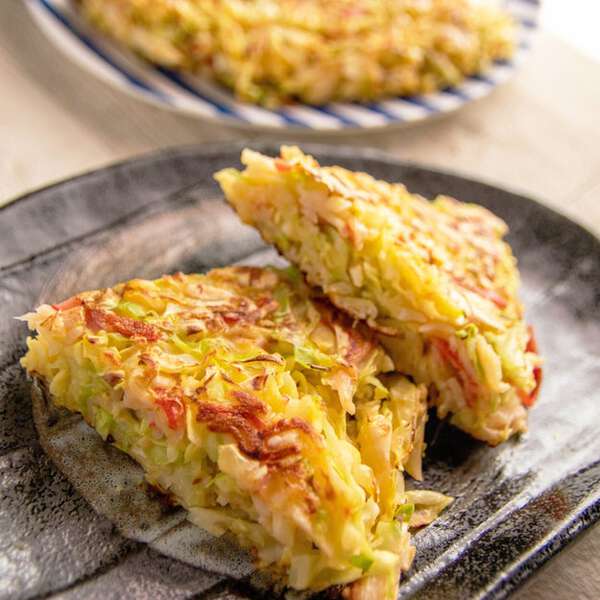
The “mochi-kaki yaki” recipe, which translates roughly to “mochi-crispy grilled,” presents a surprising transformation. It’s not an okonomiyaki, despite initial appearances. This dish utilizes chopped gyoza wrappers combined with shredded cabbage and imitation crab meat (kani kama) to create a savory pancake-like creation. BuzzFeed Japan details a simple method of mixing these ingredients and pan-frying them until golden brown and slightly crispy. The result is a dish with a delightfully chewy texture, thanks to the gyoza wrappers, and a satisfying savory flavor profile. It’s an ideal option for a quick lunch, a light dinner, or a flavorful snack.
Kurukuru Nira Yaki: A Flavorful Garlic Chive Roll
For those who enjoy bolder flavors, the “kurukuru nira yaki” (くるくるニラ焼き), or “rolled garlic chive grill,” offers a compelling option. This recipe involves wrapping garlic chives in gyoza wrappers and pan-frying them until crispy. Notably, this dish doesn’t require any meat, making it a suitable choice for vegetarians or those looking to reduce their meat consumption. According to Tasty Japan, the key to its deliciousness lies in the combination of the slightly bitter chives with the savory dough and a generous drizzle of sesame oil and garlic. The resulting rolls are described as having a crispy exterior and a soft, flavorful interior.
Gyoza Wrapper Mini Egg Tarts: A Sweet Treat
The versatility of gyoza wrappers extends beyond savory dishes. The third recipe, mini egg tarts, demonstrates their potential in the realm of desserts. These bite-sized treats require no complicated pastry-making skills, making them an accessible option for home bakers. The process involves filling the gyoza wrappers with a simple egg custard and baking them until golden brown. The resulting tarts offer a delightful combination of a flaky, slightly chewy crust and a creamy, sweet filling. This recipe proves that even leftover ingredients can be transformed into elegant and satisfying desserts.
The popularity of these recipes is reflected in the increasing online searches for ways to use leftover gyoza wrappers. According to au Web Portal, the trend is gaining traction as consumers seek creative solutions to minimize food waste. The article highlights the ease and simplicity of these recipes, emphasizing that they require no special skills or ingredients.
Beyond these three featured recipes, the possibilities for utilizing leftover gyoza wrappers are virtually endless. They can be used to create crispy chips, savory crackers, or even as a unique base for mini pizzas. The key is to embrace experimentation and explore the diverse flavors and textures that can be achieved with this versatile ingredient.
The Rise of “Kawabake” and Sustainable Cooking
The “kawabake” trend, or “skin baking,” represents a broader movement towards more sustainable and resourceful cooking practices. In a world increasingly focused on reducing food waste, finding creative ways to utilize every part of an ingredient is becoming paramount. The gyoza wrapper phenomenon is a prime example of how simple culinary innovations can contribute to a more environmentally conscious lifestyle. The trend also aligns with the growing popularity of Japanese home cooking, which often emphasizes simplicity, freshness, and respect for ingredients.
The appeal of these recipes extends beyond their practicality. They offer a sense of culinary adventure and encourage home cooks to think outside the box. By transforming a potential waste product into a delicious and satisfying meal, these recipes empower individuals to grab control of their kitchens and embrace a more sustainable approach to food.
As interest in Japanese cuisine continues to grow globally, it’s likely that the “kawabake” trend will gain even more momentum. The ease, versatility, and deliciousness of these recipes produce them a winning combination for cooks of all levels. Whether you’re a seasoned dumpling maker or simply looking for a creative way to reduce food waste, utilizing leftover gyoza wrappers is a rewarding and flavorful experience.
The next update on trending Japanese culinary techniques is expected from Tasty Japan in early April, focusing on innovative uses for leftover ramen broth. We encourage our readers to share their own creative gyoza wrapper recipes and experiences in the comments below. Let’s continue to explore the possibilities of sustainable and delicious cooking together!
Keep reading