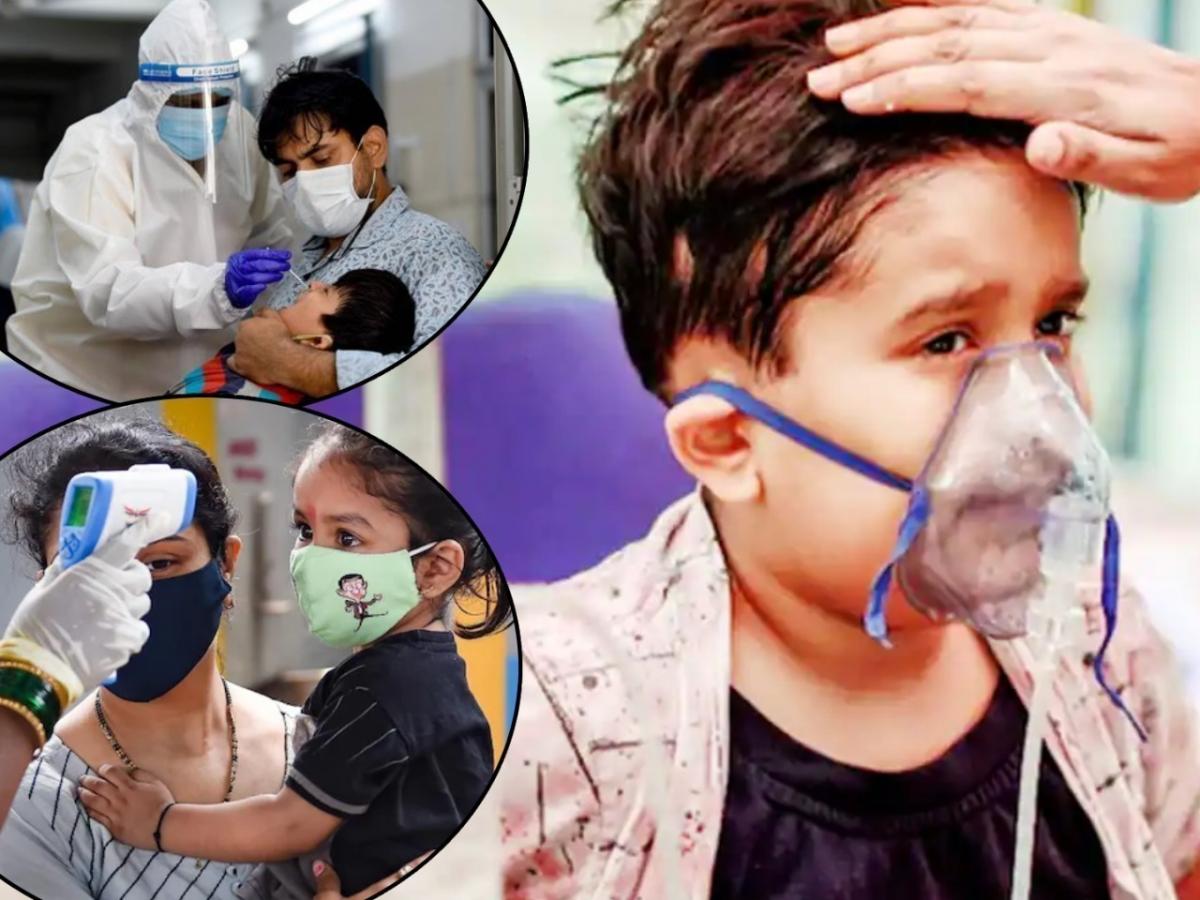
The tragedy of a 13-year-old boy’s death from H1N1 in Sorocaba, Brazil, has sparked a critical conversation about diagnostic accuracy and the dangers of dismissing early symptoms in adolescents. Bryan de Souza Camargo passed away on April 6, 2026, after a rapid decline in health that began with symptoms often mistaken for common ailments Metrópoles.
According to his father, Bryan initially presented with a cough and chest pains. While the family sought medical attention, the initial diagnostic focus reportedly drifted toward “excessive screen time” as a cause for his discomfort, rather than a viral infection. This delay in identifying the severity of the illness preceded a rapid deterioration; Bryan was eventually hospitalized but died one week after his symptoms first appeared Metrópoles.
The death was officially confirmed by the municipal government on Monday, April 13, and was attributed to Influenza A G1. This loss marks a worrying trend in the region, as Sorocaba has recorded five deaths caused by the influenza virus in 2026 alone Band.
The Escalating Influenza Crisis in Sorocaba
Public health officials in Sorocaba are facing a sharp increase in influenza cases. Since the beginning of the year, the city has registered 28 cases of the disease G1, though other reports indicate the municipality has confirmed up to 30 cases in 2026 Metrópoles. The volatility of the outbreak is evident in the timeline: in March, only one death had been confirmed—that of 20-year-old Laura Gargaro. However, within just 14 days, the number of deaths quadrupled G1.
This surge has set the local healthcare system on high alert. The virus responsible for these fatalities is Influenza A, specifically the H1N1 strain, which can lead to severe respiratory complications if not treated promptly. In the case of Bryan, the progression from initial cough and chest pain to death occurred within a single week, highlighting the aggressive nature of the virus in certain patients Metrópoles.
Understanding H1N1: Symptoms and Risks
Influenza is a respiratory infection caused by viruses from the Orthomyxoviridae family, primarily types A and B. While often dismissed as a common cold, the H1N1 strain of Influenza A can be significantly more dangerous, potentially evolving into severe pneumonia if left untreated G1.

According to the Ministry of Health, the symptoms of H1N1 can vary based on the patient’s profile, but common indicators include:
- High fever and chills
- Cough and sore throat
- Muscle aches and headache
- Fatigue and hoarseness
- Gastrointestinal issues such as vomiting and diarrhea
- Red, watery eyes
Beyond the primary respiratory symptoms, patients may develop secondary complications such as sinusitis, otitis, or severe dehydration. For those with pre-existing chronic conditions, the virus can cause a dangerous exacerbation of those underlying health issues Metrópoles.
Vaccination Gaps and Preventive Measures
The city of Sorocaba currently has an active vaccination campaign with trivalent doses available at all Basic Health Units (UBS) G1. However, there is a critical gap in coverage. Up until April 13, the vaccine was prioritized for high-risk groups, including the elderly, pregnant women, and children up to 6 years old G1. This prioritization may leave adolescents, like Bryan, more vulnerable if they do not fall into these specific categories.
Medical experts emphasize that annual vaccination is the most effective way to prevent death and severe illness from H1N1. In addition to immunization, health authorities recommend several behavioral interventions to slow the spread of the virus:
- Frequent hand hygiene using soap and water or alcohol gel.
- Avoiding touching the eyes, nose, and mouth.
- Covering the nose and mouth when sneezing or coughing.
- Avoiding the sharing of personal items like glasses, cutlery, or bottles.
- Ensuring indoor environments are well-ventilated.
- Maintaining distance from individuals showing flu-like symptoms Metrópoles.
Key Takeaways for Caregivers
- Do not ignore respiratory symptoms: Coughing and chest pain in adolescents should be evaluated thoroughly, regardless of screen time or lifestyle habits.
- Rapid Progression: H1N1 can progress from mild symptoms to critical condition within days.
- Vaccination: Check local health unit (UBS) availability for the most current vaccine guidelines for all age groups.
- Hygiene: Simple measures like ventilation and hand washing remain critical secondary defenses.
The situation in Sorocaba serves as a stark reminder of the necessity for clinical vigilance. When symptoms are attributed to modern lifestyle factors—such as “screen time”—without ruling out infectious causes, the window for life-saving intervention can close rapidly.
Local health authorities continue to monitor the outbreak. The next critical step for residents is to verify their vaccination status at the nearest UBS as the city works to curb the rising death toll.
We encourage readers to share this information to raise awareness about influenza symptoms in teenagers. Please leave your thoughts or questions in the comments below.