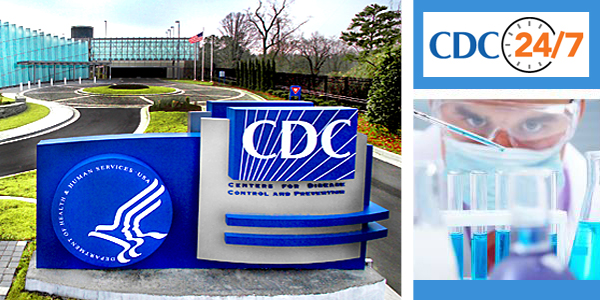
Colorado Confirms four Human Cases of H5 Bird Flu: What You Need to Know
July 14, 2024 – Public health officials are closely monitoring a developing situation in Colorado, where the Centers for Disease Control and Prevention (CDC) has confirmed four human cases of highly pathogenic avian influenza (HPAI) A(H5) – commonly known as H5 bird flu. A fifth presumptive positive case is also under inquiry. This news,following initial reports on Friday,July 12th,underscores the ongoing risk of zoonotic disease transmission,but experts currently assess the risk to the general public as low.
Who is Affected?
These cases all involve farm workers directly involved in the culling (depopulation) of poultry at a Colorado facility experiencing a significant H5N1 outbreak. The CDC has dispatched a nine-person team – including epidemiologists, veterinarians, clinicians, and an industrial hygienist – to Colorado to support the state’s response and conduct thorough assessments.This team is actively monitoring workers and testing additional specimens,continuing the strong collaboration between human and animal health authorities.
What are the Symptoms?
Fortunately,all confirmed cases have presented with mild illness. Workers reported a combination of typical flu-like symptoms – fever, chills, coughing, and sore throat/runny nose – alongside notable eye irritation, including conjunctivitis and excessive tearing. Public health officials are continuing to monitor for additional cases as testing expands.
Why this Matters: A Broader Context
This isn’t the frist time Colorado has seen H5 virus infection in humans. The state reported the first-ever U.S. case of H5 in a poultry worker back in April 2022. More recently, on July 3rd, 2024, Colorado also identified a case in a dairy worker on an affected farm. This highlights the virus’s presence in both poultry and dairy operations within the state.
These recent cases are particularly noteworthy as they are the first involving poultry workers since 2022. The earlier focus has been on dairy farms, making this a crucial development for understanding the virus’s evolving transmission patterns.
What’s Being Done? The Science Behind the Response
The CDC is currently working to genetically sequence the virus from the clinical specimens. This analysis, expected within 1-2 days, is critical. Scientists will be looking for any genetic changes that could potentially alter the virus’s behavior or impact the current risk assessment. Understanding the virus’s genetic makeup is paramount to predicting its future spread and effectiveness of current mitigation strategies.
Is the Risk Changing?
Currently,CDC recommendations regarding H5 remain unchanged. Though, these new cases will be carefully evaluated to determine if adjustments to the human health risk assessment are necessary. The CDC has over 170 staff dedicated to the H5N1 response, demonstrating the agency’s commitment to proactive monitoring and rapid response.
What Does This Meen for You?
While the risk to the general public remains low, it’s a good reminder of the importance of vigilance. Here’s what you should know:
Avoid contact with sick or dead birds and poultry. If you find dead birds, report them to your state’s wildlife or agriculture department. Practice good hygiene. Wash your hands frequently with soap and water, especially after being outdoors or around animals.
Be aware of the symptoms. If you develop flu-like symptoms and have had contact with birds or poultry, consult a healthcare professional.
Staying informed
The situation is evolving. For the latest updates and information,please refer to these resources:
CDC H5N1 Response: http://tools.cdc.gov/bird-flu/situation-summary/index.html
CDC Avian Flu Information: https://tools.cdc.gov/bird-flu/about/index.html
colorado department of Public Health & Environment: [https://cdphe.colorado.gov/press-release/colorado-state-health-officials-identify-possible-cases-of-avian-flu-in-colorado](https://cdphe.colorado.gov/press-release/colorado-state-health-officials-identify-
Worth a look
- Full Ingredient List and Analysis: Understanding the Components of Your Sunscreen
- Interim HealthCare Launches New Recruitment Campaign to Tackle Healthcare Labor Shortage
- Measles Cases Hit 35-Year High: The Start of a New Crisis (newsdirectory3.com)
- Ancient Human Relative Homo antecessor Practiced Adult Cannibalism in Spain (world-today-news.com)