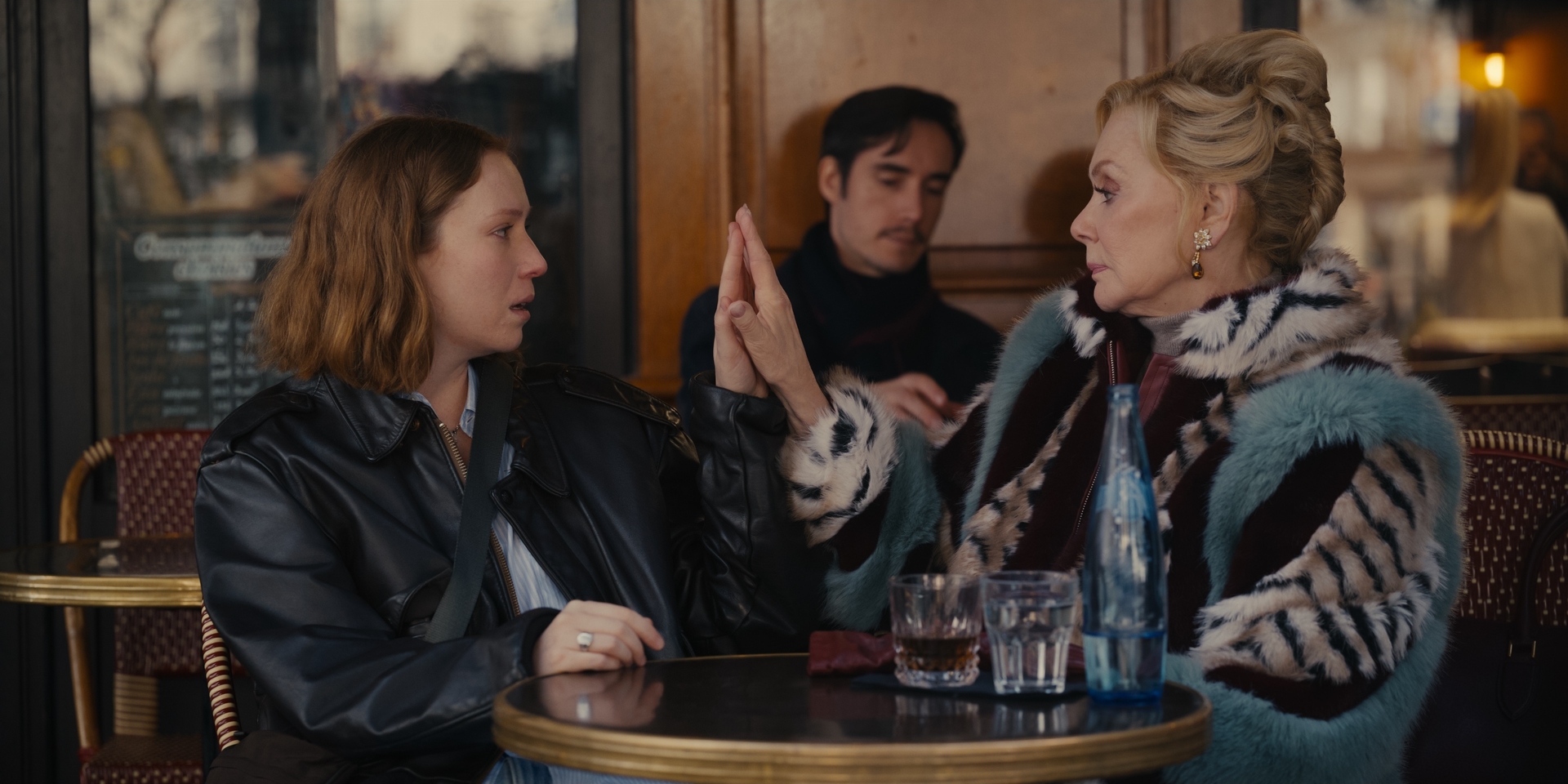
In the final act of a series defined by the relentless pursuit of artistic immortality, the conclusion of the acclaimed comedy Hacks has resonated with audiences as a masterclass in narrative closure. As the show’s central figures, Deborah Vance—portrayed by Jean Smart—and her protégé Ava Daniels, played by Hannah Einbinder, navigate the complexities of power, mentorship, and legacy, the finale serves as a poignant reflection on the cost of ambition. The series, which explored the evolving landscape of the entertainment industry, successfully transitioned from a study of intergenerational conflict into a profound meditation on the human need to be remembered.
The finale, which aired this spring, brought the relationship between the septuagenarian comedian and her young writer to a bittersweet, yet fitting, conclusion. For viewers who have followed Deborah Vance’s journey from a stagnant Vegas residency to a reclaimed spotlight, the final episodes provided a sense of architectural completeness, stitching together themes of creativity and work ethic that had been developed across the show’s five-season run.
Ava as a newly minted showrunner, exuding a well-earned sense of accomplishment —Courtesy of HBO Max
The Architecture of a Legacy
The series finale did not merely resolve plot points; it deepened the character arcs that have anchored the show. By mirroring the cinematography of the series premiere, director Lucia Aniello provided a visual bookend that highlighted the growth of both protagonists. Ava, now a confident showrunner, and Deborah, a woman who has finally reconciled her need for success with the demands of her craft, are shown to share the same fundamental motivation: the supreme pleasure derived from the work of making people laugh.
The narrative choices in these final moments underscore the creators’—Aniello, Paul W. Downs, and Jen Statsky—commitment to the show’s core themes. Deborah’s transition from a performer obsessed with the accumulation of wealth to one who prioritizes the integrity of her art is a central, if unspoken, evolution. This shift is mirrored in the show’s critique of the entertainment industry, particularly its treatment of artificial intelligence, which the series frames as antithetical to human creativity.
Megan Stalter and Paul W. Downs as a triumphant Kayla and Jimmy —Courtesy of HBO Max
Romance, Reality, and the Final Joke
The relationship between Deborah and Ava has often been compared to the dynamics of a romantic comedy, a trope the show frequently employed, and subverted. The finale’s Parisian setting served as more than a backdrop; it was a physical manifestation of the characters’ growth and their shared, platonic intimacy. However, the emotional stakes were raised by the return of Deborah’s cancer—a development that forced both characters to confront the reality of their mortality.
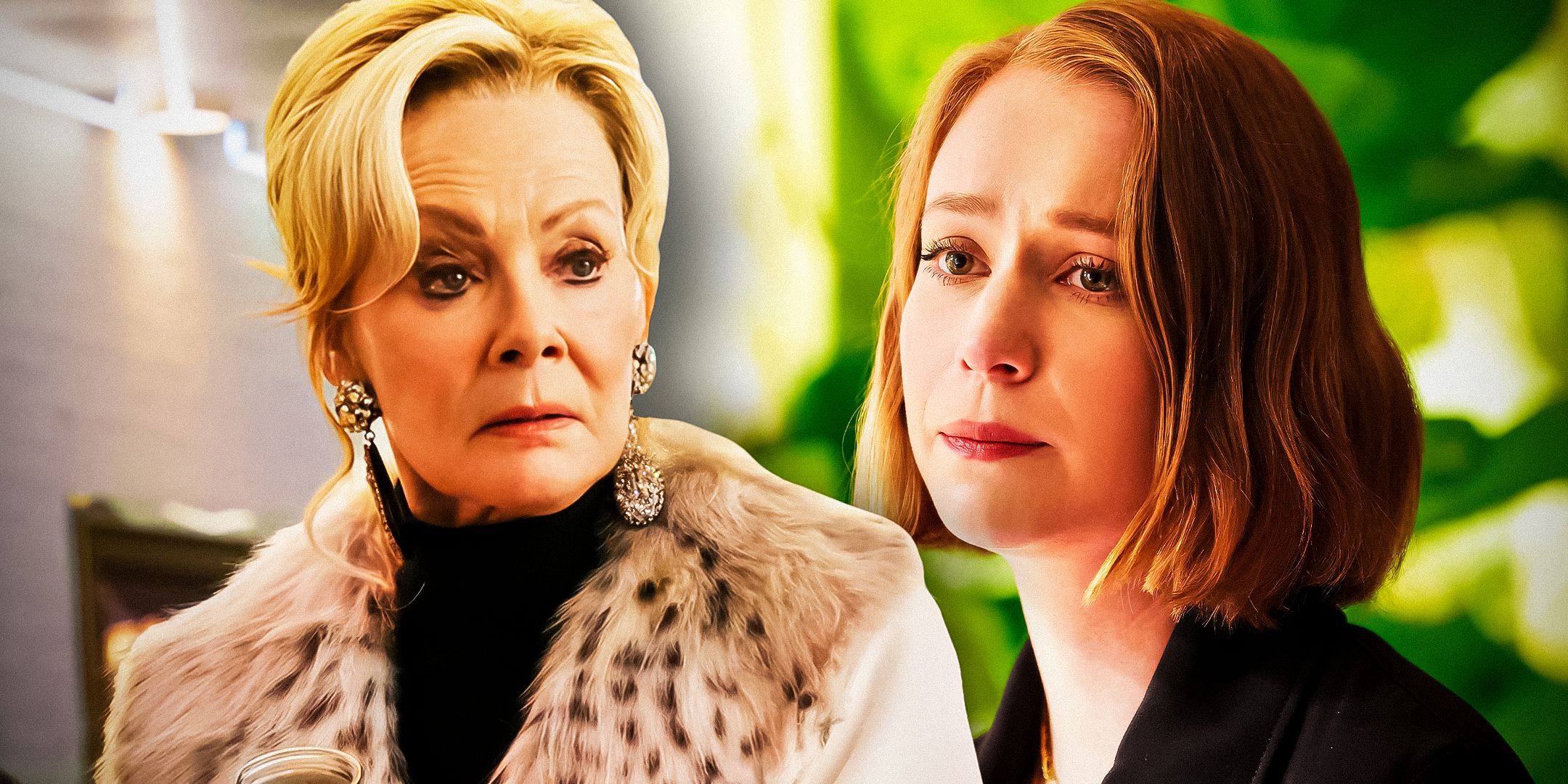
Deborah’s decision to pursue assisted suicide in Zurich, while shocking to the audience, was presented as an extension of her desire to maintain control over her legacy. The subsequent negotiations between the two women, marked by the dark humor that has defined their partnership, underscored their unique bond. As Deborah famously notes in the final moments, the ability to find a “better joke” even in the face of death is the ultimate expression of her commitment to her art.
Deborah and Ava at the Louvre —Courtesy of HBO Max
A Bittersweet Sendoff
What makes the Hacks finale particularly effective is its refusal to provide straightforward answers. The protagonists remain defined by their flaws; they have not found perfect romantic partners or achieved total reconciliation with their estranged families. Instead, the show leaves the audience with the understanding that their work will always be the “third presence” in their relationship. The final scene, set against a replica of the Eiffel Tower in Las Vegas, serves as a testament to their enduring, if unconventional, connection.
The Eiffel Tower, Vegas-style —Courtesy of HBO Max
As the series concludes, it leaves behind a legacy of its own—one that challenged viewers to consider the value of the stories we tell and the people we choose to tell them with. The finale stands as a significant moment in contemporary television, marking the end of a project that, at its heart, was always about the hard, human work of creating something that lasts.
While the series has now concluded, fans and critics continue to discuss the narrative impact of its final episodes. For those interested in the broader landscape of television comedy and the creative processes behind such finales, ongoing industry analysis and retrospectives are expected to be available through major entertainment reporting outlets. We invite our readers to share their thoughts on the conclusion of Deborah and Ava’s journey in the comments section below.
Worth a look
- Trump Administration Urges US Colleges to Pledge Education Reforms by 2026
- Ariana Grande Breaks Silence on Public Hiatus and West End Exit
- House of the Dragon Season 3: Episode 7 Review and Finale Teasers (world-today-news.com)
- House of the Dragon Season 3: Episode 7 Review and Finale Teasers (news-usa.today)