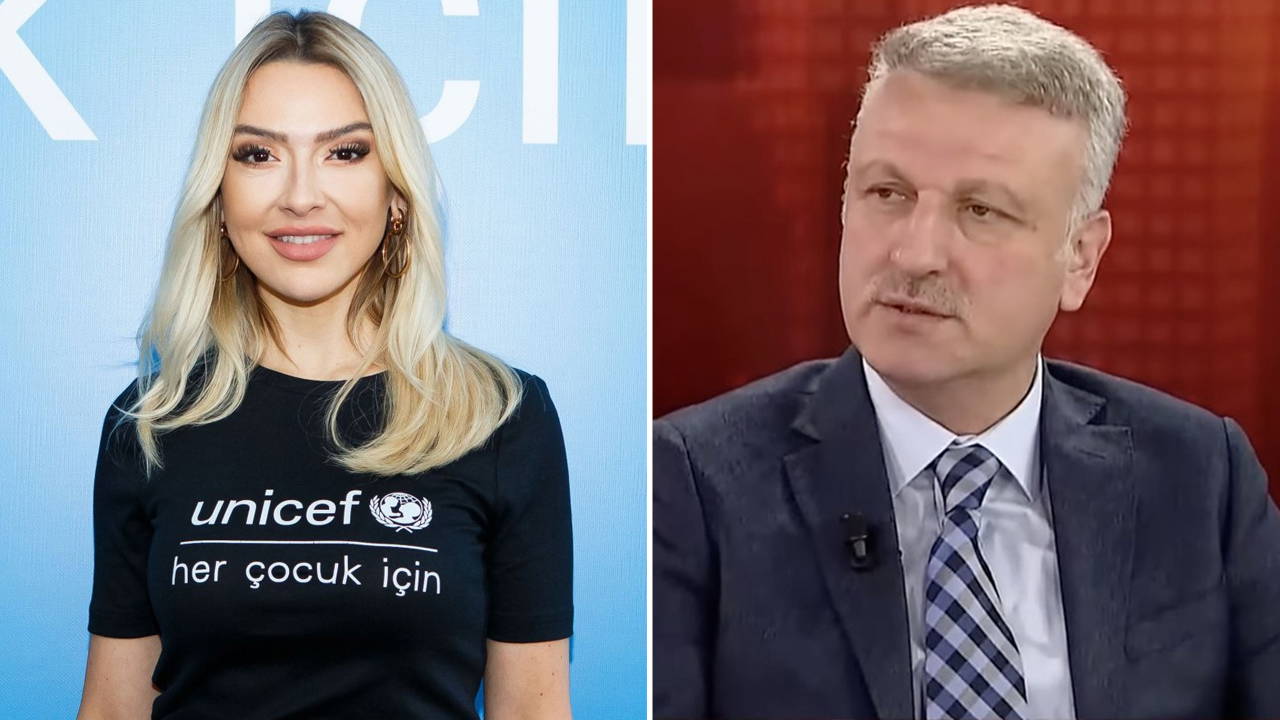
Controversy Erupts Over Hadise’s UNICEF Ramadan Appeal and Accusations of Undermining Turkey’s Image
A Ramadan-themed fundraising video featuring Turkish singer Hadise, created in partnership with UNICEF, has ignited a public debate in Turkey, drawing criticism from government officials and sparking a wider discussion about national pride and humanitarian aid. The controversy centers on a statement within the video that mentions Turkey alongside countries facing significant humanitarian challenges, a point that has been strongly contested by Cumhurbaşkanı Başdanışmanı (Presidential Advisor) Oktay Saral and others. The incident highlights the sensitivities surrounding perceptions of Turkey’s role on the global stage and the complexities of international charitable work. The core of the dispute revolves around whether the video’s wording inadvertently portrayed Turkey as a nation in need of assistance, a claim Hadise has vehemently denied, stating she was simply relaying a script provided by UNICEF.
The video, intended to encourage donations to UNICEF to support children in need during Ramadan, features Hadise stating, “Ramazan paylaşma ve dayanışma ayıdır. UNICEF en zor durumdaki çocukların her zaman yanında. Çünkü hiçbir çocuk aç kalmamalı. Türkiye’den Gazze’ye, Sudan’dan Afrika’ya, çocuklar iftar sofrasında umuda ihtiyaç duyuyor. Bir çocuğun hayatında gerçek bir fark yaratmak için, Ramazan bağışlarınızı UNICEF’e yapabilirsiniz.” (Ramazan is a month of sharing and solidarity. UNICEF is always there for the most vulnerable children. Because no child should go hungry. From Turkey to Gaza, from Sudan to Africa, children need hope at the iftar table. You can develop a real difference in a child’s life by donating to UNICEF this Ramadan.) This phrasing prompted a swift and critical response from Saral, who accused Hadise of presenting Turkey as being on par with countries experiencing acute crises.
Saral’s Criticism and Hadise’s Response
Oktay Saral, a prominent figure within the ruling AKP (Justice and Development Party), took to social media to express his disapproval, stating, “Hadise’nin UNICEF için hazırladığı videoda Türkiye’yi Gazze ve Sudan ile aynı cümlede ‘yardıma muhtaç’ ülkeler arasında göstermesi kabul edilemez bir tutumdur.” (We see unacceptable that Hadise, in the video she prepared for UNICEF, presents Turkey in the same sentence as Gaza and Sudan as a ‘country in need of aid.’) He further argued that such a statement demonstrated “serious imprudence” rather than genuine global awareness. Birgün reports that Saral’s criticism quickly gained traction, with other AKP members and social media users joining in the condemnation.
Hadise responded to the backlash with a statement of her own, explaining that she had been provided with a script by UNICEF and was simply acting as a voice for their message. She emphasized her commitment to children’s welfare and her long-standing collaboration with UNICEF, noting her designation as a UNICEF Children’s Rights Advocate for Turkey since 2022. “İçinde bulunduğumuz mübarek Ramazan ayı için UNICEF tarafından bana bir metin iletildi ve bir video çekmem istendi,” (A text was sent to me by UNICEF and I was asked to shoot a video for the blessed month of Ramadan we are in) Hadise stated, adding that the video’s core message was “Ramazan’da iyiliği birlikte büyütelim.” (Let’s grow goodness together in Ramadan). She underscored her dedication to Turkey, stating, “Ben bu vatana aşık bir kadınım. Türkiye’nin gerçeklerini bilen, bu gerçekleri görmezden gelmeyen ama her zaman çözümün bir parçası olmak isteyen bir kadınım.” (I am a woman in love with this country. I am a woman who knows the realities of Turkey, does not ignore these realities, but always wants to be part of the solution.)
Hadise’s History with UNICEF and Humanitarian Work
Hadise’s involvement with UNICEF extends beyond this single video. As a UNICEF Children’s Rights Advocate, she has actively participated in various initiatives aimed at improving the lives of children and young people in Turkey. Nefes reports that Hadise visited earthquake-affected regions in Turkey following the devastating 2023 earthquakes, spending time with children and witnessing firsthand the challenges they faced. She also actively supported educational programs and aid efforts in the aftermath of the disaster. This history of engagement appears to be central to her defense, as she emphasized her consistent commitment to helping children both within Turkey and internationally.
Hadise further highlighted her previous advocacy work, referencing her support for refugee children in 2019 and her fundraising efforts during the earthquake response. She asserted that Turkey is a strong nation that consistently provides aid to those in need around the world, stating, “Türkiye güçlü bir ülke. Devletiyle, milletiyle her zaman vatandaşının yanında olan bir ülke. Ülkemiz, dünyanın her yerine yardımlar götüren, ihtiyaç duyulduğu an herkesin yanında olan bir ülke.” (Turkey is a strong country. A country that is always with its citizens with its state and nation. Our country is a country that takes aid to every corner of the world and is always there when needed.) She also acknowledged the vital role played by organizations like the Turkish Red Crescent (Kızılay), UNICEF, and the IHH Humanitarian Relief Foundation in providing assistance to vulnerable populations.
The Broader Context: Turkey’s Humanitarian Role and Public Sentiment
The controversy surrounding Hadise’s video touches upon a broader narrative regarding Turkey’s self-perception as a global humanitarian actor. Turkey has consistently positioned itself as a provider of aid and assistance, particularly in regions experiencing conflict or natural disasters. The country has been a major donor to humanitarian causes in Syria, Gaza, and other crisis zones. However, the suggestion that Turkey might be included in a list of countries *requiring* assistance appears to have struck a nerve, particularly within nationalist circles. This sensitivity is likely rooted in a desire to maintain a strong and independent image on the international stage.
The incident also reflects the increasingly polarized political climate in Turkey. Criticism of public figures, particularly those perceived as being critical of the government, is common on social media. The swift condemnation of Hadise by Oktay Saral and others underscores the sensitivity surrounding issues of national identity and the potential for political repercussions for those who are perceived to challenge the prevailing narrative. The debate also highlights the importance of carefully considering the language used in humanitarian appeals and the potential for misinterpretation, even when intentions are positive.
Looking Ahead: UNICEF’s Response and Potential Implications
As of February 23, 2026, UNICEF has not issued a formal statement addressing the specific criticisms leveled against Hadise’s video. However, the organization is likely to be closely monitoring the situation and assessing the potential impact on its fundraising efforts in Turkey. The incident could prompt a review of the scripts used in future campaigns to ensure they are culturally sensitive and avoid unintended interpretations. It remains to be seen whether the controversy will have a lasting impact on Hadise’s relationship with UNICEF or her public image in Turkey.
The debate also raises questions about the role of celebrities in humanitarian advocacy and the potential risks associated with aligning oneself with controversial causes. While celebrity endorsements can be effective in raising awareness and generating donations, they can also expose individuals to political backlash and public scrutiny. The incident serves as a reminder of the importance of careful consideration and due diligence when engaging in public advocacy, particularly in politically sensitive contexts.
The next development to watch will be any official statement from UNICEF regarding the script used in the video and its response to the criticism. Readers interested in supporting UNICEF’s work can discover more information and donate directly through their official website: https://www.unicef.org/. We encourage readers to share their thoughts on this developing story in the comments below.
- 16-Year-Old Max Muranen’s Moped Chase in Lahti: Police Pursuit and Legal Consequences
- Czech Republic to Revive National Anti-Drought Coalition and Build 20 New Reservoirs
- Galway Gaffe: Irish Rail Embarrassed Over Gaelic Signage Mistake at Galway Station – Explained” Key phrases: – Irish Rail mistakes – Gaelic signage error – Galway station controversy – Irish Rail gaffe (archyworldys.com)