Beyond the Wall: What Parasites Reveal About life for Roman Soldiers
For centuries, the image of the Roman soldier has been one of disciplined strength, enduring hardship in the name of empire. But a new understanding of their daily lives is emerging, one painted not with glory, but with the grim realities of persistent illness. Recent research published in Parasitology suggests that alongside the “lice in my tunic and a cold in my nose” lamented in historical accounts, Roman soldiers stationed along Hadrian’s Wall likely battled chronic nausea and frequent bouts of diarrhea – all thanks to intestinal parasites.
This isn’t simply speculation.Archaeologists are increasingly turning to the microscopic world of ancient feces to unlock details about the health and habits of past populations. You might be surprised to learn just how much can be gleaned from these unassuming remains.
A Growing Field of Archaeological Insight
Previously, analyses of ancient fecal matter have revealed fascinating insights into the lives of people across history.
* In 2022, a study of soil samples from a 7th-century BCE stone toilet near Jerusalem identified parasitic eggs from whipworm, beef/pork tapeworm, roundworm, and pinworm – even providing the earliest known record of roundworm and pinworm in ancient Israel.
* Later that year, researchers confirmed the function of a 1,500-year-old Roman ceramic pot excavated in Sicily as a chamber pot, based on the presence of intestinal worm eggs.
* Comparisons of fecal parasites in hunter-gatherer and agricultural communities have also illuminated dramatic shifts in diet, settlement patterns, and social structures linked to the rise of farming.
vindolanda: A Window into roman Garrison Life
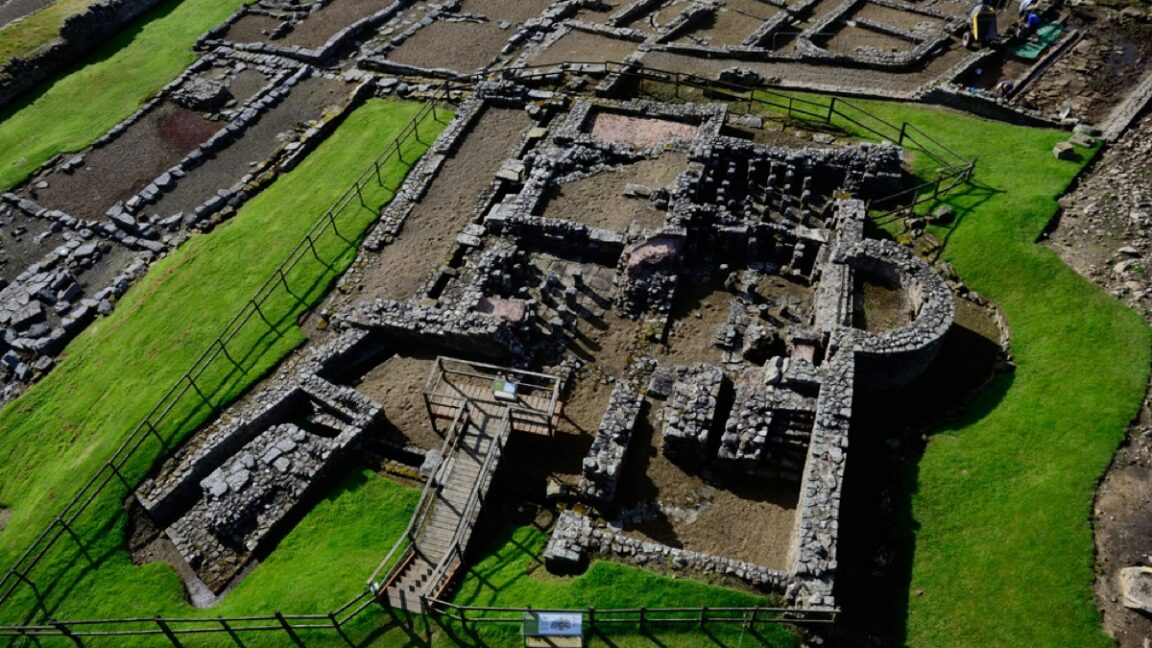
Now, this research has turned its attention to Vindolanda, a Roman fort situated just south of Hadrian’s Wall in modern-day England. This location offers a unique opportunity to understand the health challenges faced by soldiers defending the northern frontier of the Roman Empire.
Vindolanda’s history is well-documented. William Camden first noted the ruins in 1586, and subsequent discoveries - including a military bathhouse (1702), altars (1715 & 1914) – confirmed the site’s significance. Serious archaeological work began in the 1930s, unearthing a wealth of artifacts.
Perhaps most famously, Vindolanda is known for the vindolanda tablets, the oldest surviving handwritten documents in the UK. More recently,the 2023 revelation of a phallus-shaped object sparked debate – was it an ancient Roman dildo,or a drop spindle for spinning yarn?
What the Sediment Reveals
However,the latest research focuses on a different kind of discovery: sediment collected from the fort’s sewer drains. Analyzing this material,scientists identified the eggs of intestinal parasitic worms. This provides compelling evidence of widespread parasitic infection among the Roman garrison stationed at Vindolanda.
What does this mean for you, the history enthusiast? It means the romanticized image of the stoic Roman soldier needs a revision. These men weren’t just battling enemies and the elements; they were constantly fighting off internal parasites.
Implications for Understanding Roman Health
This discovery underscores the harsh realities of life in the Roman Empire, even for those serving in a relatively well-supplied garrison. Consider these points:
* Poor Sanitation: The prevalence of parasites points to inadequate sanitation and hygiene practices.
* Dietary Factors: Dietary habits likely contributed to the spread of infection, particularly if food and water sources were contaminated.
* Compromised Immune Systems: Chronic parasitic infections would have weakened soldiers’ immune systems, making them more susceptible to other illnesses.
Ultimately, this research reminds us that history isn’t just about grand battles and political maneuvering. It’s about the everyday lives – and everyday struggles – of the people who lived it. By examining the microscopic evidence left behind,we can gain a more complete and nuanced understanding of the past,and appreciate the resilience of those who came before us.
Keep reading