Custody Death Raises Questions About Medical Care for ICE Detainees
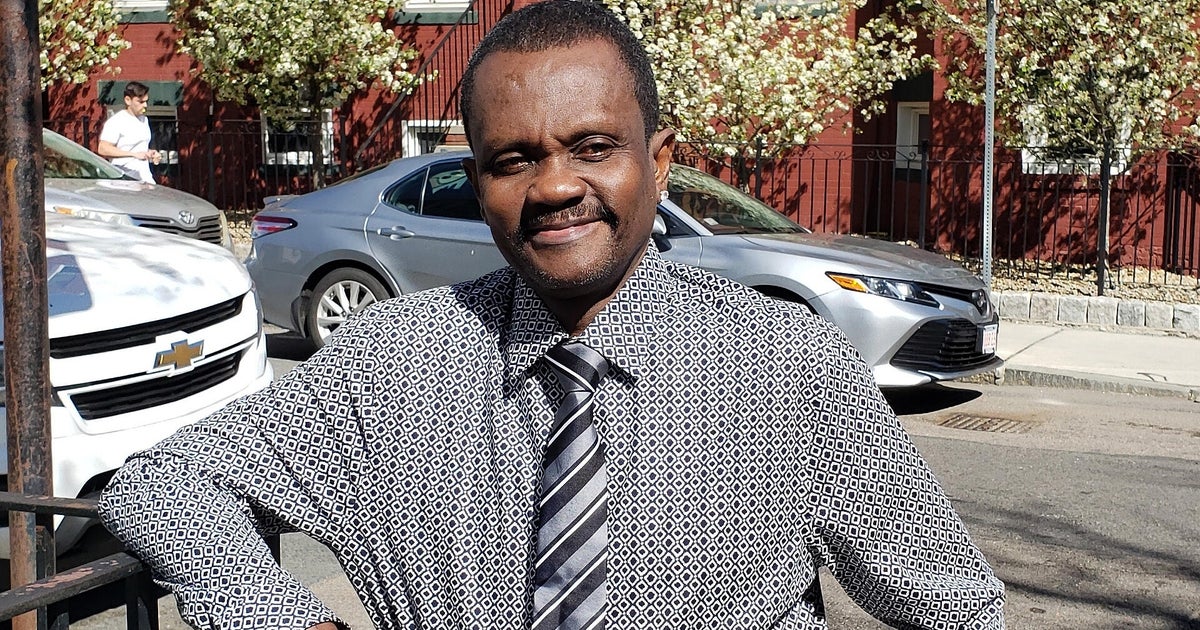
The death of Emmanuel Damas, a 56-year-old Haitian man, while in the custody of U.S. Immigration and Customs Enforcement (ICE) has sparked outrage and calls for a thorough investigation. Damas died on March 2, 2026, at a hospital in Arizona after what his family alleges was a preventable decline stemming from an untreated toothache. The case underscores growing concerns about the quality of medical care provided to individuals held in ICE detention centers and has prompted demands for greater accountability from lawmakers.
Damas, a resident of Dorchester, Massachusetts, had been in ICE custody since September 2025 following an incident involving his son and local police. He was initially held in Boston before being transferred to the ICE detention center in Florence, Arizona, where he remained for approximately four months. His brother, Presnor Nelson, maintains that Damas was legally present in the United States and was not a criminal. The family’s grief is compounded by the belief that a simple medical issue spiraled into a fatal condition due to inadequate care.
A Deteriorating Condition
According to Nelson, Damas first complained of a toothache last month. The pain worsened, and he was eventually taken to a hospital on February 19, 2026. The following day, he was placed on life support in intensive care due to the development of pneumonia. On February 23, Nelson was informed by ICE that Damas had been returned to the Florence detention center, but received no further updates regarding his condition. Days later, the family learned Damas had been transferred to a different hospital and was scheduled for surgery on February 26, 2026. Upon arriving at the hospital, Nelson discovered his brother was in a coma and beyond recovery.
“This is the United States of America, the biggest country on Earth, where we do big things. To let someone pass because of a tooth infection, toothache? It’s sad,” Nelson stated, expressing his family’s anguish and disbelief. The family believes the lack of timely medical intervention directly contributed to Damas’s death.
Legislative Response and Calls for Accountability
The circumstances surrounding Damas’s death have prompted swift condemnation from Massachusetts lawmakers. On Thursday, March 5, 2026, Senators Elizabeth Warren and Ed Markey, along with Representative Ayanna Pressley, sent a letter to the heads of the Department of Homeland Security and ICE demanding a full accounting of the events leading to Damas’s death. The letter, publicly available on Representative Pressley’s website, explicitly cites concerns about ICE’s failure to provide adequate medical care.
The lawmakers argue that Damas’s death was “highly preventable” and raises serious questions about ICE’s capacity to provide appropriate medical treatment to those in its custody. They specifically point to allegations that an untreated toothache was allowed to escalate into a life-threatening infection. The letter emphasizes the necessitate for transparency and accountability in ICE’s medical protocols and oversight procedures.
A Pattern of Concerns
Representative Pressley has stated that Damas is at least the tenth person to die in ICE custody this year, highlighting a disturbing trend. This statistic underscores the broader debate surrounding the conditions within ICE detention facilities and the health and safety of detainees. Concerns have long been raised by advocacy groups and legal experts regarding the adequacy of medical care, access to specialized treatment, and the overall well-being of individuals held by ICE.
The case also brings into focus the broader issue of asylum seekers and the challenges they face navigating the U.S. Immigration system. Damas was seeking asylum in Massachusetts, a process that can be lengthy and complex. The details of his asylum claim and the circumstances surrounding his initial detention remain under investigation.
ICE Response and Ongoing Investigation
CBS News Boston contacted ICE for comment on the Damas case on Thursday afternoon. ICE spokesperson Tim Oberle responded via email, stating that the agency was “working on a release on this issue” and would provide it as soon as it was approved. As of Friday evening, March 6, 2026, the promised press release had not been issued.
The lack of an immediate response from ICE has fueled further criticism and demands for transparency. Advocates are calling for an independent investigation into Damas’s death, as well as a comprehensive review of medical practices within all ICE detention facilities. The focus is on ensuring that detainees receive timely and appropriate medical care, regardless of their immigration status.
The Broader Context of Detainee Health
The death of Emmanuel Damas is not an isolated incident. Reports and lawsuits have repeatedly documented inadequate medical care within ICE detention centers. These concerns range from delayed or denied medical appointments to insufficient staffing and a lack of access to specialized care. The potential for minor health issues to escalate into life-threatening conditions is a significant risk for detainees, particularly those with pre-existing medical conditions.
The debate over ICE’s medical standards often centers on the agency’s responsibility to provide a level of care equivalent to that available in the community. Critics argue that ICE frequently falls short of this standard, citing cost-cutting measures and a lack of oversight as contributing factors. The agency maintains that it is committed to providing adequate medical care, but acknowledges the challenges of managing the health needs of a large and diverse detainee population.
The case also raises questions about the role of private prison companies that operate many ICE detention facilities. These companies have faced scrutiny over their medical practices and their financial incentives to minimize healthcare costs. Advocates argue that the profit motive can compromise the quality of care provided to detainees.
As the investigation into Emmanuel Damas’s death continues, the focus will likely remain on the adequacy of medical care within ICE detention centers and the need for greater accountability. The family’s hope is that his death will serve as a catalyst for meaningful change, preventing similar tragedies from occurring in the future. The next step is awaiting the release of ICE’s statement and the findings of any independent investigations initiated by lawmakers or advocacy groups.
This is a developing story. We will continue to update this article as more information becomes available.
Do you have information about this story? Share your thoughts and insights in the comments below.
Worth a look