
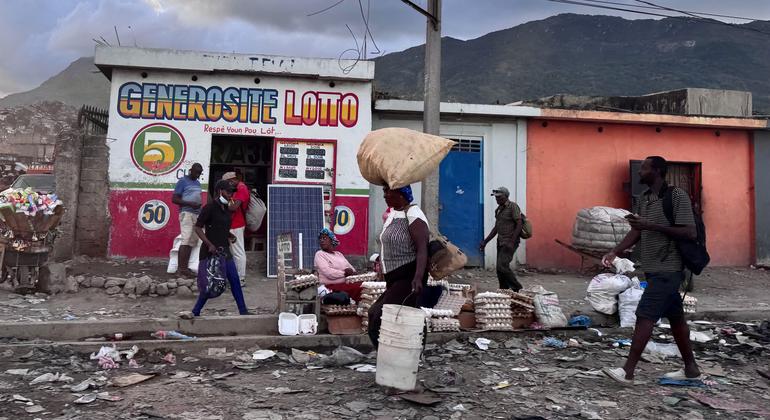
Haiti on the Brink: understanding the Escalating Crisis and What It Means for the Future
The recent overnight assault on September 11th is tragically just the latest symptom of a deeply rooted crisis engulfing Haiti. For over a year, the nation has been ravaged by escalating gang violence, pushing it to the precipice of complete state failure. But what’s really happening in Haiti,and why is the international response so slow? This article will delve into the complexities of the situation,providing a comprehensive overview of the humanitarian disaster,the political instability,and the urgent need for effective intervention. We’ll explore the factors contributing to the crisis,the current state of affairs,and what potential solutions might look like.
understanding the Roots of the Crisis
The current turmoil isn’t a sudden eruption. It’s the culmination of decades of political instability, economic hardship, and natural disasters. The assassination of President Jovenel Moïse in 2021 acted as a catalyst, creating a power vacuum that emboldened already powerful criminal gangs. These gangs now control significant portions of Port-au-Prince and surrounding areas,effectively holding the population hostage.
Did You Know? Haiti was the first free black republic in the world, declaring independence in 1804 after a accomplished slave revolt. This historical importance is often overshadowed by the current struggles.
But it’s not just about gangs. Systemic corruption,weak governance,and a lack of economic possibility have created a breeding ground for desperation and violence. The country’s vulnerability to natural disasters – earthquakes, hurricanes, and floods – further exacerbates the situation, consistently setting back progress efforts.
The Humanitarian Catastrophe Unfolding
The scale of the humanitarian crisis is staggering. According to the UN, approximately six million Haitians – nearly half the population – are in need of humanitarian assistance. A shocking 1.3 million people have been internally displaced, forced to flee their homes in search of safety.
Here’s a swift comparison of key figures:
| Indicator | Current Estimate (Sept 2025) |
|---|---|
| People in Need of Aid | 6 Million |
| internally displaced Persons | 1.3 Million |
| Funding Received (of $908M appeal) | Less than 10% |
| People Possibly Receiving No Assistance | 1.7 Million |
Pro Tip: To stay updated on the situation, regularly check the UN Office for the Coordination of Humanitarian Affairs (OCHA) website for the latest reports and appeals: https://www.unocha.org/haiti
The UN Secretary-general, António Guterres, recently described the situation as a “perfect storm of suffering,” highlighting the dire need for immediate action.Yet,shockingly,less than 10% of the $908 million humanitarian appeal has been funded. This underfunding means that 1.7 million people may receive no assistance at all. Is this a failure of the international community? What more can be done to mobilize resources?
The Role of the Multinational Security Support Mission
Recognizing the severity of the crisis, the UN Security Council authorized the deployment of a Multinational Security Support (MSS) mission to Haiti. This mission, led by Kenya, aims to assist the Haitian National Police in restoring order and combating gang violence. However,the deployment has been plagued by delays,primarily due to legal challenges and concerns about the mission’s mandate and effectiveness.
Did You Know? The MSS mission has faced significant hurdles, including a Kenyan High Court ruling that initially blocked the deployment, citing concerns about human rights and the lack of a reciprocal agreement with Haiti.
The UN is urging member States to expedite their support for the





