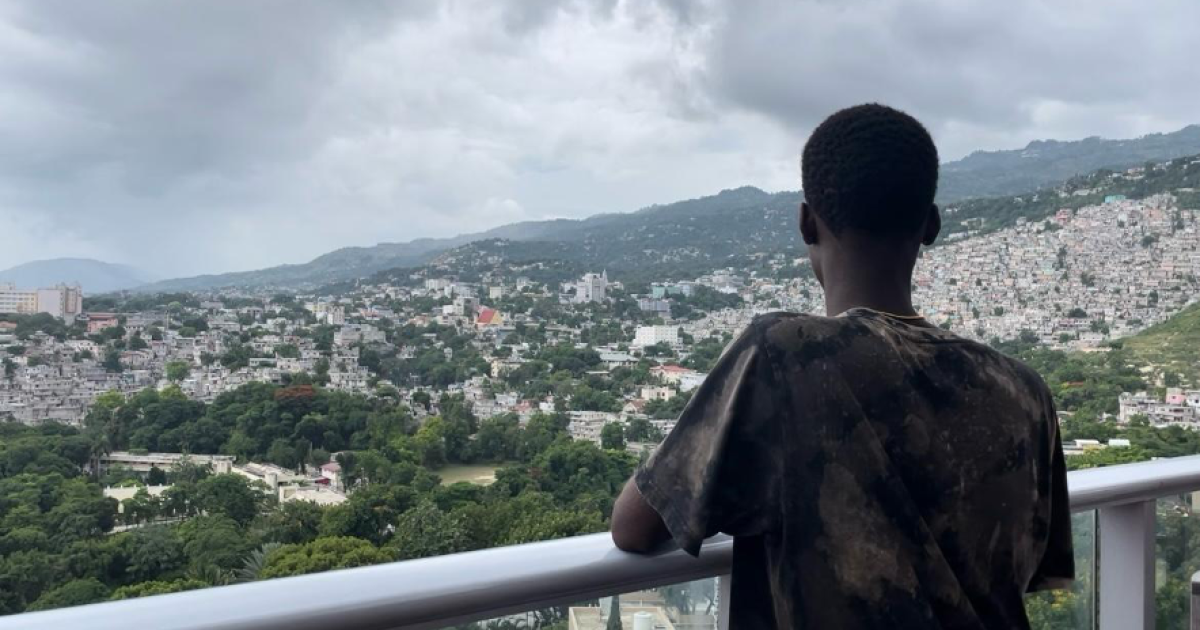
Port-au-Prince, Haiti – A deepening crisis in Haiti is fueling a horrific surge in the recruitment of children by criminal gangs, who exploit the country’s political instability, widespread poverty, and lack of state presence to trap vulnerable youth in cycles of violence and abuse. A new report from the Office of the UN High Commissioner for Human Rights and the UN Integrated Office in Haiti details the alarming trend, revealing how these groups are using coercion and false promises to draw children into criminal activity, sexual exploitation, and even sexual slavery. The situation is particularly dire in and around the capital, where an estimated 500,000 children live under the control of at least 26 different armed groups.
The escalating violence and breakdown of law and order in Haiti have created a breeding ground for these criminal organizations. With state institutions largely absent, gangs have filled the power vacuum, controlling territory, extorting communities, and engaging in widespread human rights abuses. This environment of impunity allows them to operate with little fear of accountability, making children particularly susceptible to recruitment. The UN report highlights how gangs exploit the desperation of families struggling with hunger and lack of opportunities, offering material incentives or simply preying on the vulnerability of orphaned or abandoned children. This exploitation of children is a critical component of the ongoing instability and represents a grave violation of human rights.
The Rising Tide of Child Recruitment
UNICEF recently reported that child recruitment in Haiti tripled in 2025, a staggering increase that underscores the severity of the crisis. Children now constitute an estimated 30 to 50 percent of gang membership, a deeply concerning statistic that points to the systematic targeting of youth. These children are not simply bystanders; they are actively involved in criminal operations, often placed in dangerous and traumatic situations. Boys are frequently used as lookouts, tasked with monitoring police movements and alerting gang members to potential threats. They are too forced to transport weapons and ammunition, collect extortion payments, and participate in kidnappings and armed conflicts. The report details how some boys are subjected to brutal initiation rites, including beatings and forced participation in killings and rapes, designed to sever their ties to family and community and ensure their loyalty to the gang.
Girls face equally horrific forms of exploitation. The UN report found that girls as young as 12 are subjected to sexual exploitation and sexual slavery, including being coerced into “relationships” with gang members. Even as many are forced into domestic servitude, others are used to gather intelligence, assist in criminal operations, and, in some cases, even wield weapons. The threat of violence extends not only to the children themselves but also to their families if they attempt to escape or resist the gangs’ demands. This creates a climate of fear and makes it incredibly tough for children to leave these abusive situations.
A Systemic Failure of Protection
The crisis is exacerbated by the failure of Haitian authorities to adequately protect children and provide them with the support they necessitate. Human Rights Watch has documented the consistent failure to prioritize children’s protection and rehabilitation, leaving them vulnerable to exploitation and abuse. Social protection programs remain woefully inadequate, reaching only a small fraction of vulnerable households. Schools, which should serve as safe havens for children, have been forced to close in many areas controlled by criminal groups, depriving children of education and a sense of normalcy. The lack of access to psychosocial care further compounds the trauma experienced by these children, hindering their ability to heal and reintegrate into society.
The situation is further complicated by the presence of an estimated 500,000 illegal weapons in Haiti, despite a UN arms embargo. The United Nations in Haiti has highlighted this issue, noting the difficulty in controlling the flow of arms and the devastating impact it has on the security situation. This proliferation of weapons empowers criminal groups and makes it even more challenging to protect civilians, including children. The UN launched a Humanitarian Response Plan in December 2025, aiming to assist 4.2 million people, but the scale of the crisis demands a more comprehensive and sustained response.
The Role of International Support
Addressing the crisis requires a multifaceted approach that includes strengthening Haitian institutions, providing increased humanitarian assistance, and addressing the root causes of instability. The UN report emphasizes the need for Haitian transitional authorities to prioritize social protection programs for vulnerable families, ensuring access to basic necessities and opportunities. Reopening schools and providing safe learning environments is also crucial, as is expanding access to psychosocial care for children who have experienced trauma. Developing community-based reintegration programs is essential to facilitate children leave criminal groups and rebuild their lives.
However, these efforts will require significant international support. The UN Humanitarian Air Service (UNHAS) urgently requires $3.9 million to maintain operations in Haiti, facilitating the delivery of aid and personnel to affected areas. UN News reports that Haiti is entering 2026 facing one of the most complex crises in its recent history, and sustained international engagement is vital to prevent further deterioration. This includes providing financial assistance, technical expertise, and political support to help Haiti restore trust in state institutions and break the cycle of violence and abuse.
What Happens Next?
The situation in Haiti remains incredibly fragile. The country is scheduled to hold presidential and legislative elections in the coming months, but the political landscape is deeply divided and the security situation is precarious. The success of these elections will be crucial in establishing a legitimate and effective government capable of addressing the country’s challenges. The UN Integrated Office in Haiti continues to monitor the situation and provide support to the Haitian government, but the ultimate responsibility for resolving the crisis lies with the Haitian people themselves.
The plight of children caught in the crossfire of Haiti’s crisis demands urgent attention. Without immediate action to help them escape criminal groups and reintegrate into communities safely, these children risk being permanently scarred by violence and exploitation. The international community must step up its efforts to provide Haiti with the resources and support it needs to protect its most vulnerable citizens and build a more stable and prosperous future. The next major update on the humanitarian situation in Haiti is expected from the UN Office for the Coordination of Humanitarian Affairs (OCHA) in March 2026.
What are your thoughts on the situation in Haiti? Share your comments below and help spread awareness about this critical issue.