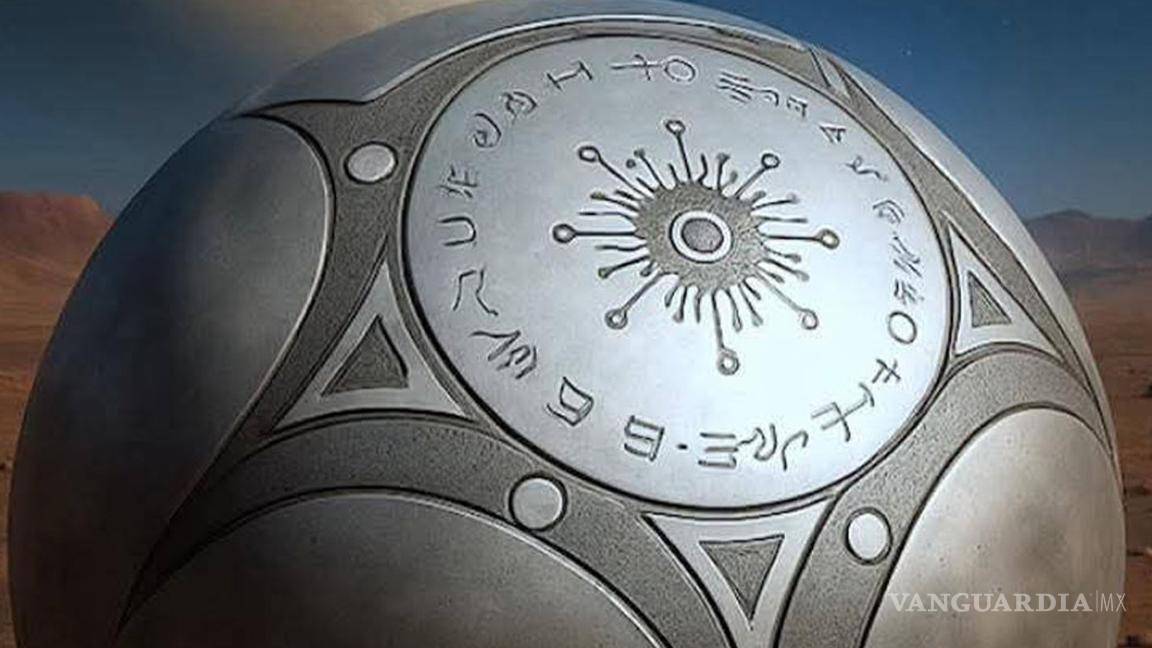
Residents and authorities in regional Australia have periodically encountered mysterious, large metallic objects appearing in rural landscapes, sparking public curiosity and official investigations into space debris. These findings, often characterized by their spherical or cylindrical shapes, are typically identified by space agencies as components from discarded launch vehicles, rather than phenomena of unknown origin.
In recent years, the Australian Space Agency has confirmed that several metallic items recovered from remote paddocks were remnants of international aerospace missions. When such objects are discovered, the agency coordinates with local law enforcement and international partners to determine the origin of the hardware and ensure public safety.
Official Identification of Space Debris
The Australian Space Agency maintains a formal process for investigating potential space debris. According to the agency’s official guidance, members of the public who discover suspected space hardware should not handle the items, as they may contain hazardous materials or pose structural risks. Instead, they are instructed to contact local authorities or the agency directly via their official reporting channels.

This protocol was notably utilized in July 2022, when local farmers in the New South Wales Snowy Mountains region discovered charred, metallic debris. Subsequent analysis by the Australian Space Agency confirmed that the items were pieces of a SpaceX Dragon spacecraft trunk that had re-entered the atmosphere. The agency worked in conjunction with the United States to verify the origin of the components, reinforcing the necessity of international cooperation in tracking orbital waste.
The Science of Atmospheric Re-entry
The appearance of metallic spheres or cylinders in remote areas is a known consequence of orbital decay. When spacecraft or rocket stages return to Earth, they are subjected to extreme heat and aerodynamic pressure. While most debris burns up completely during re-entry, heavier or more heat-resistant components—such as composite overwrapped pressure vessels (COPVs)—can survive the descent to the surface.
The Australian government has previously noted that the likelihood of such debris causing injury or property damage is statistically low, given the vast, sparsely populated nature of the Australian continent. However, the Department of Industry, Science and Resources emphasizes that all found debris is treated as a matter of national interest to ensure compliance with the United Nations Convention on International Liability for Damage Caused by Space Objects.
Public Response and Community Impact
The discovery of these objects often triggers intense local interest and social media activity. Because these items frequently appear in isolated areas, they are occasionally misidentified by the public before official analysis is completed. The Australian Space Agency regularly updates its digital information portal to provide clarity on confirmed events, helping to distinguish between verified aerospace hardware and unrelated metallic scrap.
For residents who find unusual metallic objects, the standard advice remains consistent: document the location, photograph the object from a distance, and refrain from touching it. The agency continues to monitor the increase in global orbital traffic, which has led to a higher frequency of debris-related reports worldwide.
As space exploration continues to expand, the frequency of re-entry events is expected to rise. The Australian Space Agency has committed to providing ongoing updates regarding any new debris recovery operations through its public communications office. Readers are encouraged to monitor official government announcements for the latest safety advisories regarding space debris.