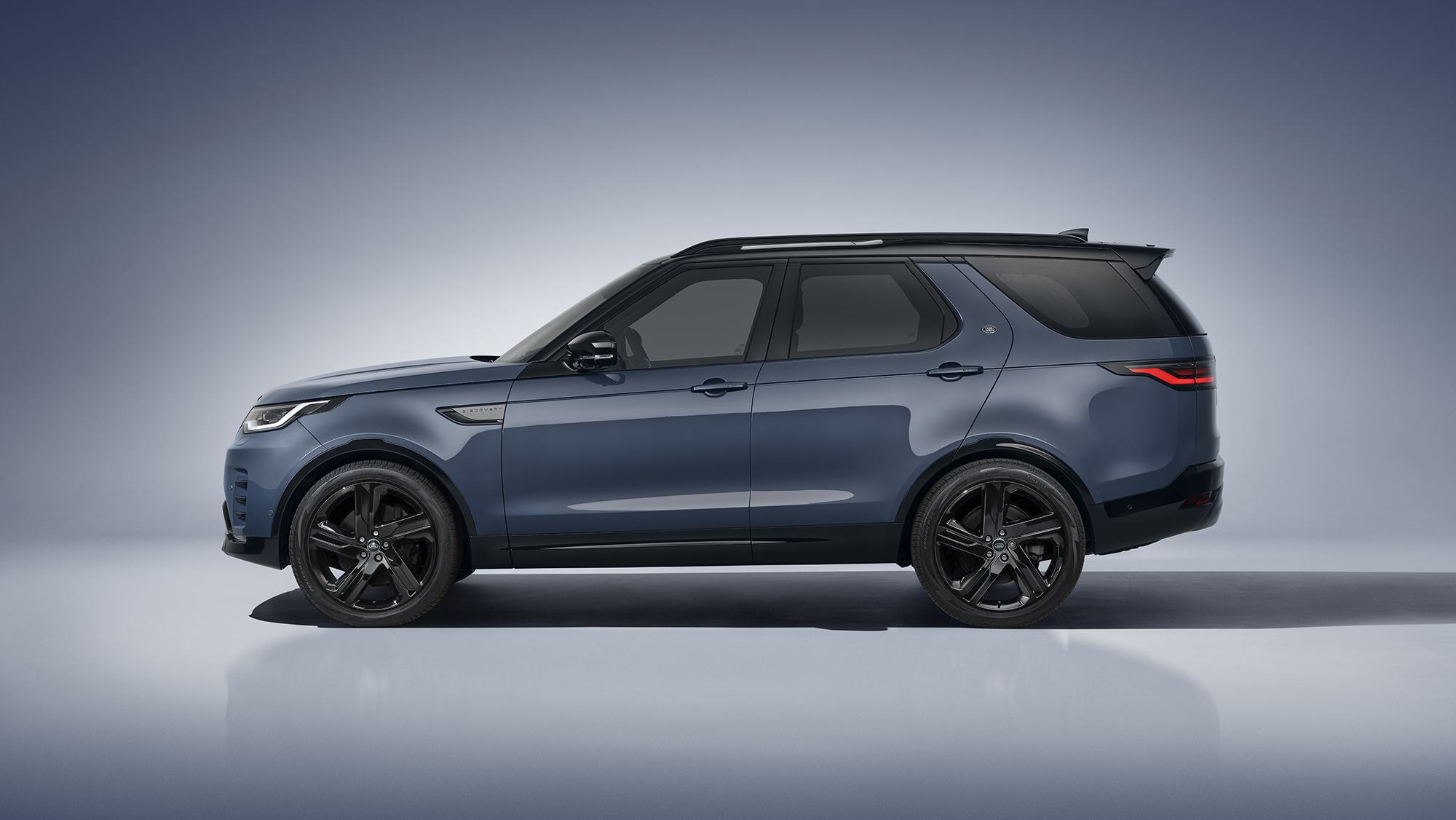
Land Rover is preparing to phase out the Discovery nameplate as the brand pivots toward a streamlined product strategy that elevates the Defender as its primary icon for off-road capability and luxury. Industry reports indicate that the manufacturer, JLR (formerly Jaguar Land Rover), is consolidating its portfolio to focus on high-margin, prestige-focused models, leaving little room for the traditional mid-range positioning of the Discovery.
The transition marks a significant shift in the company’s “Reimagine” strategy, which aims to transform the brand into a “house of brands” including Range Rover, Defender, Discovery, and Jaguar. While Discovery remains one of these pillars on paper, current market performance and internal production shifts suggest the Defender has effectively cannibalized the Discovery’s market share, rendering the latter increasingly redundant in the modern luxury SUV lineup.
The Strategic Shift Toward the Defender
Since the revival of the Defender in 2020, JLR has seen a transformation in its sales dynamics. The modern Defender, available in 90, 110, and 130 configurations, has successfully occupied the space once held by the Discovery, offering a blend of rugged heritage and modern technology that resonates more strongly with contemporary luxury buyers. According to JLR’s latest full-year financial results, the company’s focus on “value over volume” has favored the higher price points associated with the Defender and Range Rover families.
The Discovery, meanwhile, has struggled to find a distinct identity between the utilitarian Defender and the ultra-luxury Range Rover. Analysts note that the model’s design evolution—moving away from the boxy, traditional aesthetic of the Discovery 4 toward the more aerodynamic, crossover-inspired lines of the current fifth generation—alienated a segment of the brand’s loyal off-road customer base. By contrast, the Defender leans into its heritage, utilizing the brand’s platform architecture to command higher profit margins, a key metric in JLR’s Reimagine strategy.
Market Dynamics and Product Cannibalization
The “cannibalization” effect is a common outcome when two products within the same brand compete for the same customer profile. As the Defender expanded its range, it effectively absorbed the Discovery’s target demographic: families who desire an SUV with genuine off-road credentials. Because the Defender is perceived as a more “authentic” Land Rover, it has become the preferred choice for both lifestyle buyers and traditionalists.
Financial performance data highlights that JLR’s order books are heavily weighted toward the more expensive, higher-spec models. By rationalizing the platform strategy, the company is reducing complexity in its manufacturing facilities, such as the plant in Solihull, United Kingdom. Streamlining the product mix allows for greater efficiency, which is essential as the firm transitions toward an electrified future. The company has publicly confirmed its commitment to an all-electric lineup for the Jaguar brand by 2025, with Land Rover models following a similar, albeit slower, electrification trajectory.
What Happens Next for the Discovery Line
While the company has not issued a formal “end-of-life” date for the current Discovery, industry observers expect the model to be phased out by the end of its current lifecycle. The focus for the brand’s engineering and marketing teams is increasingly concentrated on the Defender’s continued expansion, including potential luxury variants and further electrification of the powertrain.

For current owners and prospective buyers, the Discovery remains a part of the lineup for the immediate future. However, the lack of new platform investment suggests that the model will not see a full-scale redesign in the way the Range Rover or Defender have. The company is expected to provide further updates on its product roadmap during its quarterly investor briefings, which serve as the primary venue for announcements regarding model discontinuation or future releases. Investors and consumers can monitor the JLR Investor Relations portal for the most accurate, official updates on manufacturing and product strategy.
As the brand continues its evolution, the legacy of the Discovery—a vehicle that defined family-oriented off-roading for decades—will likely be preserved through the secondary market, while the Defender assumes the mantle of the brand’s global flagship for capability.
What are your thoughts on the evolution of the Land Rover lineup? Share your perspective in the comments below.