
Gaza’s Fragile Peace: Beyond the Ceasefire, a Struggle for Control
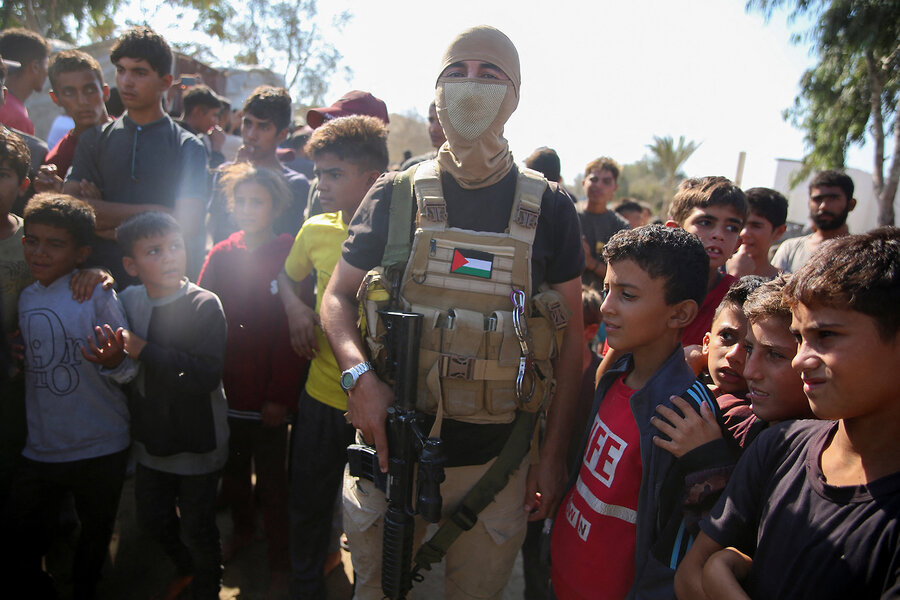
A haunting scene unfolds in Gaza City: rubble-strewn streets and the skeletal remains of buildings bear witness to recent conflict. However, the cessation of major hostilities hasn’t brought the security gazans desperately crave. Rather, a complex web of internal power struggles, fueled by desperation and external interference, is threatening to unravel the fragile peace.
The Aftermath of Conflict: A Breakdown in Order
Following the recent ceasefire, a disturbing trend emerged - widespread looting and a surge in gang activity. Residents like Mr. al-Abadlah experienced a double blow. ”My own house was stripped – water generator, solar panels, doors, clothes, kitchenware – everything gone,” he recounts, highlighting a pain distinct from the direct impact of Israeli strikes. This was harm inflicted from within.
The situation is further intricate by allegations of external involvement. Reports indicate that arms, aid, and even drone intelligence were provided by the Israeli government to certain Gazan gangs. The stated aim was to weaken Hamas and expedite the end of the war. “What’s wrong with that? It’s a good thing,” a government official stated publicly earlier this year.
The Rise of Armed Groups and Exploitation
Among those reportedly backed by Israel was the Abu Shabab militia. This group quickly gained notoriety for brazenly looting aid trucks intended for a population facing famine. They then resold these essential supplies to starving Palestinians at exorbitant prices, exacerbating the humanitarian crisis.
Sence the ceasefire, Hamas hasn’t directly confronted Abu Shabab, a move some interpret as an acknowledgement of the group’s growing strength. Instead,their focus has shifted to dismantling groups linked to the Doghmush and Mujaidas families – two powerful clans in central Gaza.
Escalating Violence: A Return to Street Battles
Recent clashes have been particularly brutal. On Monday, a fierce shootout erupted between Hamas soldiers and Doghmush members within the Jordanian hospital in Gaza City’s Sabra neighborhood. At least 25 Doghmush fighters and six Hamas members were killed, alongside journalist Saleh al-jafarawi, who was reporting on the conflict.
The violence didn’t end there. Later that evening,Hamas fighters reportedly led eight blindfolded men – believed to be Doghmush members – to a busy street.They were executed and left in the dirt, a horrifying scene captured by onlookers on their phones.
A Community Gripped by fear and Uncertainty
The public reaction to these executions has been one of heartbreak and fear. “The [Hamas] police presence is reassuring, but we don’t want to see executions in the streets,” says Manar Abu Arqoub, a former school principal and father of eleven.
however, many believe addressing the root causes of the instability is paramount. “Safety today is relative,” Abu Arqoub emphasizes. “If sufficient aid reached 2 million people, crime rates would decrease.” You can understand how desperation fuels these actions.
The Path Forward: Aid, Withdrawal, and True Security
For many Gazans, lasting security remains elusive. Journalist Safinaz Al-Louh believes true peace won’t be achieved untill Israeli forces fully withdraw from the territory. “There is no real security provided that the occupation forces are present,” she asserts.
Ultimately, the future of Gaza hinges on a multifaceted approach:
* Increased Humanitarian aid: Addressing the immediate needs of the population is crucial to reducing desperation and crime.
* Accountability and Justice: Addressing the actions of all armed groups, including those allegedly backed by external actors, is essential for restoring trust.
* Political Resolution: A lasting solution requires addressing the underlying political issues and achieving a thorough peace agreement.
* Complete Withdrawal: many Gazans believe a full withdrawal of Israeli forces is a prerequisite for genuine security.
The current situation underscores a critical reality: a ceasefire alone isn’t enough. You deserve a future free from violence and instability, and achieving that requires a commitment to addressing the complex challenges facing Gaza today.


![NHL Power Rankings: Avalanche Lead, Top Teams Analyzed [Date]](https://i0.wp.com/sportshub.cbsistatic.com/i/r/2025/11/21/23af8973-5fe1-434e-be9f-a868206c360c/thumbnail/1200x675/da5e9062502b7d5cc45567af3a95959b/avalanche.jpg?resize=150%2C100&ssl=1 "NHL Power Rankings: Avalanche Lead, Top Teams Analyzed [Date]")
