sudan Crisis Deepens: Humanitarian Access Severely Restricted, Refugee Flows Surge
The situation in Sudan continues to deteriorate rapidly, marked by severe restrictions on humanitarian access and a growing refugee crisis, particularly impacting vulnerable populations. As a seasoned observer of global humanitarian challenges, I want to provide you with a clear understanding of the current state of affairs and what it means for those affected.
(Image: A child is screened for malnutrition at a UNICEF-supported nutrition center in North Darfur, Sudan in december 2025. The red color signifies Severe Acute malnutrition (SAM).)
Access Remains a Critical Obstacle
Humanitarian access remains the most significant impediment to delivering life-saving aid.
On December 26th, a UN team finally conducted a security assessment within El Fasher after months of siege, spending valuable hours at the Saudi hospital and speaking directly with residents.
UN staff reported a dire lack of essential supplies and services, painting a grim picture of the conditions on the ground.
For months, food and medical aid convoys have been blocked from reaching El Fasher, forcing hundreds of thousands to flee and leaving those who remain facing extreme hardship. This situation demands immediate attention and a concerted effort to secure safe passage for aid.
Escalating Refugee Crisis in Chad
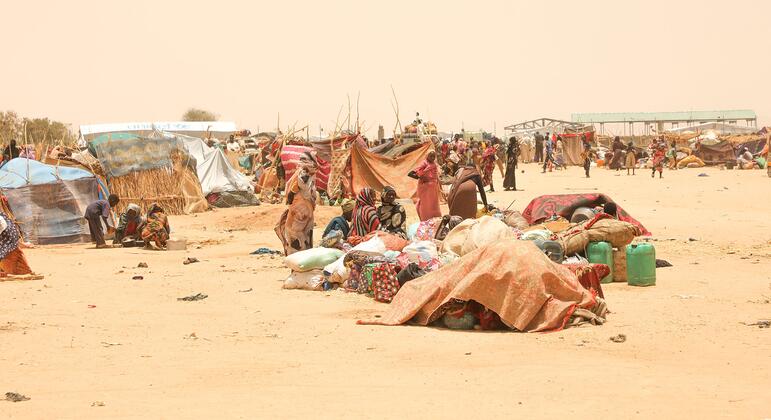
As conditions within sudan worsen, displacement into neighboring countries is accelerating at an alarming rate.
The Office of the UN High Commissioner for Refugees (UNHCR) recently reported nearly 19,400 Sudanese refugees have crossed into eastern Chad as fighting intensified around El Fasher in late October.
Women and children comprise a staggering 87% of thes new arrivals, many arriving tired and traumatized after experiencing violence, sexual abuse, and extortion.
Specifically, over 2,700 unaccompanied or separated children and more than 1,100 people with disabilities have been registered, highlighting the particularly acute vulnerabilities within this population.
Despite ongoing insecurity and movement restrictions, approximately 250 refugees are crossing into Chad daily. UNHCR warns that this influx is likely to continue as fighting, economic collapse, and protection risks escalate.
A recent security incident at the Tiné border crossing – involving a Sudanese army drone strike on a Chadian troop position – briefly halted humanitarian activities,underscoring the precarious habitat in wich aid workers are operating.
Here’s a breakdown of the key challenges:
* Limited Access: Blocking aid deliveries exacerbates suffering.
* Vulnerable Populations: Women,children,and those with disabilities are disproportionately affected.
* Growing refugee Numbers: Chad is facing increasing strain to accommodate new arrivals.
* Security Risks: Ongoing conflict and incidents threaten aid workers and refugees alike.
What You Need to Know & What’s Next
You should understand that the situation in Sudan is not simply a humanitarian crisis; it’s a complex emergency with far-reaching consequences.
Addressing this requires a multi-faceted approach, including:
- securing Unimpeded Humanitarian Access: Negotiating safe corridors for aid deliveries is paramount.
- Strengthening Refugee Support: Providing adequate resources to Chad and other host countries is crucial.
- Protecting Vulnerable Groups: Prioritizing the needs of women, children, and people with disabilities is essential.
- Advocating for a Peaceful Resolution: Supporting diplomatic efforts to end the conflict is vital.
As we move forward, continued monitoring, advocacy, and a commitment to providing life-saving assistance are essential. I will continue to provide updates as the situation evolves,offering insights and analysis to help you stay informed and engaged.
Resources:
* UNHCR Report on Sudanese Refugee Influx into Chad
Disclaimer: This analysis is based on currently available information and is subject to change as the situation develops.